Admit rate has ranged 34%–87% over the last 5 years — notably volatile. Source: IPEDS via Urban Institute.
Acceptance & SAT from Common Data Set / IPEDS; net price, earnings & graduation from the U.S. Dept. of Education College Scorecard. Figures lag ~1–2 years — verify with the school.
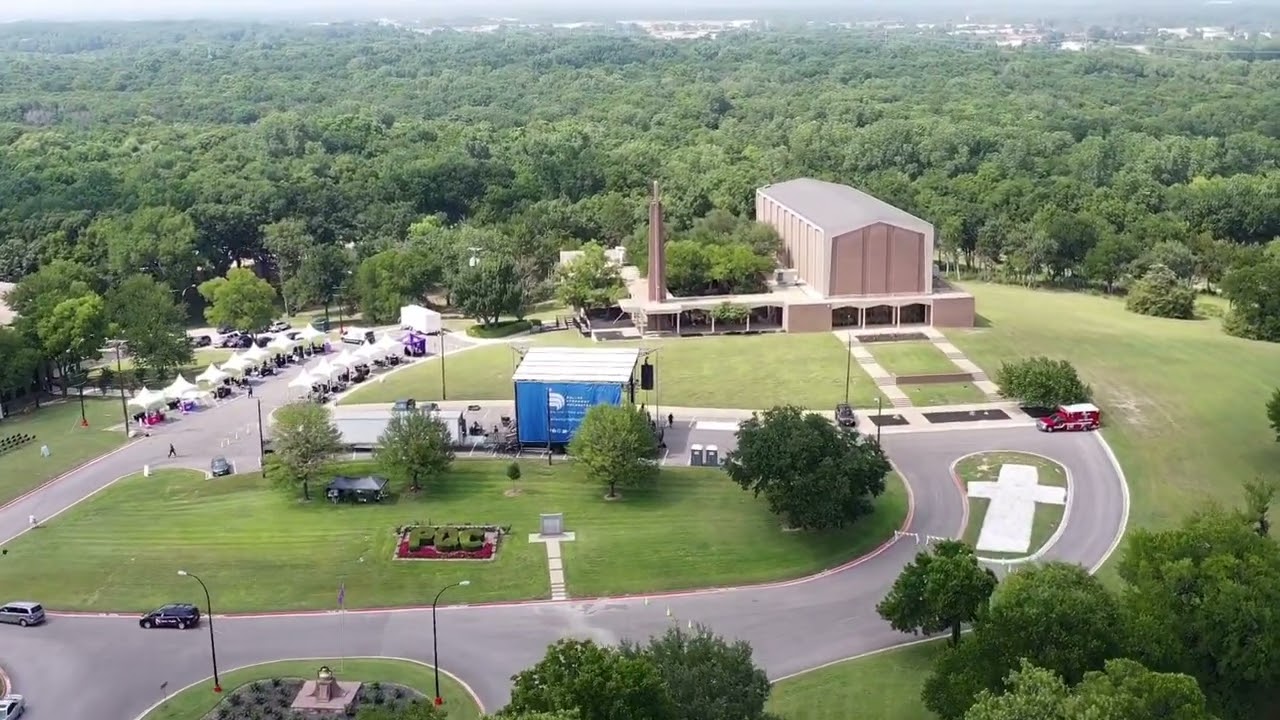
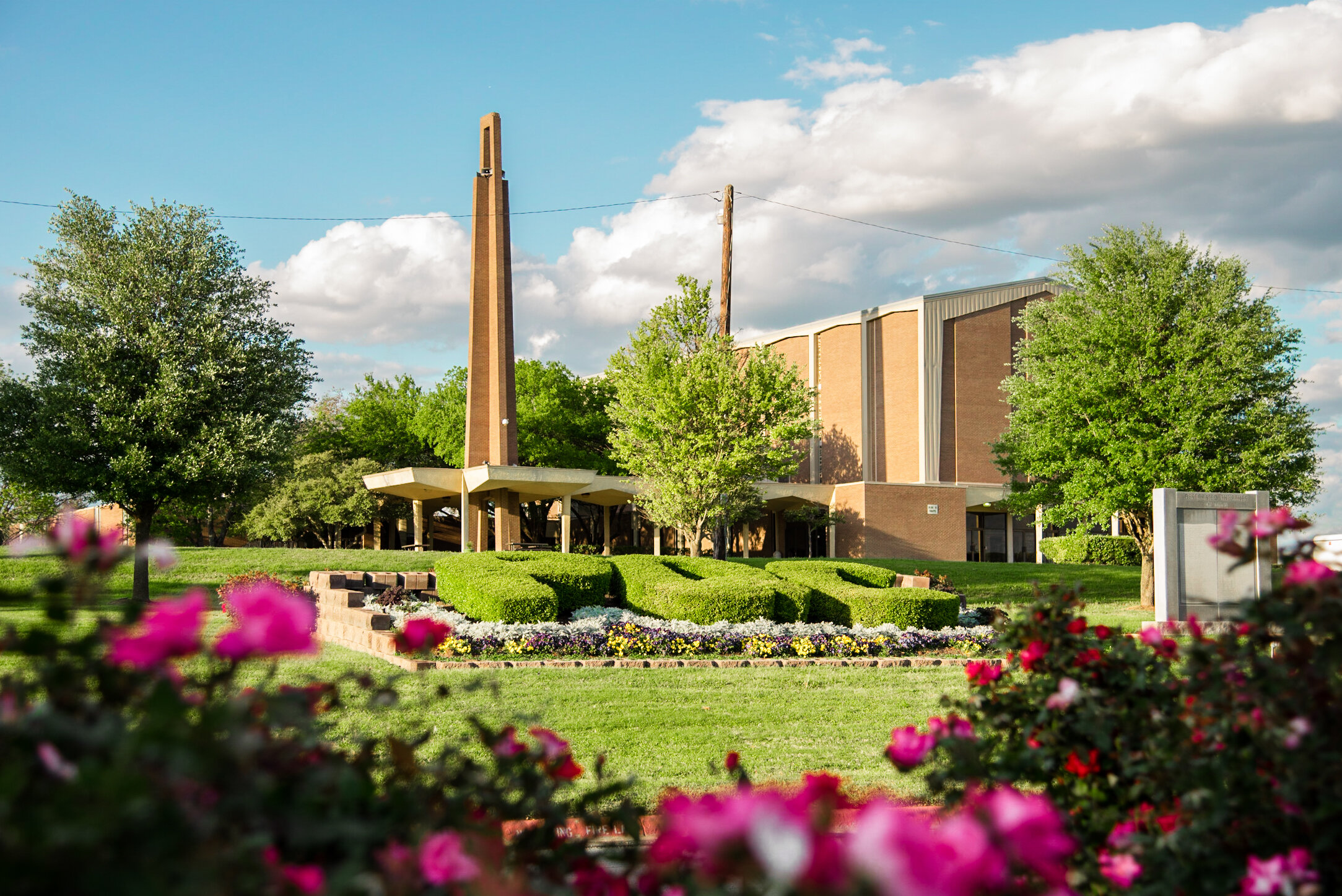
Paul Quinn College, a small historically Black work college in Dallas, trades ivy for business casual and a sweeping urban farm where students work to defray costs. Its 40% acceptance rate opens the door to a gritty, pragmatic education focused squarely on professional readiness and social mobility. While its 27% graduation rate reflects the challenges of its predominantly low-income student body, the tight-knit community delivers a singular, no-frills launchpad—with graduates earning a median of $29,288 a decade in.
Admission requirements
Test-blind — scores not considered
Required
High school transcript
Grade point average
Letters of recommendation
Demonstrated competencies
TOEFL (non-native English)
Considered (not required)
College-prep program
Source: IPEDS Admissions survey (2022) via Urban Institute. Covers formal factors only — it does not reflect essays, extracurriculars, or other holistic criteria.
More details
Undergrad enrollment
620
In-state tuition
$13,498
Out-of-state tuition
$13,498
Dress Code
Business casual
Graduation Rate
29%
Early-Career Earnings
$27,000
Student-to-Faculty Ratio
20:1
Outcomes & value
Outcomes & value
Median earnings (10 yr)
$29,288
Value (earnings ÷ net price)
2.3×
Median debt at graduation
$23,373
Graduation rate
27%
First-year retention
49%
Reducing loan balance (3 yr)
21%
Pell (lower-income) share
67%
First-gen share (among federal-aid recipients)
48%
Financial health
1.0 / 3.0Passing, but in the added-oversight zone
U.S. Dept. of Education Financial Responsibility Composite Score (FY2022-23). Scale −1.0 to 3.0; ≥1.5 meets the standard. Reported for private nonprofit & for-profit institutions only — public universities are state-backed and not scored, so this is a stability signal, not a ranking.
Campus & location
Campus safety
On-campus violent crimes (2024)
0
Per 1,000 students
0.00
On-campus criminal offenses classed as violent (murder/non-negligent manslaughter, rape, robbery, aggravated assault) for the most recent reported year. Source: U.S. Dept. of Education Campus Safety and Security (Clery Act). Counts reflect what’s reported to the school, and urban campuses often report more partly due to non-student incidents nearby — read alongside campus size and setting, not as a standalone safety verdict.
Climate
Pleasant days / yr
93
Summer high
94°F
Winter low
41°F
Annual rain
54.6"
Annual snow
1.1"
Natural-hazard risk
Very High
Pleasant days counts days per year with a mean temperature of 55–75°F, a high at or below 90°F, a low at or above 45°F, and little precipitation — a transparent comfort measure, not a weighting we invented. Computed from Open-Meteo ERA5 daily history (2019–2023). Natural-hazard risk is the county’s composite rating from the FEMA National Risk Index.
Deep dive — research, future-scholar output & economic mobility▾
Research output
Institutional h-index
24
Scholarly works
95
Institutional research volume and impact from OpenAlex. The h-index reflects large research universities and will be low for teaching-focused liberal-arts colleges — not a measure of undergraduate quality.
Quick answers
What is the acceptance rate at Paul Quinn College?
Paul Quinn College's acceptance rate is approximately 40% (Dallas, TX), based on the most recent figures we compiled from public and primary sources.
How much does Paul Quinn College cost?
At Paul Quinn College, the average net price (after aid) is about $12,709 per year. Actual cost varies with financial aid and residency.
How many undergraduates attend Paul Quinn College?
Paul Quinn College enrolls approximately 620 undergraduate students.
Where is Paul Quinn College located?
Paul Quinn College is located in Dallas, TX.
Admissions
Paul Quinn College is selective, with an of 33.8% (sources vary slightly between 33.8% and 40%). The college looks for applicants with a minimum 3.00 weighted high school GPA, though the average admitted student has a 2.60 GPA. Test scores are considered but not heavily emphasized—the average ACT score is 16. The admissions process prioritizes academic rigor and class rank where available, reflecting the college's commitment to accessible yet selective education.
Paul Quinn offers 26 majors, with Business Administration, Accounting, and Psychology among the most popular. The student-to-faculty ratio is 20:1, fostering close interactions. The college emphasizes practical education, with programs like Banking and Finance tailored to career readiness. Graduation rates are low (23-29%), but the school is innovating to improve outcomes, particularly for its predominantly low-income student body. Notably, the college recently celebrated its first Fulbright Scholar, Dr. Jason Moore, highlighting its growing academic ambitions.
Earnings = median of students working ~10 years after entry; debt = median of graduates. Value divides 10-yr earnings by one year’s net price — read it as earnings per dollar of annual cost, not a full lifetime ROI; it favors lower-cost schools. Source: U.S. Dept. of Education College Scorecard. Figures lag ~2 years and reflect all students, not your intended major.
Life at Paul Quinn is defined by its small, tight-knit community. The college enforces a business-casual dress code to prepare students for professional environments. Residence life is integral to the experience, with housing designed to foster interpersonal skills. Student reviews highlight the supportive campus atmosphere, where staff and peers form close bonds. The Office of Student Experience focuses on holistic growth, blending academic and personal development. Instagram posts from the college showcase a vibrant, challenge-driven community where students are urged to 'think bigger.'
Graduation rates are a challenge (29% within six years), but the college is actively working to improve them. Early-career earnings for graduates average $27,000, with a median 10-year earnings figure of $29,288. Retention rates hover around 50%, reflecting the difficulties faced by its low-income student population. Despite these hurdles, Paul Quinn is recognized for defying national trends in higher ed, particularly in serving underrepresented students and innovating to boost success rates.
Paul Quinn's —after aid—averages $12,709, with 71% of students receiving some form of financial assistance. The Corporate Work Program provides scholarships ranging from $13,000 to $18,000 annually, significantly reducing costs for participants. The average aid package is $7,883, and grants average $7,619. Despite a sticker price of $18,118 after scholarships, the college remains one of the more affordable options, especially for low-income students.
Paul Quinn College stands out for its unapologetically pragmatic approach: a work-college model, business-casual dress code, and focus on transforming passion into impact. It serves a demographic often overlooked by higher ed, with a mission to uplift low-income students through innovative programs like the Corporate Work Program. While graduation rates lag, its commitment to social mobility and close-knit community make it a unique player in HBCU education. As one of the few work colleges in the South, it blends academic rigor with real-world readiness—a rare combination.
Paul Quinn College logo · sourcePaul Quinn College - Wikipedia · sourcePaul Quinn College - UNCF ICB · sourcePaul Quinn College gets first approval for Waco Historical Landmark | CW39 Houston · source