Loading…
← All schools
Philander Smith University
Little Rock, ARprivate nonprofitphilander.edu
Avg net price
$14,224
Earnings (10 yr)
$38,427
Graduation rate
30%
Acceptance & SAT from Common Data Set / IPEDS; net price, earnings & graduation from the U.S. Dept. of Education College Scorecard. Figures lag ~1–2 years — verify with the school.
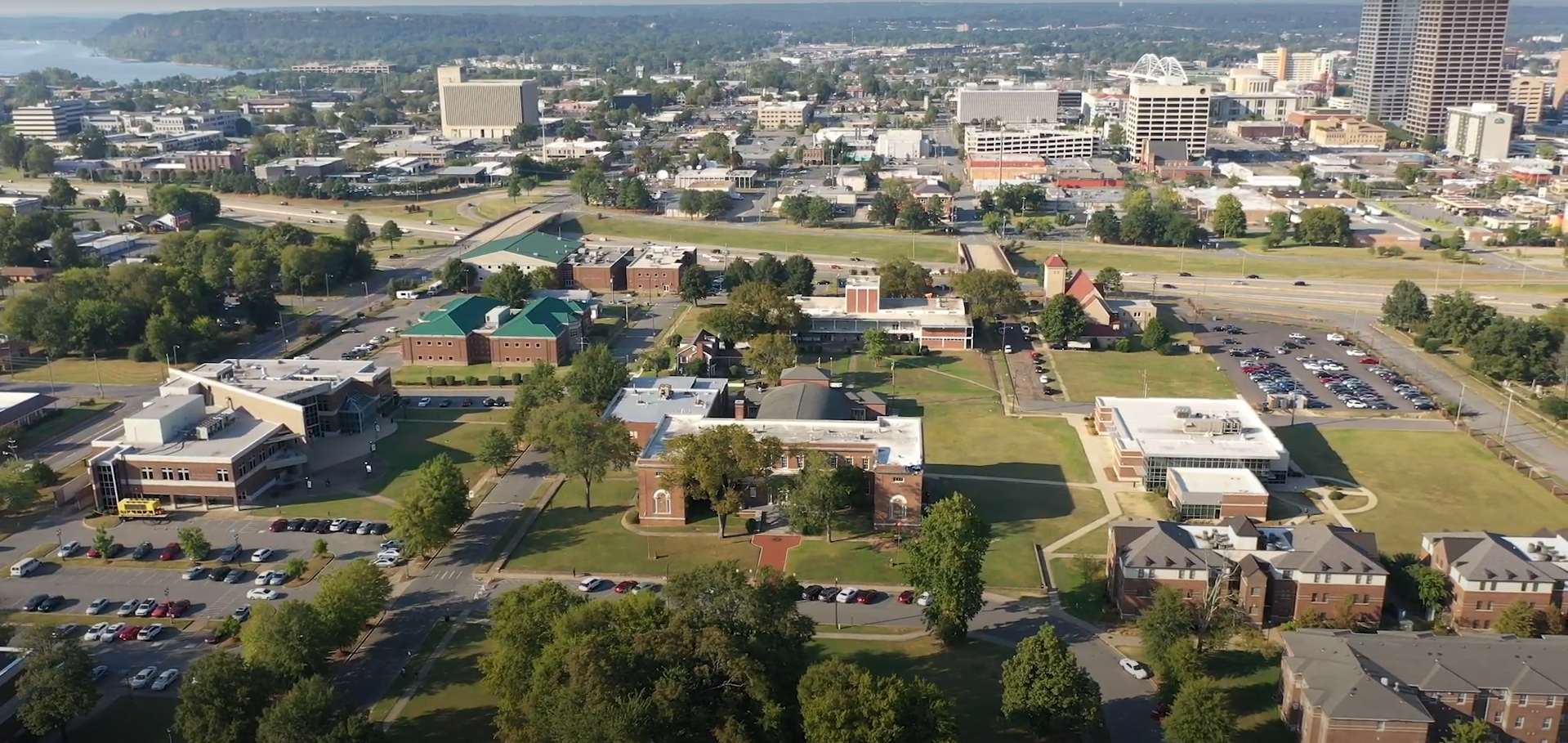
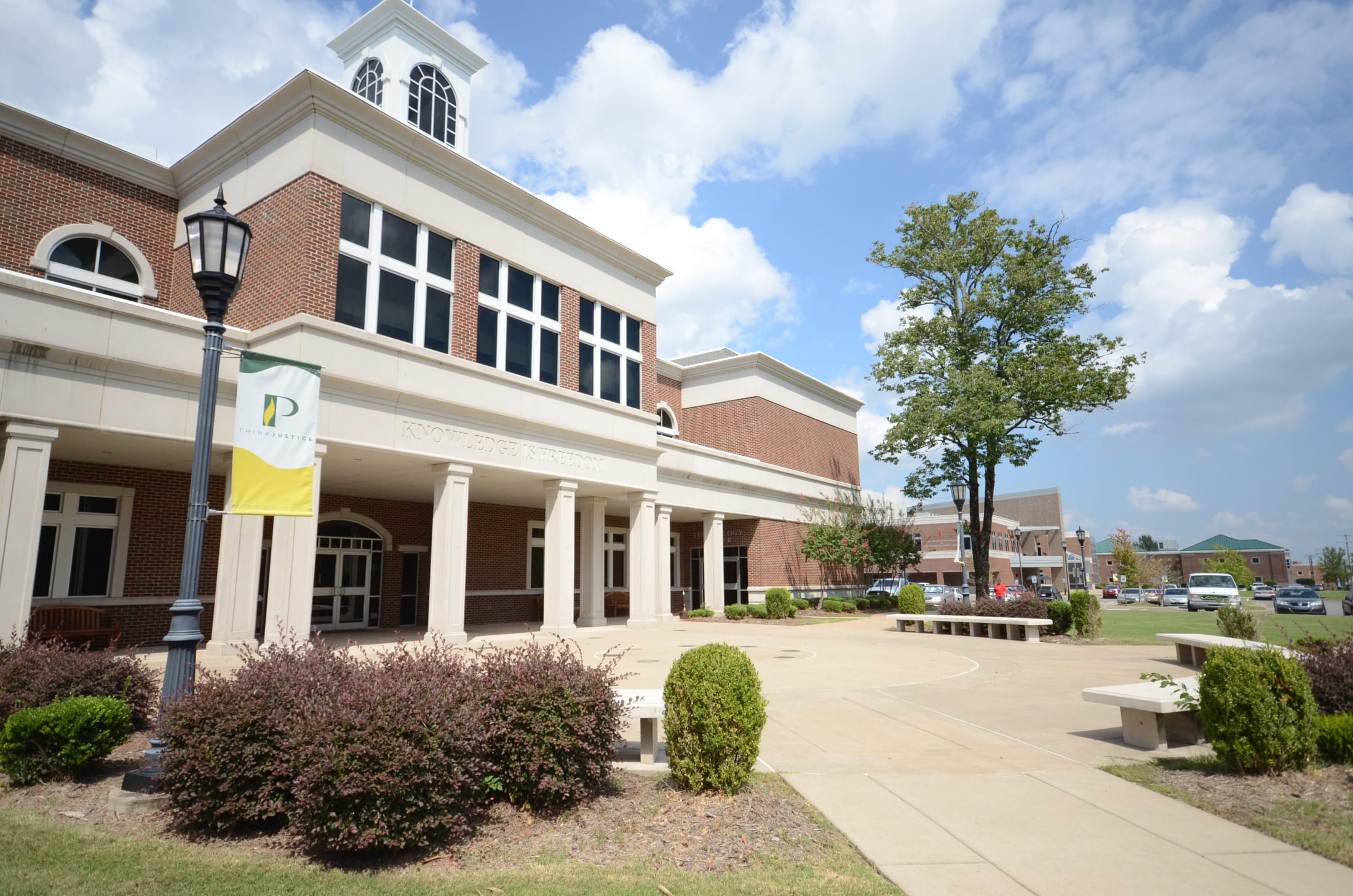
Philander Smith University is a small, historically Black institution in Little Rock that operates with a radically open admissions philosophy, accepting virtually all applicants. Its identity is forged by a tight-knit, residential HBCU community and a mission-driven focus on social justice advocacy, though it contends with significant challenges in graduation rates and post-graduate earnings. The academic experience is intimate, with a 12:1 student-faculty ratio and a curriculum centered on 21 undergraduate majors, where business is the overwhelming favorite.
More details
- Undergrad enrollment
- 751
- In-state tuition
- $13,014
- Out-of-state tuition
- $13,014
- Application Fee
- $25
- Graduation Rate
- 30%
- Most Popular Major
- Business
- First-Year Retention
- 66%
- Student-Faculty Ratio
- 12:1
- Median Earnings (10yr)
- $38,427
Outcomes & value
Outcomes & value
- Median earnings (10 yr)
- $38,427
- Value (earnings ÷ net price)
- 2.7×
- Median debt at graduation
- $24,736
- Graduation rate
- 30%
- First-year retention
- 66%
- Reducing loan balance (3 yr)
- 39%
- Pell (lower-income) share
- 68%
- First-gen share (among federal-aid recipients)
- 43%
Top-earning majors
Median earnings by field of study (highest credential), ~2 years after completion.
- Business, Management, Marketing, and Related Support Services, Other$46,087
- Biological and Physical Sciences$25,774
- Business Administration, Management and Operations$25,194
- Sports, Kinesiology, and Physical Education/Fitness$20,140
Source: U.S. Dept. of Education College Scorecard (field-of-study earnings). Figures cover graduates who received federal aid and lag ~2 years; not all programs report data.
Compare on earnings: best colleges for Marketing · best colleges for Business
Campus & location
Campus safety
- On-campus violent crimes (2024)
- 0
- Per 1,000 students
- 0.00
On-campus criminal offenses classed as violent (murder/non-negligent manslaughter, rape, robbery, aggravated assault) for the most recent reported year. Source: U.S. Dept. of Education Campus Safety and Security (Clery Act). Counts reflect what’s reported to the school, and urban campuses often report more partly due to non-student incidents nearby — read alongside campus size and setting, not as a standalone safety verdict.
Climate
- Pleasant days / yr
- 80
- Summer high
- 90°F
- Winter low
- 37°F
- Annual rain
- 51.6"
- Annual snow
- 3.2"
- Natural-hazard risk
- Relatively High
Pleasant days counts days per year with a mean temperature of 55–75°F, a high at or below 90°F, a low at or above 45°F, and little precipitation — a transparent comfort measure, not a weighting we invented. Computed from Open-Meteo ERA5 daily history (2019–2023). Natural-hazard risk is the county’s composite rating from the FEMA National Risk Index.
Quick answers
- How much does Philander Smith University cost?
- At Philander Smith University, the average net price (after aid) is about $14,224 per year. Actual cost varies with financial aid and residency.
- How many undergraduates attend Philander Smith University?
- Philander Smith University enrolls approximately 751 undergraduate students.
- Where is Philander Smith University located?
- Philander Smith University is located in Little Rock, AR.
Admissions
Philander Smith University maintains an open admissions policy, with multiple sources reporting a 100% . This makes it one of the most accessible four-year institutions in the country. The university does not use standardized test scores for admissions decisions; official SAT or ACT scores are requested for course placement purposes only. The reported middle 50% ACT range for admitted students is 15–21, and the middle 50% SAT range is approximately 870–1040. The average high school GPA of incoming students is reported as 3.04. With an open admissions policy, concepts like Early Decision, demonstrated interest, and rate are not applicable in the traditional competitive sense. The application fee is $25.
Compare Philander Smith University
vs Livingstone Collegevs Huston-Tillotson Universityvs Dillard Universityvs Johnson C Smith University
See colleges similar to Philander Smith University →Sources
- Consumer Information - Philander Smith University
- Common Data Set: Home
- [PDF] Smith College Common Data Set 2024-25 v2
- [PDF] Common Data Set 2021-2022 - Colorado Department of Education
- Philander Smith University acceptance rate and admissions profile
- Philander Smith University - Data USA
- Philander Smith College Admissions - BigFuture
- Philander Smith College SAT Scores and GPA - PrepScholar
- New Freshman - Philander Smith University
- Philander Smith University - Tuition and Acceptance Rate - Peterson's