Loading…
← All schools
Pike County Joint Vocational School District
Piketon, OHpublicwww.pikectc.org/
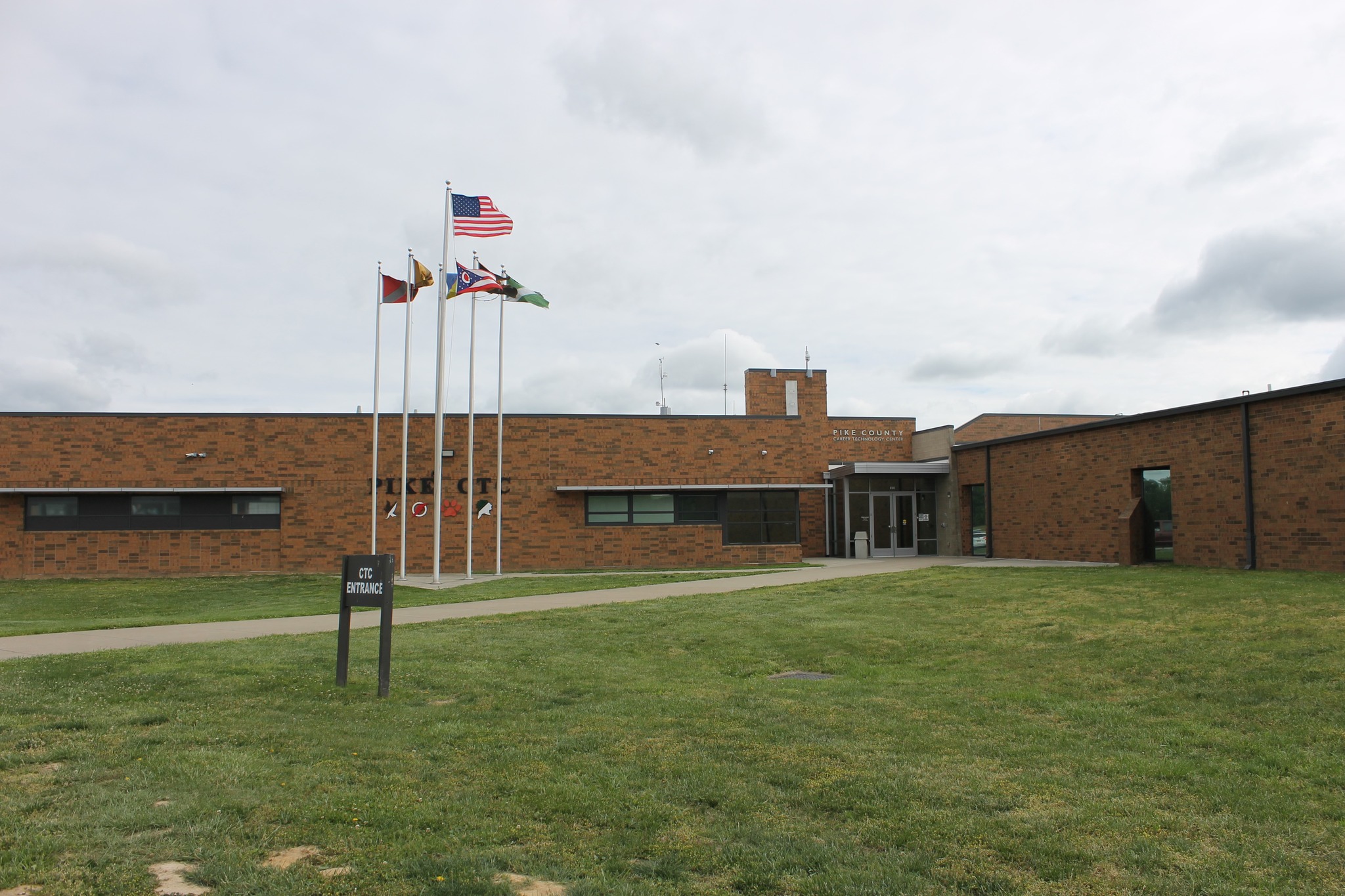
Pike County Joint Vocational School District operates less like a traditional college and more like a hyper-focused, public trade school embedded directly in its Appalachian Ohio community. With a tiny, part-time adult student body and a 100% acceptance rate, it's a no-frills, high-impact institution dedicated to turning local residents into skilled workers. Its identity is inseparable from its mission: to instill the importance of work ethic and provide direct pathways to careers, a philosophy reflected in its singular focus on vocational certificates and adult education.
More details
- Undergrad enrollment
- 39
- Focus
- Vocational Certificates & Adult Education
- Graduation Rate
- 94.1%
- Institution Type
- Public, less-than-2-year
- Median Earnings (10yr)
- $44,689
Outcomes & value
Outcomes & value
- Median earnings (10 yr)
- $44,689
- Reducing loan balance (3 yr)
- 29%
- Pell (lower-income) share
- —
Earnings = median of students working ~10 years after entry; debt = median of graduates. Value divides 10-yr earnings by one year’s net price — read it as earnings per dollar of annual cost, not a full lifetime ROI; it favors lower-cost schools. Source: U.S. Dept. of Education College Scorecard. Figures lag ~2 years and reflect all students, not your intended major.
Campus & location
Climate
- Pleasant days / yr
- 96
- Summer high
- 85°F
- Winter low
- 30°F
- Annual rain
- 33.8"
- Annual snow
- 12.6"
- Natural-hazard risk
- Relatively Low
Pleasant days counts days per year with a mean temperature of 55–75°F, a high at or below 90°F, a low at or above 45°F, and little precipitation — a transparent comfort measure, not a weighting we invented. Computed from Open-Meteo ERA5 daily history (2019–2023). Natural-hazard risk is the county’s composite rating from the FEMA National Risk Index.
Quick answers
- How many undergraduates attend Pike County Joint Vocational School District?
- Pike County Joint Vocational School District enrolls approximately 39 undergraduate students.
- Where is Pike County Joint Vocational School District located?
- Pike County Joint Vocational School District is located in Piketon, OH.
Admissions
Admissions at Pike County JVSD is characterized by an open-access, non-selective policy focused on adult learners seeking specific vocational training. The institution had a total enrollment of only 39 students in 2024, all of whom were part-time, underscoring its role as a compact, career-focused center rather than a residential college. With an of 100%, the process is designed to be a low-barrier entry point for those in the region looking to gain skills, not to filter applicants through a competitive academic lens. The school's admissions data and test scores are not reported in the same way as traditional colleges, as it falls under the category of institutions that do not have a selective admission policy. The process is likely driven by program capacity and specific prerequisites for its vocational certificates, not by .
Academics
The academic offering is starkly utilitarian, built entirely around vocational certification and adult education. The school's mission is to "dedicate itself to instill in every one of its students the importance of the work ethic," a statement that perfectly captures its pedagogical philosophy: practical skills and professional readiness above all else. It operates as the Pike County Career Technology Center, providing career and placement services to students and graduates, including career aptitude assessments for those seeking the right training path. While a linked strategic plan from a local high school speaks to providing "excellence in education, producing graduates ready for college, career, and life-long success," the JVSD itself is squarely in the 'career' lane, offering the "subject-specific knowledge acquired during this time" that is "crucial for success" in vocational fields. There are no liberal arts majors here; the curriculum is the training.
Compare Pike County Joint Vocational School District
vs University of Minnesota-Morrisvs Chicago State Universityvs Dickinson State Universityvs Indiana University-Northwest
See colleges similar to Pike County Joint Vocational School District →Sources
- Pike County Joint Vocational School District
- Pike County Joint Vocational School District - DFR Report HTML
- Pike County Joint Vocational School District (no-room/board)
- Common Data Set: Home
- Pike County Joint Vocational School District Statistics
- Common Data Set 2021-2022
- Pike County Joint Vocational School District
- Pike County Joint Vocational School District | College Scorecard
- Pike County CTC Home
- Pike County Joint Vocational School District Enrollment Statistics