Loading…
← All schools
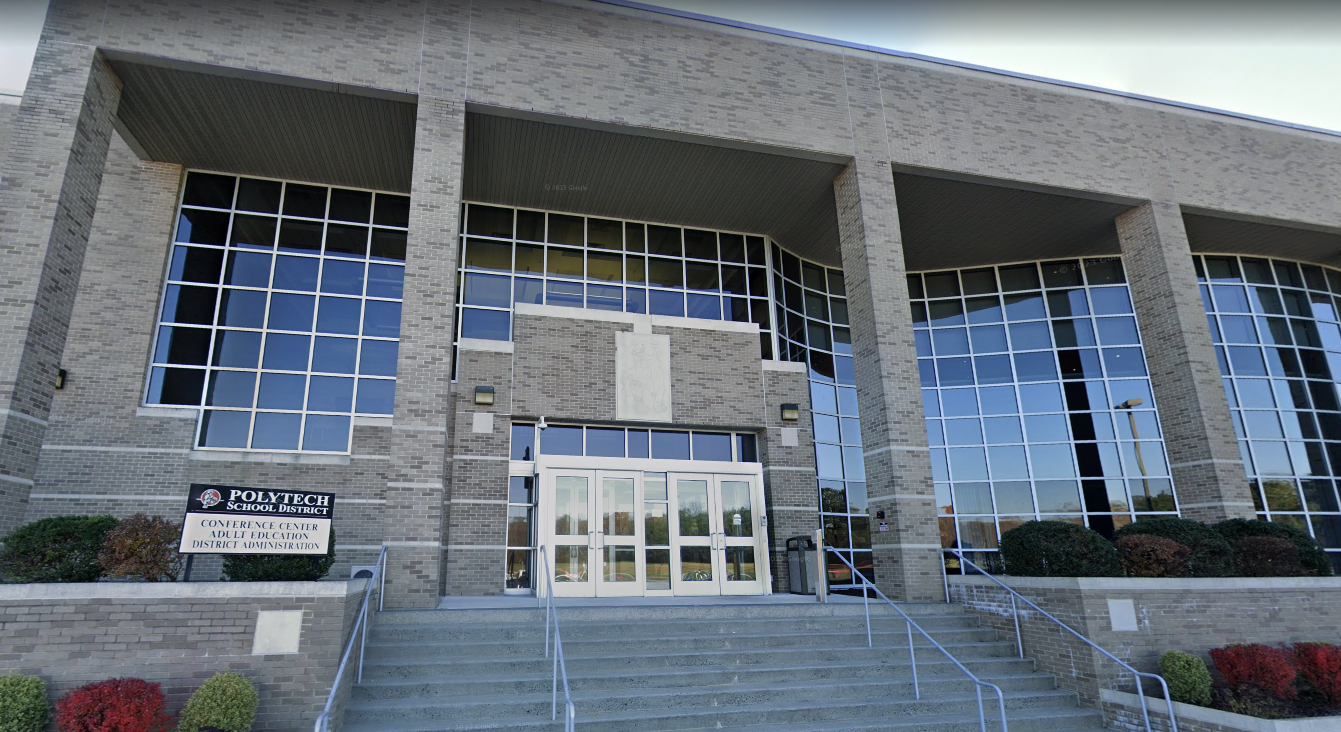
Polytech Adult Education
Woodside, DEpublicwww.polytechworks.com/
Polytech Adult Education isn't a traditional college; it's a pragmatic, no-frills launchpad for Delaware adults seeking a second chance or a new skill set. With an open-door policy and a laser focus on trades, high school completion, and English language learning, it operates more like a vital public utility than an academic institution. Its culture is defined by flexibility for working adults and a direct pipeline to local industries, making it a singular force for workforce development in the region.
More details
- Undergrad enrollment
- 590
- Key Program Areas
- Electrical, HVAC-R, Plumbing, Welding, Automotive, CDL-A
- Student Body Focus
- Adult Learners (GED, Trades, ESL)
- Average Total Aid Awarded
- $8,210 per year
- Graduation Rate (150% time)
- 70%
Outcomes & value
Outcomes & value
- Pell (lower-income) share
- 3%
Earnings = median of students working ~10 years after entry; debt = median of graduates. Value divides 10-yr earnings by one year’s net price — read it as earnings per dollar of annual cost, not a full lifetime ROI; it favors lower-cost schools. Source: U.S. Dept. of Education College Scorecard. Figures lag ~2 years and reflect all students, not your intended major.
Campus & location
Campus safety
- On-campus violent crimes (2024)
- 0
On-campus criminal offenses classed as violent (murder/non-negligent manslaughter, rape, robbery, aggravated assault) for the most recent reported year. Source: U.S. Dept. of Education Campus Safety and Security (Clery Act). Counts reflect what’s reported to the school, and urban campuses often report more partly due to non-student incidents nearby — read alongside campus size and setting, not as a standalone safety verdict.
Climate
- Pleasant days / yr
- 95
- Summer high
- 85°F
- Winter low
- 32°F
- Annual rain
- 53.3"
- Annual snow
- 9.6"
- Natural-hazard risk
- Relatively Moderate
Pleasant days counts days per year with a mean temperature of 55–75°F, a high at or below 90°F, a low at or above 45°F, and little precipitation — a transparent comfort measure, not a weighting we invented. Computed from Open-Meteo ERA5 daily history (2019–2023). Natural-hazard risk is the county’s composite rating from the FEMA National Risk Index.
Quick answers
- How many undergraduates attend Polytech Adult Education?
- Polytech Adult Education enrolls approximately 590 undergraduate students.
- Where is Polytech Adult Education located?
- Polytech Adult Education is located in Woodside, DE.
Admissions
Admissions at Polytech Adult Education is refreshingly straightforward: they accept everyone. The institution has an open admission policy, meaning the is effectively 100%. This isn't a selective gatekeeper but a community resource designed for access. The high enrollment of 95.3% suggests that nearly everyone who is admitted chooses to enroll, indicating strong alignment between the school's offerings and the immediate, practical needs of its applicant pool. There is no mention of Early Decision programs, standardized test requirements, or a consideration of demonstrated interest—the process is built for simplicity and speed, removing barriers for adult learners who are often balancing work and family commitments.
Academics
The academic model is purely utilitarian, centered on certificates and diplomas rather than traditional degrees. The curriculum is a direct response to local labor market demands. Popular programs are heavily skewed toward the skilled trades and essential services, including Electrical, HVAC-R, Plumbing, Welding, Automotive, and Industrial Maintenance. The school also celebrates its Trade Apprentice programs. Beyond the trades, it offers foundational adult education: GED® Prep, High School Diploma classes, and English as a Second Language (ESL). The environment is explicitly designed to be "supportive" and "conducive to adult learners," with a mission focused on "innovative opportunities, dynamic partnerships, and engaging" instruction. This isn't a place for theoretical exploration; it's for acquiring a specific, marketable skill as efficiently as possible.
Compare Polytech Adult Education
vs United States Merchant Marine Academyvs Maine Maritime Academyvs United States Coast Guard Academyvs SUNY Maritime College
See colleges similar to Polytech Adult Education →Sources
- Common Data Set: Home
- Polytech Adult Education - Data USA
- Polytech Adult Education - DFR Report PDF
- [PDF] Career Training Center 2024/2025 Student Handbook & Catalog
- Home > Polytech Adult Education
- Common Data Set - Analytics & Institutional Effectiveness
- Polytech Adult Education
- POLYTECH Adult Education
- Polytech Adult Education | College Scorecard
- Polytech adult education celebrates 2026 trade program graduates