Loading…
← All schools
Pontifical Catholic University of Puerto Rico-Arecibo
Arecibo, PRprivate nonprofitwww.pucpr.edu/arecibo
Acceptance
94%
Avg net price
$11,117
Earnings (10 yr)
$24,908
Graduation rate
54%
Admit rate has ranged 85%–99% over the last 5 years — notably volatile. Source: IPEDS via Urban Institute.
Acceptance & SAT from Common Data Set / IPEDS; net price, earnings & graduation from the U.S. Dept. of Education College Scorecard. Figures lag ~1–2 years — verify with the school.
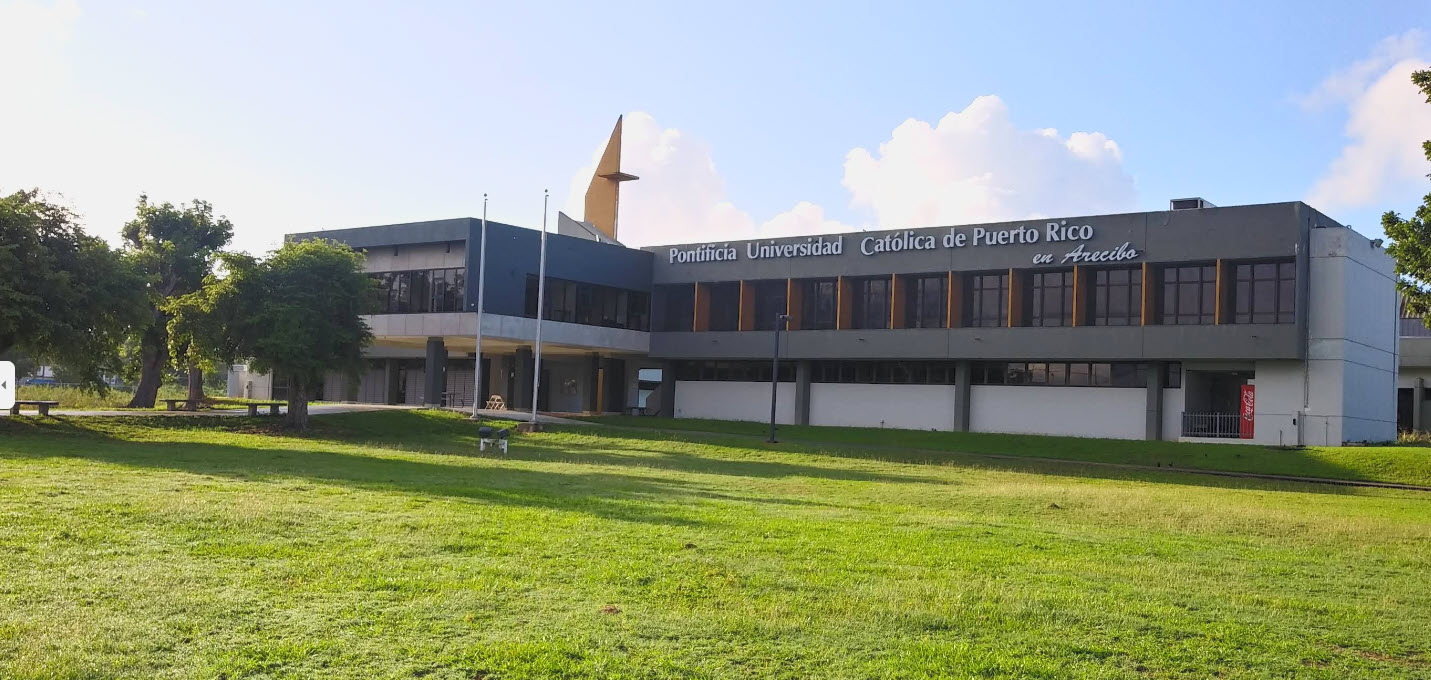
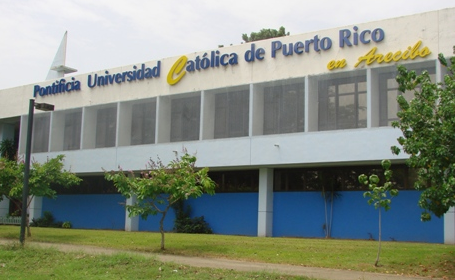
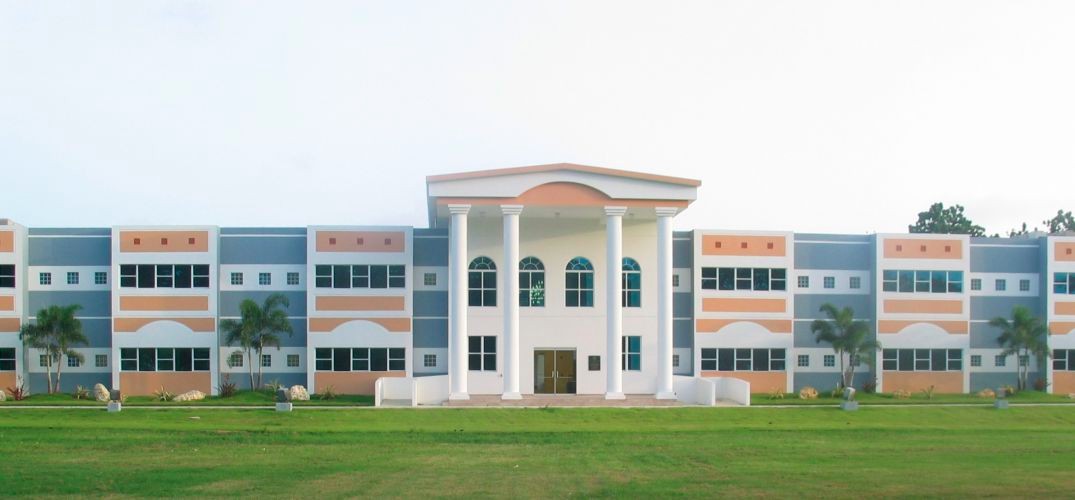
The Arecibo campus of the Pontifical Catholic University of Puerto Rico is a small, faith-based institution where access is the defining feature of its admissions. With an undergraduate population of just over 300, it offers a tight-knit, community-focused alternative to the island's larger public universities, anchored in Catholic values and a curriculum that leans heavily on the liberal arts and sciences. Its outcomes reflect the economic challenges of the region, positioning it as a local engine of social mobility rather than a destination for high academic selectivity.
Admission requirements
Test-optional — scores considered if submitted
Required
- High school transcript
- Grade point average
Considered (not required)
- Test scores (SAT/ACT)
Source: IPEDS Admissions survey (2022) via Urban Institute. Covers formal factors only — it does not reflect essays, extracurriculars, or other holistic criteria.
More details
- Undergrad enrollment
- 273
- In-state tuition
- $6,550
- Out-of-state tuition
- $6,550
- Graduation Rate
- 54%
- Student-Faculty Ratio
- 12:1
- Median Earnings (10yr)
- $24,908
- Average First-Year Grant Award
- $7,561
- First-Year Students Receiving Grant Aid
- 100%
Outcomes & value
Outcomes & value
- Median earnings (10 yr)
- $24,908
- Value (earnings ÷ net price)
- 2.2×
- Median debt at graduation
- $15,500
- Graduation rate
- 54%
- First-year retention
- 87%
- Reducing loan balance (3 yr)
- 32%
- Pell (lower-income) share
- 69%
- First-gen share (among federal-aid recipients)
- 31%
Top-earning majors
Median earnings by field of study (highest credential), ~2 years after completion.
- Teaching English or French as a Second or Foreign Language$27,439
- Liberal Arts and Sciences, General Studies and Humanities$24,904
- Criminology$21,508
- Psychology, General$16,663
- Health Services/Allied Health/Health Sciences, General$15,090
- Accounting and Related Services
Campus & location
Campus safety
- On-campus violent crimes (2024)
- 0
- Per 1,000 students
- 0.00
On-campus criminal offenses classed as violent (murder/non-negligent manslaughter, rape, robbery, aggravated assault) for the most recent reported year. Source: U.S. Dept. of Education Campus Safety and Security (Clery Act). Counts reflect what’s reported to the school, and urban campuses often report more partly due to non-student incidents nearby — read alongside campus size and setting, not as a standalone safety verdict.
Climate
- Pleasant days / yr
- 29
- Summer high
- 88°F
- Winter low
- 70°F
- Annual rain
- 48.6"
Pleasant days counts days per year with a mean temperature of 55–75°F, a high at or below 90°F, a low at or above 45°F, and little precipitation — a transparent comfort measure, not a weighting we invented. Computed from Open-Meteo ERA5 daily history (2019–2023).
Quick answers
- What is the acceptance rate at Pontifical Catholic University of Puerto Rico-Arecibo?
- Pontifical Catholic University of Puerto Rico-Arecibo's acceptance rate is approximately 94% (Arecibo, PR), based on the most recent figures we compiled from public and primary sources.
- How much does Pontifical Catholic University of Puerto Rico-Arecibo cost?
- At Pontifical Catholic University of Puerto Rico-Arecibo, the average net price (after aid) is about $11,117 per year. Actual cost varies with financial aid and residency.
- How many undergraduates attend Pontifical Catholic University of Puerto Rico-Arecibo?
- Pontifical Catholic University of Puerto Rico-Arecibo enrolls approximately 273 undergraduate students.
- Where is Pontifical Catholic University of Puerto Rico-Arecibo located?
- Pontifical Catholic University of Puerto Rico-Arecibo is located in Arecibo, PR.
Admissions
Admissions at the Arecibo campus are characterized by exceptionally high access, with an that places it among the most open institutions in Puerto Rico. The process receives about 190 applications annually, admitting nearly all who apply. This open-door policy stands in contrast to the more selective public universities on the island, making it a viable option for a broad range of local students. The admissions data does not emphasize standardized test scores as a primary factor, suggesting a that likely prioritizes academic preparation and fit with the institution's Catholic mission. There is no indication of an Early Decision program or that demonstrated interest is a formal factor in the selection process, reinforcing its role as a community-serving institution.
Compare Pontifical Catholic University of Puerto Rico-Arecibo
vs Inter American University of Puerto Rico-Metrovs EDP University of Puerto Rico Inc-San Juanvs University of Mobilevs Livingstone College
See colleges similar to Pontifical Catholic University of Puerto Rico-Arecibo →Sources
- Pontifical Catholic University of Puerto Rico-Arecibo - IPEDS
- Pontifical Catholic University of Puerto Rico-Arecibo Campus ...
- Pontifical Catholic University of Puerto Rico--Arecibo Admissions
- Pontifical Catholic University of Puerto Rico-Arecibo Acceptance Rate
- Pontifical Catholic University of Puerto Rico: Tabular Data
- Pontifical Catholic University of Puerto Rico Admissions - BigFuture
- Pontifical Catholic University of Puerto Rico - Arecibo - Niche
- Pontifical Catholic University of Puerto Rico-Arecibo Requirements