Loading…
← All schools
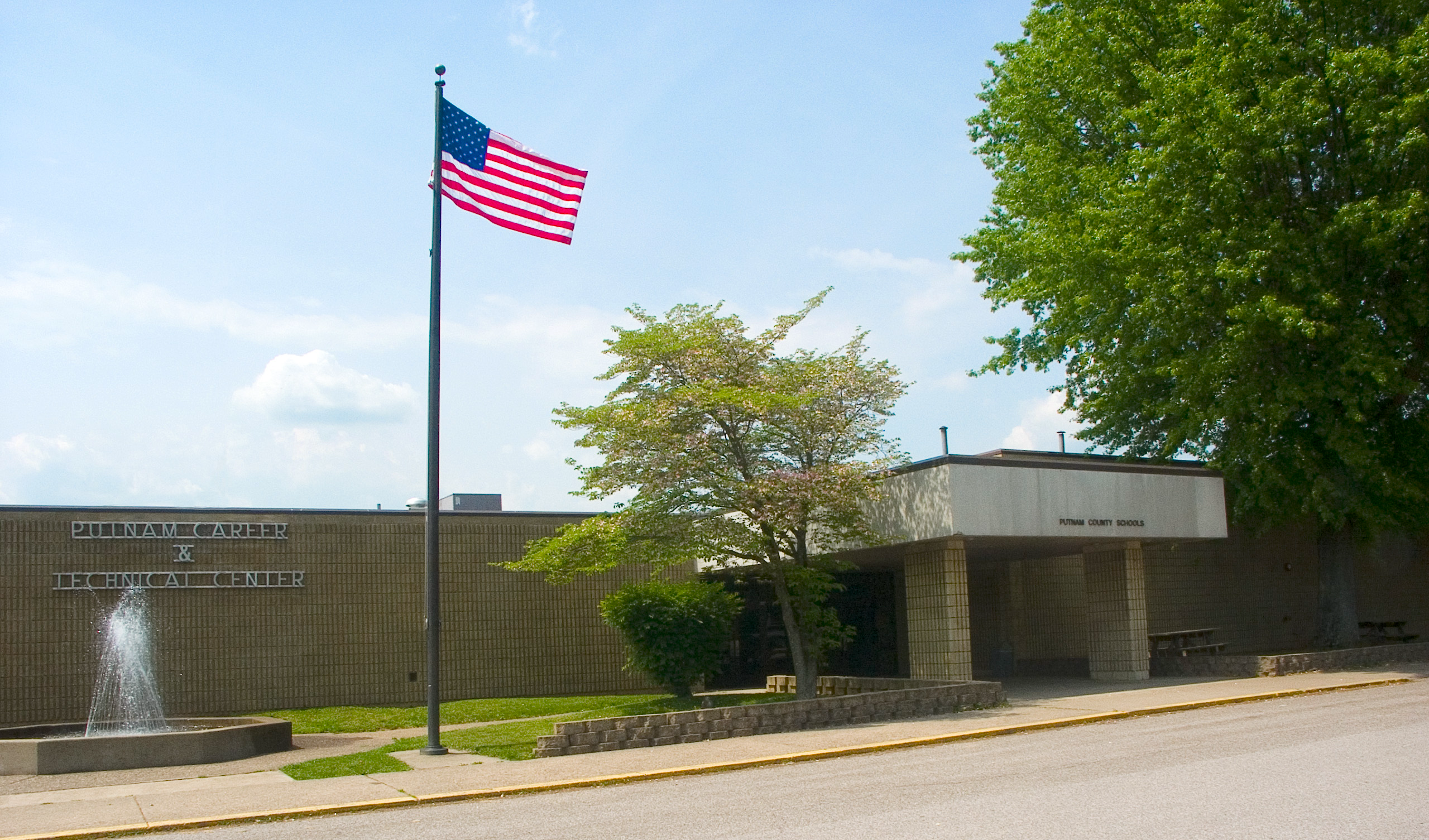
Putnam Career and Technical Center
Eleanor, WVpublicwww.pctc.edu/
Avg net price
$1,975
Earnings (10 yr)
$36,203
Acceptance & SAT from Common Data Set / IPEDS; net price, earnings & graduation from the U.S. Dept. of Education College Scorecard. Figures lag ~1–2 years — verify with the school.
Putnam Career and Technical Center is a hyper-practical, singular institution in Eleanor, West Virginia, that operates less like a traditional college and more like a direct pipeline to the skilled workforce. It eschews the liberal arts entirely for intensive, hands-on training in fields like healthcare, heavy equipment, and practical nursing, with a focus on credentialing and immediate job readiness. This is a place where students come to build tangible skills in a 92,000-square-foot facility, not to ponder philosophy—a fact reflected in its open admissions, ultra-low net price, and a median graduate earning power that quickly outpaces its minimal cost.
More details
- Undergrad enrollment
- 27
- Campus Size
- 92,000+ sq. ft. facility
- Most Popular Major
- Medical Assistant
- Median Earnings (10yr)
- $36,203
- Financial Aid Recipients
- 57% of first-year students
Outcomes & value
Outcomes & value
- Median earnings (10 yr)
- $36,203
- Value (earnings ÷ net price)
- 18.3×
- Pell (lower-income) share
- 51%
Earnings = median of students working ~10 years after entry; debt = median of graduates. Value divides 10-yr earnings by one year’s net price — read it as earnings per dollar of annual cost, not a full lifetime ROI; it favors lower-cost schools. Source: U.S. Dept. of Education College Scorecard. Figures lag ~2 years and reflect all students, not your intended major.
Campus & location
Campus safety
- On-campus violent crimes (2024)
- 0
On-campus criminal offenses classed as violent (murder/non-negligent manslaughter, rape, robbery, aggravated assault) for the most recent reported year. Source: U.S. Dept. of Education Campus Safety and Security (Clery Act). Counts reflect what’s reported to the school, and urban campuses often report more partly due to non-student incidents nearby — read alongside campus size and setting, not as a standalone safety verdict.
Climate
- Pleasant days / yr
- 91
- Summer high
- 85°F
- Winter low
- 31°F
- Annual rain
- 45.5"
- Annual snow
- 11.8"
- Natural-hazard risk
- Relatively Low
Pleasant days counts days per year with a mean temperature of 55–75°F, a high at or below 90°F, a low at or above 45°F, and little precipitation — a transparent comfort measure, not a weighting we invented. Computed from Open-Meteo ERA5 daily history (2019–2023). Natural-hazard risk is the county’s composite rating from the FEMA National Risk Index.
Quick answers
- How much does Putnam Career and Technical Center cost?
- At Putnam Career and Technical Center, the average net price (after aid) is about $1,975 per year. Actual cost varies with financial aid and residency.
- How many undergraduates attend Putnam Career and Technical Center?
- Putnam Career and Technical Center enrolls approximately 27 undergraduate students.
- Where is Putnam Career and Technical Center located?
- Putnam Career and Technical Center is located in Eleanor, WV.
Admissions
Admissions at Putnam Career and Technical Center are defined by accessibility and a focus on vocational aptitude over traditional academic metrics. Unlike selective four-year colleges, PCTC appears to have an open or very high ; one source explicitly states an acceptance rate of 100%, while others note that admission test scores are "neither required nor recommended." The process seems geared toward identifying practical readiness and interest in the trades. While no specific SAT or ACT score ranges are reported, the framework indicates that special consideration can be given to students with demonstrated talent or abilities—a relevant factor for a technical school. There is no evidence of an Early Decision program or that demonstrated interest is a formal factor in admissions here; those concepts are more relevant to highly selective undergraduate institutions. The primary gatekeepers seem to be program capacity and a student's fit for the hands-on, physically demanding nature of the training, as suggested by program requirements like the ability to lift 50 pounds.
Academics
The academic model is pure, unadulterated career training. PCTC offers concentrated, non-degree certificate programs designed to get students job-ready, often in under a year. The curriculum is dominated by high-demand technical fields:
Compare Putnam Career and Technical Center
vs University of Science and Arts of Oklahomavs University of Arkansas at Pine Bluffvs Florida Polytechnic Universityvs United States Coast Guard Academy
See colleges similar to Putnam Career and Technical Center →Sources
- common-data-set-current-year.pdf
- Common Data Set: Home
- Decoding the Common Data Set What You Need to Know for Your College ...
- Common Data Set Explorer 2026: Compare 100 Colleges
- How To Use a Common Data Set
- Common Data Set 2024-2025
- Putnam Career & Technical Center
- Putnam Career and Technical Center Statistics
- Putnam Career and Technical Center - College Profile & ...
- Putnam Career and Technical Center
- Putnam Career and Technical Center