Admit rate has ranged 55%–99% over the last 5 years — notably volatile. Source: IPEDS via Urban Institute.
Acceptance & SAT from Common Data Set / IPEDS; net price, earnings & graduation from the U.S. Dept. of Education College Scorecard. Figures lag ~1–2 years — verify with the school.
Reinhardt University is a small, private liberal arts institution nestled in the foothills of North Georgia in Waleska, offering a distinctly intimate and community-focused alternative to the state's sprawling public flagships. With a 62% acceptance rate and a test-optional policy, it provides accessible pathways to degrees ranging from business and nursing to creative writing and artificial intelligence. The campus vibe is described as cozy and beautiful, fostering close student-faculty relationships, though its 44% graduation rate signals that the supportive environment doesn't guarantee persistence for all.
Admission requirements
Test-optional — scores considered if submitted
Required
High school transcript
Grade point average
TOEFL (non-native English)
Considered (not required)
Letters of recommendation
Test scores (SAT/ACT)
College-prep program
Source: IPEDS Admissions survey (2022) via Urban Institute. Covers formal factors only — it does not reflect essays, extracurriculars, or other holistic criteria.
More details
Undergrad enrollment
1,066
In-state tuition
$30,074
Out-of-state tuition
$30,074
Graduation Rate
44%
On-Campus Housing
59%
Early Decision Plan
Not offered
Demonstrated Interest
Not considered
Student-Faculty Ratio
13:1
Median Earnings (10yr)
$46,541
Classes Under 20 Students
82.5%
Outcomes & value
Outcomes & value
Median earnings (10 yr)
$46,541
Value (earnings ÷ net price)
1.9×
Median debt at graduation
$23,900
Graduation rate
44%
First-year retention
62%
Reducing loan balance (3 yr)
49%
Pell (lower-income) share
40%
First-gen share (among federal-aid recipients)
37%
Financial health
2.3 / 3.0Meets the federal financial-responsibility standard
U.S. Dept. of Education Financial Responsibility Composite Score (FY2022-23). Scale −1.0 to 3.0; ≥1.5 meets the standard. Reported for private nonprofit & for-profit institutions only — public universities are state-backed and not scored, so this is a stability signal, not a ranking.
Top-earning majors
Median earnings by field of study (highest credential), ~2 years after completion.
Criminal Justice and Corrections$47,260
Business Administration, Management and Operations$42,682
Teacher Education and Professional Development, Specific Levels and Methods$29,685
Teacher Education and Professional Development, Specific Subject Areas$21,508
Source: U.S. Dept. of Education College Scorecard (field-of-study earnings). Figures cover graduates who received federal aid and lag ~2 years; not all programs report data.
On-campus criminal offenses classed as violent (murder/non-negligent manslaughter, rape, robbery, aggravated assault) for the most recent reported year. Source: U.S. Dept. of Education Campus Safety and Security (Clery Act). Counts reflect what’s reported to the school, and urban campuses often report more partly due to non-student incidents nearby — read alongside campus size and setting, not as a standalone safety verdict.
Climate
Pleasant days / yr
97
Summer high
86°F
Winter low
38°F
Annual rain
63.7"
Annual snow
1.8"
Natural-hazard risk
Relatively Moderate
Pleasant days counts days per year with a mean temperature of 55–75°F, a high at or below 90°F, a low at or above 45°F, and little precipitation — a transparent comfort measure, not a weighting we invented. Computed from Open-Meteo ERA5 daily history (2019–2023). Natural-hazard risk is the county’s composite rating from the FEMA National Risk Index.
Deep dive — research, future-scholar output & economic mobility▾
Research output
Institutional h-index
57
Scholarly works
640
Institutional research volume and impact from OpenAlex. The h-index reflects large research universities and will be low for teaching-focused liberal-arts colleges — not a measure of undergraduate quality.
Economic mobility
Mobility rate
1.3%
Bottom → top quintile
24%
From bottom quintile
5%
Mobility rate = the share of students who both start in the bottom household-income quintile and reach the top quintile; bottom → top is that chance conditional on starting at the bottom. Source: Opportunity Insights Mobility Report Cards (Chetty, Friedman, Saez, Turner & Yagan). Reflects 1980–82 birth cohorts, so it’s directional, not current.
Quick answers
What is the acceptance rate at Reinhardt University?
Reinhardt University's acceptance rate is approximately 62% (Waleska, GA), based on the most recent figures we compiled from public and primary sources.
How much does Reinhardt University cost?
At Reinhardt University, the average net price (after aid) is about $24,425 per year. Actual cost varies with financial aid and residency.
How many undergraduates attend Reinhardt University?
Reinhardt University enrolls approximately 1,066 undergraduate students.
Where is Reinhardt University located?
Reinhardt University is located in Waleska, GA.
Admissions
Reinhardt University operates with a moderately selective admissions process, accepting roughly six out of every ten applicants. The university is , meaning submitting SAT or ACT scores is not required for admission, though sending strong scores can strengthen an application. For those who do submit, the middle 50% SAT range for admitted students falls between 900 and 1210. The average high school GPA of entering students is around 3.20. The primary academic requirement for first-time freshmen is a high school GPA of 2.5 or higher in core academic subjects (English, Math, Science, Social Studies). The university does not offer an Early Decision plan, and its rate—the percentage of accepted students who enroll—is reported to be 29%, which is considered medium. Demonstrated interest is not a formal factor in admissions decisions at Reinhardt.
Earnings = median of students working ~10 years after entry; debt = median of graduates. Value divides 10-yr earnings by one year’s net price — read it as earnings per dollar of annual cost, not a full lifetime ROI; it favors lower-cost schools. Source: U.S. Dept. of Education College Scorecard. Figures lag ~2 years and reflect all students, not your intended major.
Reinhardt's academic identity is rooted in the liberal arts, but it has expanded into professional and pre-professional fields that drive enrollment. The most popular majors are Business Administration and Management, General, and Registered Nursing. The university offers a wide array of programs, including unique offerings like Artificial Intelligence (AI), Acting, and Creative Writing, which students frequently highlight as strong, rigorous majors. The student-faculty ratio is an intimate 13:1, and 82.5% of classes have fewer than 20 students, creating a classroom environment where personalized attention is the norm. Academic support services are robust, encompassing learning and accessibility accommodations, autism spectrum support, and English as a second language (ESL) classes. The core liberal arts curriculum provides the foundational requirements for specialization in traditional fields like economics, English, history, mathematics, philosophy, and political science.
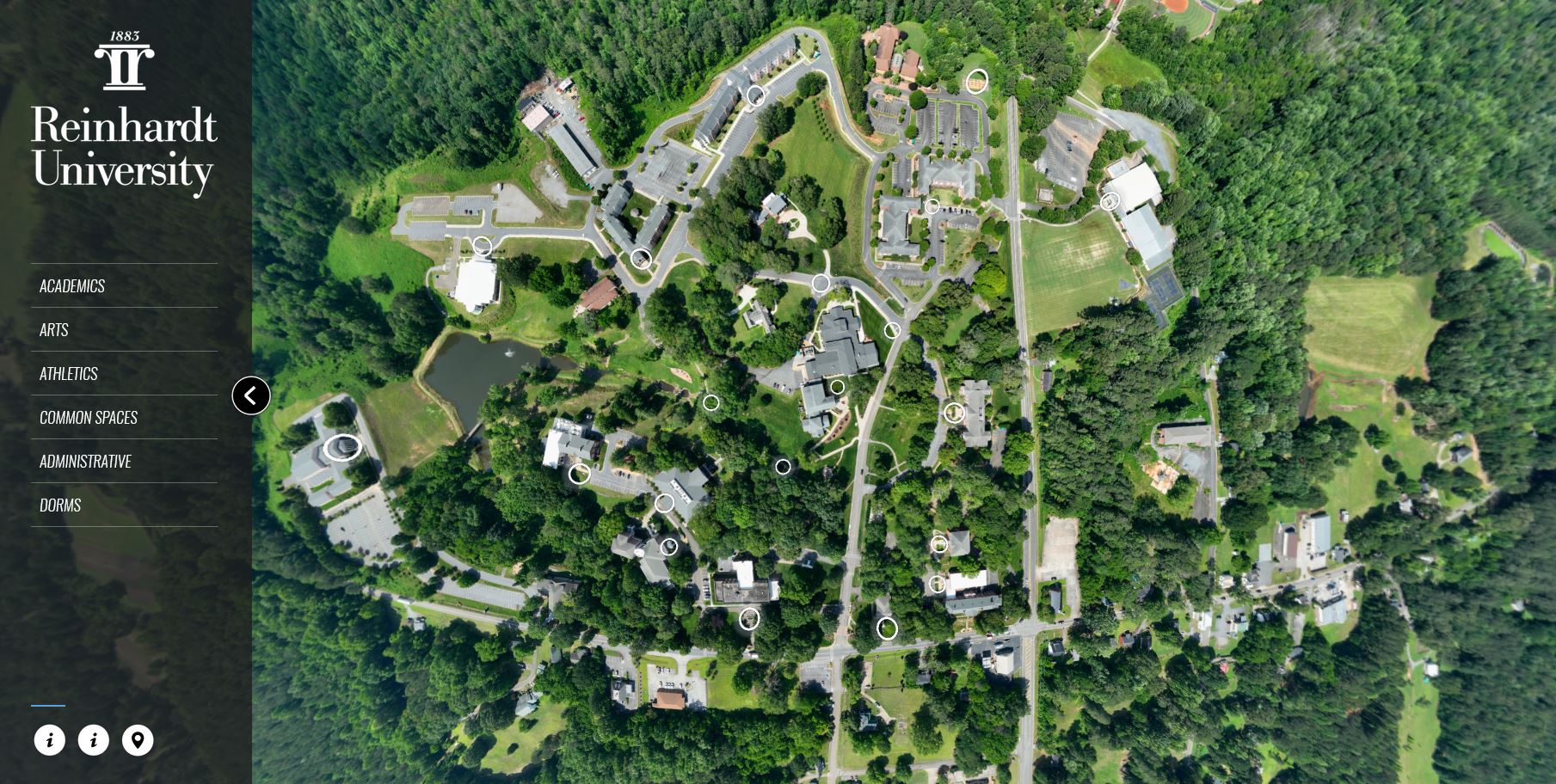
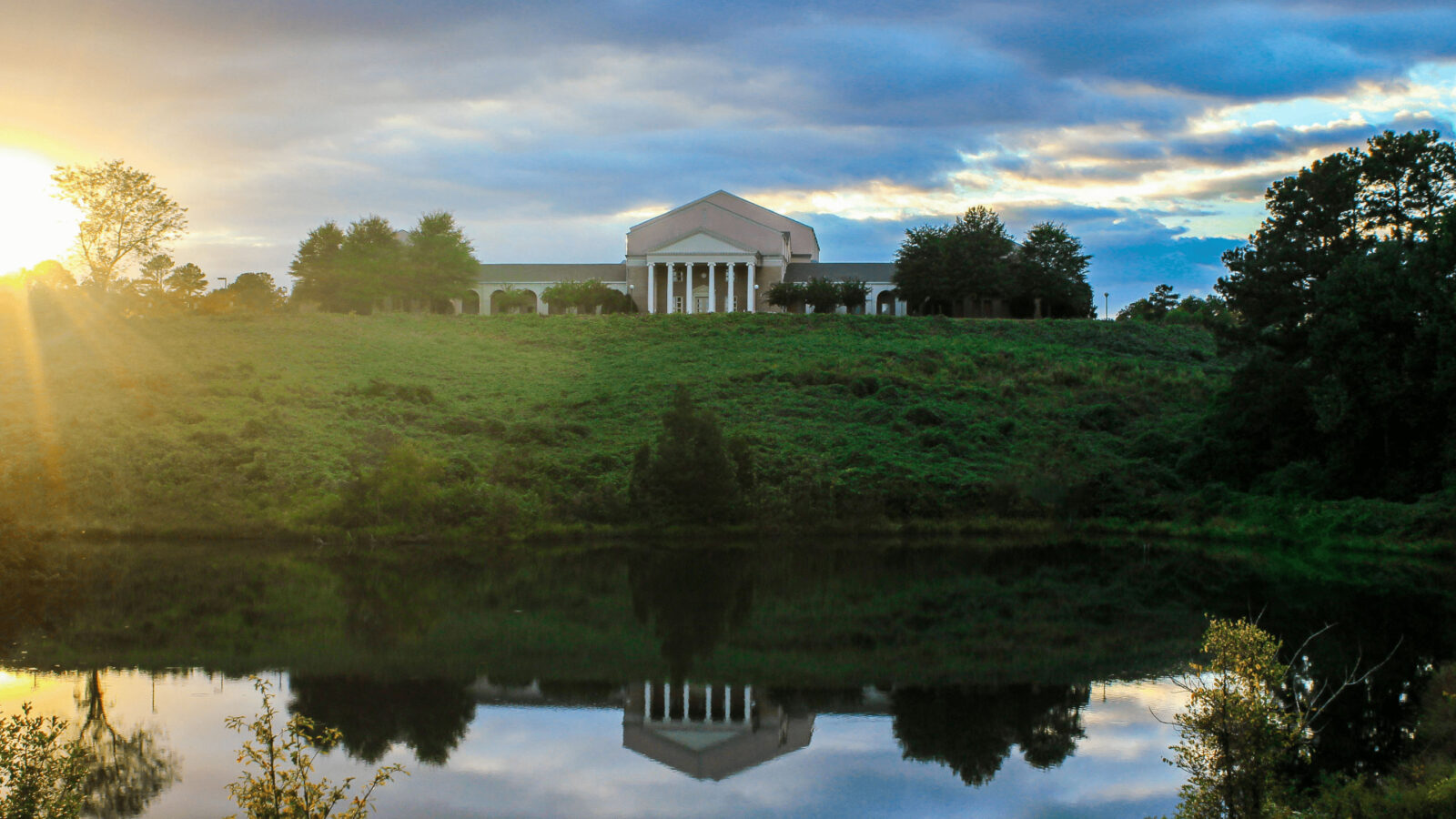
Life at Reinhardt is defined by its tight-knit, residential community and its picturesque setting in Waleska. A majority of students (59%) live in college-owned, -operated, or -affiliated housing, with the university emphasizing that living on campus is an essential part of the college experience that helps students adapt, connect with faculty, and build friendships. The remaining 41% live off-campus. Students consistently describe the campus as beautiful and possessing a cozy, small-school feel with a strong sense of community. Campus life is structured around getting involved, with opportunities through clubs, organizations, club sports, Greek life, and various societies. The university promotes an active event calendar and encourages students to check bulletin boards around campus to find groups that suit their interests. The overarching vibe is one of a welcoming community where diverse talents can grow and where students are encouraged to discover their passions and become leaders.
Post-graduation outcomes at Reinhardt present a mixed picture. The six-year graduation rate is 44%, a figure that places the university in the lower tier among regional colleges. However, roughly 85% of graduates are employed three years after completing their degrees. The median earnings for alumni six years after entry are approximately $40,411, which is about 8% below the typical outcomes for U.S. college graduates. The university's ranking reflects this; it is ranked #38 out of Regional Colleges South by U.S. News, with an overall score of 56 out of 100, where outcomes (including graduation rate) account for 57% of the score. The university has noted improvement, moving up one place in the rankings to 33rd in the Regional Colleges South category in a recent year.
Reinhardt University is a private institution with a sticker price of $32,500 for tuition and fees. However, the vast majority of students (74.01%) receive financial aid, with the average aid package totaling $23,633. This brings the average —the cost after scholarships and grants are applied—down significantly. Different sources report varying net price figures: one states $27,367, while another cites $27,507. The university provides a net price calculator for prospective students to get a personalized estimate, though it emphasizes that the financial aid office has the final word. Financial aid includes federal loans, with standard aggregate limits for undergraduate borrowers. The university offers its own scholarships and grants, but there is no indication in the provided sources that Reinhardt has a policy of meeting 100% of demonstrated financial need or a "no-loan" policy where loans are replaced with grants for low-income students.
Reinhardt University carves out its niche by offering a specific type of college experience: a small, personal, and community-oriented campus in a serene natural setting, distinct from Georgia's large research universities. Its standout features are its intimate scale—evident in the 13:1 student-faculty ratio and predominance of small classes—and its commitment to providing extensive academic support, including specialized services for students on the autism spectrum. It successfully blends a traditional liberal arts core with contemporary, in-demand programs like Artificial Intelligence and Nursing, appealing to students seeking both a broad education and direct career pathways. The overwhelmingly positive student descriptions of a "beautiful" and "cozy" campus with a strong community vibe are its most authentic marketing. However, it stands out in a more challenging sense through its graduation rate, which signals that the supportive environment does not automatically translate into degree completion for all who enroll, presenting a clear area for institutional focus and a key consideration for prospective students.
Reinhardt University seal · sourceCampus Virtual Tour Now Online - Reinhardt University · sourceReinhardt University Home · sourceVisit - Reinhardt University · source