Loading…
← All schools
Rocky Mountain College of Art and Design
Lakewood, COprivate forprofitrmcad.edu
Avg net price
$32,363
Earnings (10 yr)
$42,958
Graduation rate
32%
Acceptance & SAT from Common Data Set / IPEDS; net price, earnings & graduation from the U.S. Dept. of Education College Scorecard. Figures lag ~1–2 years — verify with the school.
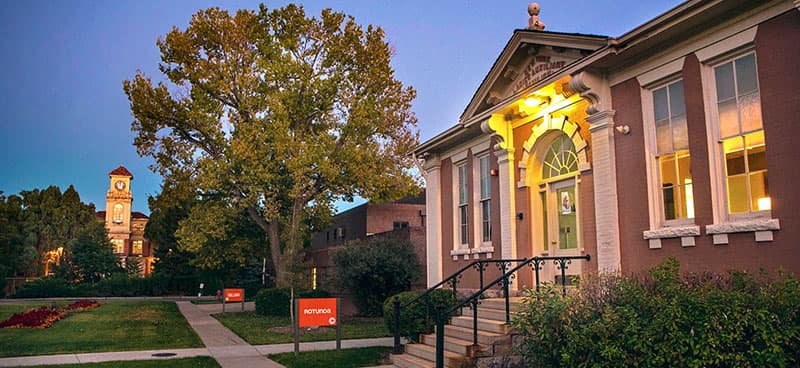
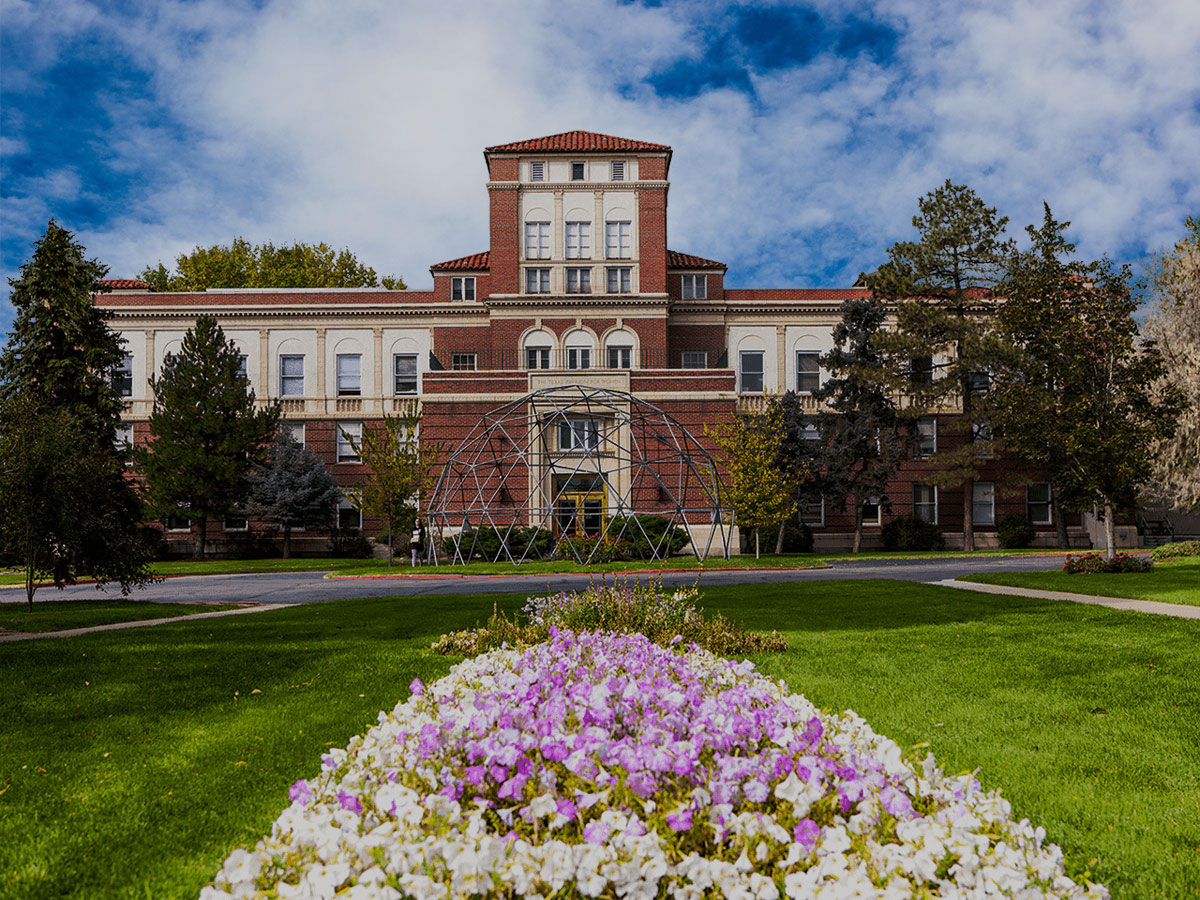
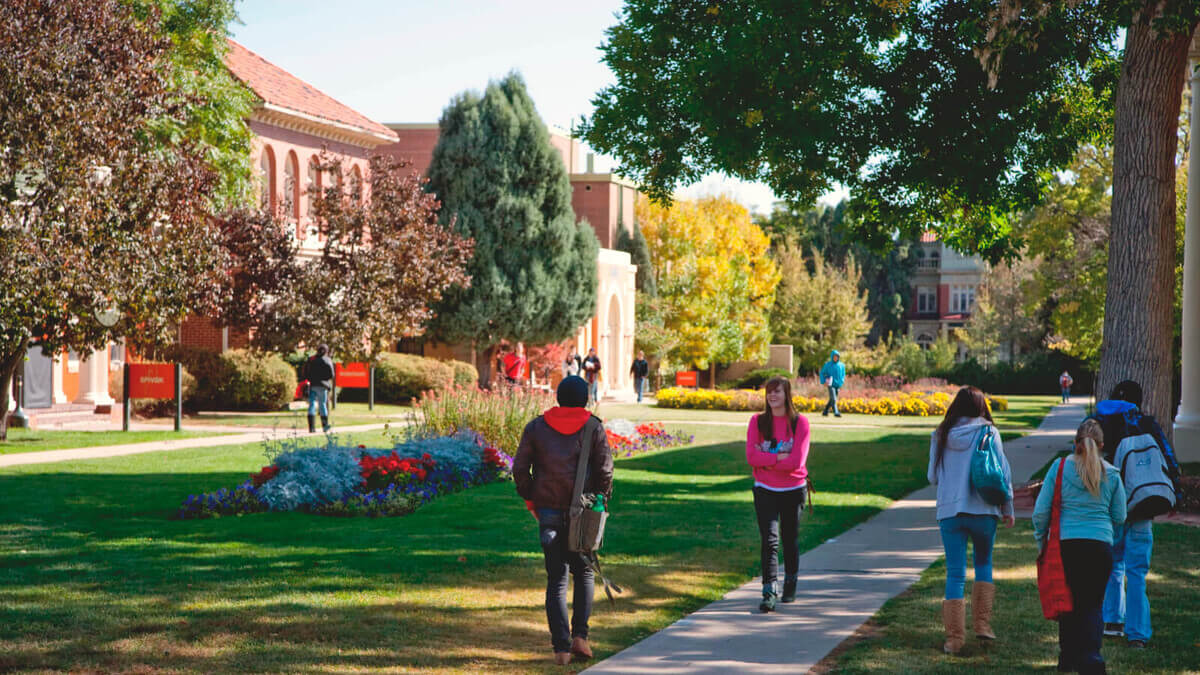
Rocky Mountain College of Art and Design (RMCAD) is a small, intensely focused private art school in Lakewood, Colorado, where the mission is singular: to turn creative passion into a professional career. With an open admissions policy and a curriculum built entirely around hands-on studio practice, it attracts students who are ready to dive headfirst into animation, illustration, graphic design, and interior design. The trade-off is a stark one—a tight-knit, immersive artistic community set against the challenges of low graduation rates and modest post-graduate earnings typical of many specialized art institutions.
More details
- Undergrad enrollment
- 2,050
- In-state tuition
- $20,190
- Out-of-state tuition
- $20,190
- Top Majors
- Interior Design, Illustration, Animation
- Campus Size
- 23 acres
- Graduation Rate
- 32%
- Median Earnings (10yr)
- $42,958
- Student-to-Faculty Ratio
- 12:1
- First-Year Retention Rate
- 54%
Outcomes & value
Outcomes & value
- Median earnings (10 yr)
- $42,958
- Value (earnings ÷ net price)
- 1.3×
- Median debt at graduation
- $31,000
- Graduation rate
- 32%
- First-year retention
- 54%
- Reducing loan balance (3 yr)
- 52%
- Pell (lower-income) share
- 48%
- First-gen share (among federal-aid recipients)
- 33%
Top-earning majors
Median earnings by field of study (highest credential), ~2 years after completion.
- Computer Software and Media Applications$35,274
- Design and Applied Arts$27,474
- Fine and Studio Arts$25,194
Source: U.S. Dept. of Education College Scorecard (field-of-study earnings). Figures cover graduates who received federal aid and lag ~2 years; not all programs report data.
Campus & location
Campus safety
- On-campus violent crimes (2024)
- 0
On-campus criminal offenses classed as violent (murder/non-negligent manslaughter, rape, robbery, aggravated assault) for the most recent reported year. Source: U.S. Dept. of Education Campus Safety and Security (Clery Act). Counts reflect what’s reported to the school, and urban campuses often report more partly due to non-student incidents nearby — read alongside campus size and setting, not as a standalone safety verdict.
Climate
- Pleasant days / yr
- 71
- Summer high
- 87°F
- Winter low
- 16°F
- Annual rain
- 16.1"
- Annual snow
- 42.7"
- Natural-hazard risk
- Relatively High
Pleasant days counts days per year with a mean temperature of 55–75°F, a high at or below 90°F, a low at or above 45°F, and little precipitation — a transparent comfort measure, not a weighting we invented. Computed from Open-Meteo ERA5 daily history (2019–2023). Natural-hazard risk is the county’s composite rating from the FEMA National Risk Index.
Deep dive — research, future-scholar output & economic mobility
Research output
- Institutional h-index
- 9
- Scholarly works
- 57
Institutional research volume and impact from OpenAlex. The h-index reflects large research universities and will be low for teaching-focused liberal-arts colleges — not a measure of undergraduate quality.
Quick answers
- How much does Rocky Mountain College of Art and Design cost?
- At Rocky Mountain College of Art and Design, the average net price (after aid) is about $32,363 per year. Actual cost varies with financial aid and residency.
- How many undergraduates attend Rocky Mountain College of Art and Design?
- Rocky Mountain College of Art and Design enrolls approximately 2,050 undergraduate students.
- Where is Rocky Mountain College of Art and Design located?
- Rocky Mountain College of Art and Design is located in Lakewood, CO.
Admissions
RMCAD operates with an open admissions philosophy, making it one of the most accessible art schools in the country. The process is designed to be a low barrier for aspiring artists, with multiple sources reporting an at or near 100%. The school does not require standardized test scores like the SAT or ACT for admission, focusing instead on a of the applicant's creative potential and academic background. The admissions office can be reached at [email protected] or by phone at 657-1026 (or toll-free at 877-6529). While the is a standard tool for understanding admissions factors at many colleges, the specific priorities and factor importance grid (like the consideration of demonstrated interest) for RMCAD are not detailed in the provided sources. The process appears straightforward, centered on the student's desire to pursue a creative education rather than on highly competitive academic metrics.
Compare Rocky Mountain College of Art and Design
See colleges similar to Rocky Mountain College of Art and Design →Sources
- [PDF] Common Data Set 2024-2025 - Rocky Mountain College
- Common Data Set - RMC - Rocky Mountain College
- [PDF] Common Data Set 2021-2022 - Colorado Department of Education
- Common Data Set: Home
- Rocky Mountain College of Art and Design - IPEDS
- How To Use a Common Data Set - The College Solution
- Rocky Mountain College of Art and Design Acceptance Rate
- Rocky Mountain College of Art & Design Requirements for Admission
- Rocky Mountain College of Art + Design (RMCAD)
- Rocky Mountain College of Art and Design Admissions