Loading…
← All schools
Salon Boutique Academy
Addison, TXprivate forprofitwww.salonboutiqueacademy.com/
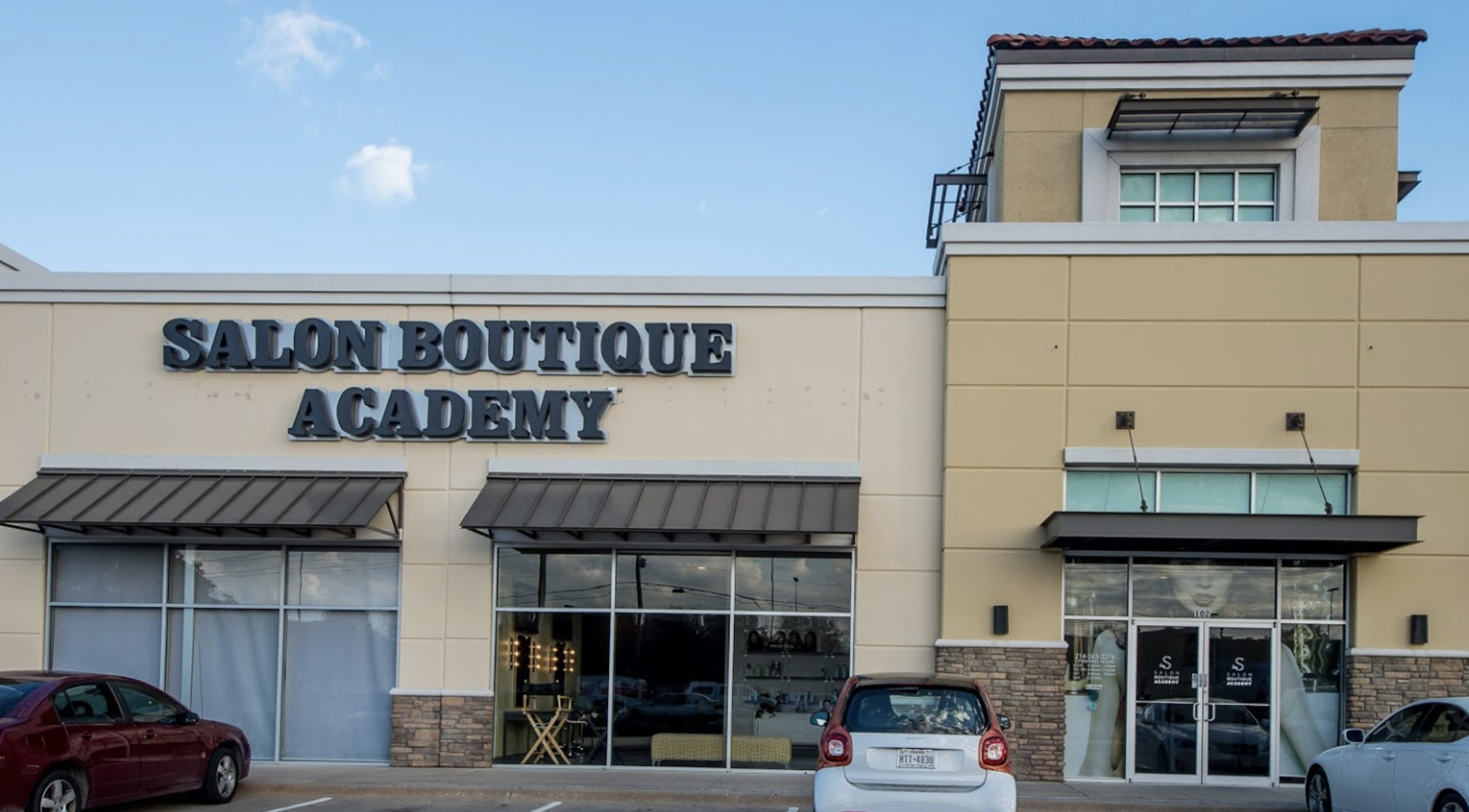
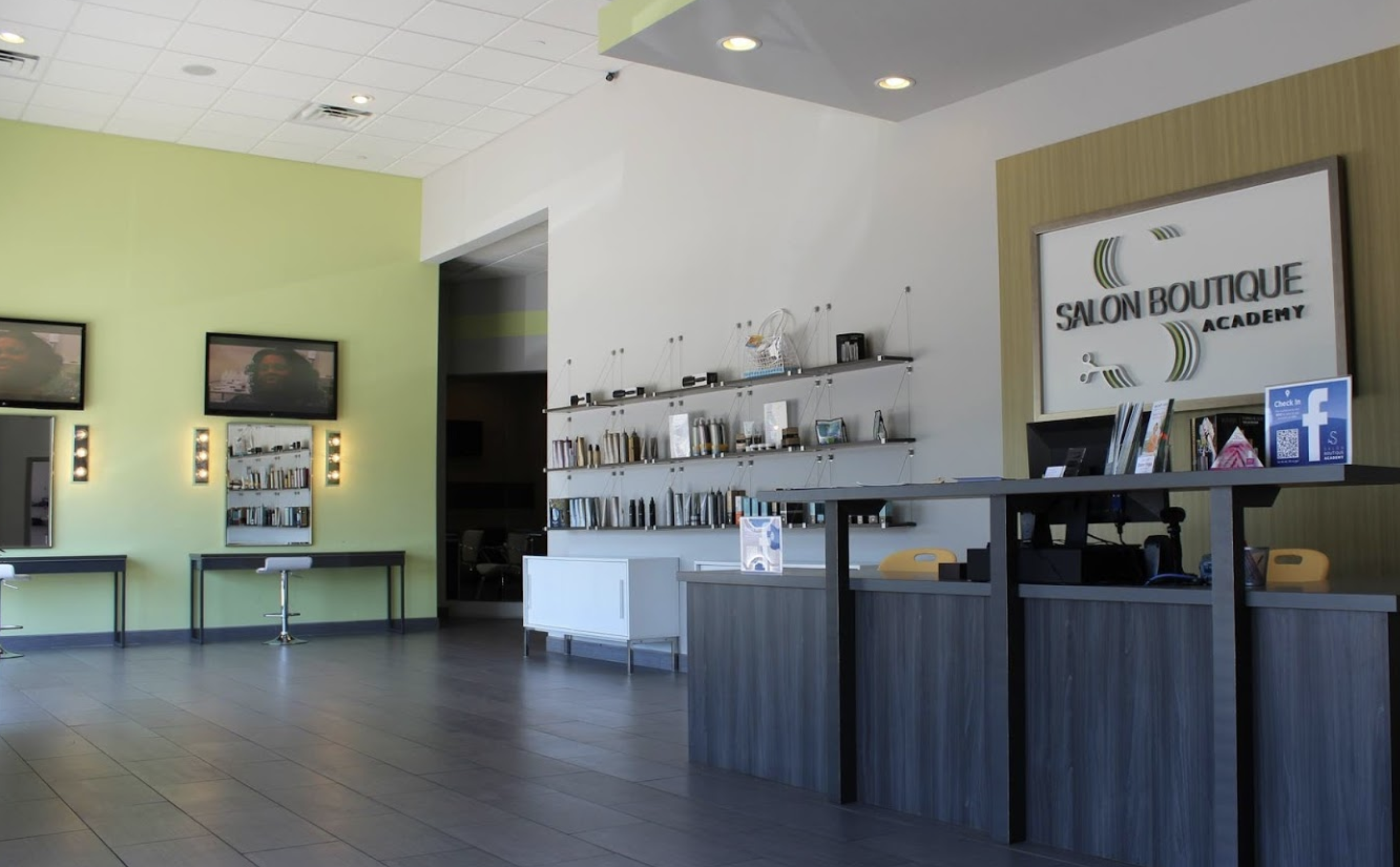
Salon Boutique Academy is a hyper-focused, for-profit trade school in Addison, Texas, that operates more like a professional apprenticeship than a traditional college. Its entire existence is dedicated to launching careers in cosmetology, esthetics, and makeup artistry through intensive, hands-on training in its on-campus student salon. With an open-admission policy and a curriculum built around client service, it offers a direct, pragmatic path into the beauty industry for those seeking a specific skill set over a broad liberal arts education.
More details
- Undergrad enrollment
- 200
- Program Focus
- Cosmetology, Esthetics, Makeup Artistry
- Graduation Rate
- 89%
- Average Grant Aid
- $3,496
- Percent Receiving Grant Aid
- 79%
- Median Earnings (4yr Post-Grad)
- $31,846
Outcomes & value
Outcomes & value
- Median debt at graduation
- $7,917
- Pell (lower-income) share
- 38%
- First-gen share (among federal-aid recipients)
- 41%
Earnings = median of students working ~10 years after entry; debt = median of graduates. Value divides 10-yr earnings by one year’s net price — read it as earnings per dollar of annual cost, not a full lifetime ROI; it favors lower-cost schools. Source: U.S. Dept. of Education College Scorecard. Figures lag ~2 years and reflect all students, not your intended major.
Financial health
2.1 / 3.0Meets the federal financial-responsibility standard
U.S. Dept. of Education Financial Responsibility Composite Score (FY2022-23). Scale −1.0 to 3.0; ≥1.5 meets the standard. Reported for private nonprofit & for-profit institutions only — public universities are state-backed and not scored, so this is a stability signal, not a ranking.
Campus & location
Campus safety
- On-campus violent crimes (2024)
- 0
On-campus criminal offenses classed as violent (murder/non-negligent manslaughter, rape, robbery, aggravated assault) for the most recent reported year. Source: U.S. Dept. of Education Campus Safety and Security (Clery Act). Counts reflect what’s reported to the school, and urban campuses often report more partly due to non-student incidents nearby — read alongside campus size and setting, not as a standalone safety verdict.
Climate
- Pleasant days / yr
- 97
- Summer high
- 94°F
- Winter low
- 40°F
- Annual rain
- 41.9"
- Annual snow
- 1.6"
- Natural-hazard risk
- Very High
Pleasant days counts days per year with a mean temperature of 55–75°F, a high at or below 90°F, a low at or above 45°F, and little precipitation — a transparent comfort measure, not a weighting we invented. Computed from Open-Meteo ERA5 daily history (2019–2023). Natural-hazard risk is the county’s composite rating from the FEMA National Risk Index.
Quick answers
- How much does Salon Boutique Academy cost?
- At Salon Boutique Academy, the average net price (after aid) is about $19,055 per year. Actual cost varies with financial aid and residency.
- How many undergraduates attend Salon Boutique Academy?
- Salon Boutique Academy enrolls approximately 200 undergraduate students.
- Where is Salon Boutique Academy located?
- Salon Boutique Academy is located in Addison, TX.
Admissions
Salon Boutique Academy maintains an open admission policy, meaning it admits virtually all applicants who have a secondary school diploma or GED equivalency. This is reflected in its reported 100% acceptance rate. The school does not require or report SAT or ACT scores for admission, positioning itself as an accessible entry point for career-focused education. The admissions process is straightforward, with detailed program and requirement information available through a downloadable student catalog. As a specialized trade school, it does not participate in early decision or early action admission plans, and factors like demonstrated interest—common in selective college admissions—are not part of its evaluative framework.
Compare Salon Boutique Academy
See colleges similar to Salon Boutique Academy →Sources
- Salon Boutique Academy - Data USA
- Salon Boutique Academy - IPEDS - Department of Education
- Salon Boutique Academy Tuition, Acceptance Rate, & Academics
- Finance - SALON BOUTIQUE ACADEMY
- [PDF] 1 | P a g e February 25, 2025 - Squarespace
- Salon Boutique Academy Statistics - Overgrad
- Salon Boutique Academy — Acceptance Rate, Costs & More
- Salon Boutique Academy - Niche
- Landing - SALON BOUTIQUE ACADEMY
- Salon Boutique Academy | EDsmart College Rankings 2026
- SALON BOUTIQUE ACADEMY