Loading…
← All schools
Salon Professional Academy
Howell, NJprivate forprofittspahowell.com
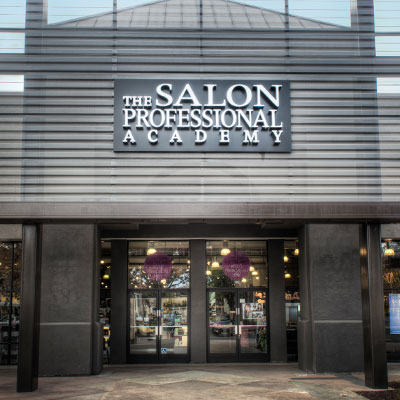
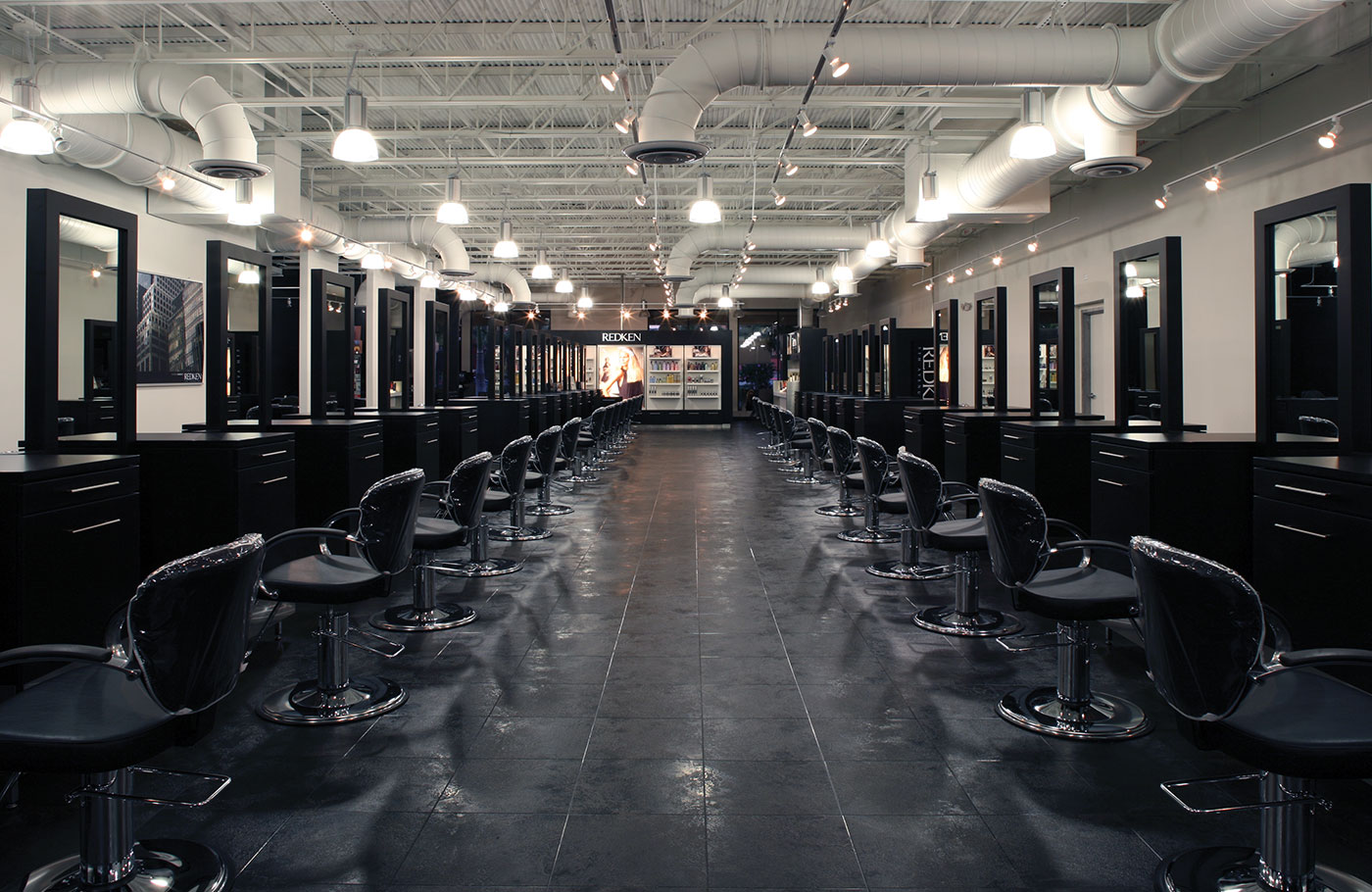
The Salon Professional Academy (TSPA) in Howell, New Jersey, is a singular, career-focused institution where the classroom is a working salon and the curriculum is pure craft. It's a place for those who want to build a career with their hands, not just a transcript, offering an immersive, high-energy environment dedicated entirely to cosmetology and esthetics. Forget lectures and dorms; here, the focus is on technical mastery, business savvy, and the kind of confident, creative professionalism that gets you hired.
More details
- Undergrad enrollment
- 237
- Financial Aid
- Available to those who qualify (FAFSA)
- Primary Major
- Cosmetology/Cosmetologist, General
- Median Earnings (10yr)
- $35,007
- Student Body Demographics
- Predominantly White Female
- Licensure Rate (Howell Cosmetology)
- 100%
- Placement Rate (Howell Cosmetology)
- 100%
- Graduation Rate (Howell Cosmetology)
- 89.47%
Outcomes & value
Outcomes & value
- Pell (lower-income) share
- 32%
Earnings = median of students working ~10 years after entry; debt = median of graduates. Value divides 10-yr earnings by one year’s net price — read it as earnings per dollar of annual cost, not a full lifetime ROI; it favors lower-cost schools. Source: U.S. Dept. of Education College Scorecard. Figures lag ~2 years and reflect all students, not your intended major.
Campus & location
Campus safety
- On-campus violent crimes (2024)
- 0
On-campus criminal offenses classed as violent (murder/non-negligent manslaughter, rape, robbery, aggravated assault) for the most recent reported year. Source: U.S. Dept. of Education Campus Safety and Security (Clery Act). Counts reflect what’s reported to the school, and urban campuses often report more partly due to non-student incidents nearby — read alongside campus size and setting, not as a standalone safety verdict.
Climate
- Pleasant days / yr
- 90
- Summer high
- 84°F
- Winter low
- 30°F
- Annual rain
- 52.8"
- Annual snow
- 14"
- Natural-hazard risk
- Relatively High
Pleasant days counts days per year with a mean temperature of 55–75°F, a high at or below 90°F, a low at or above 45°F, and little precipitation — a transparent comfort measure, not a weighting we invented. Computed from Open-Meteo ERA5 daily history (2019–2023). Natural-hazard risk is the county’s composite rating from the FEMA National Risk Index.
Quick answers
- How much does Salon Professional Academy cost?
- At Salon Professional Academy, the average net price (after aid) is about $17,492 per year. Actual cost varies with financial aid and residency.
- How many undergraduates attend Salon Professional Academy?
- Salon Professional Academy enrolls approximately 237 undergraduate students.
- Where is Salon Professional Academy located?
- Salon Professional Academy is located in Howell, NJ.
Admissions
Admission to The Salon Professional Academy is defined by its open-access, career-training mission. The process is straightforward and designed to assess a prospective student's commitment to the field, not to create an academic hurdle. Multiple sources across the TSPA network describe an open admission policy, meaning the school accepts most, if not all, first-time undergraduate students who meet the basic requirements. As one source puts it, the academy "does not admit ability-to-benefit students," focusing instead on those with a clear educational background and aptitude for the trade.
The application checklist is practical: a completed enrollment form, a $100 application fee, and proof of high school graduation or its equivalent. The academy encourages early enrollment to secure a spot in upcoming class cohorts. There is no mention of standardized test scores (SAT/ACT) being required or considered, nor are recommendations part of the process. The demographic profile of the student body is overwhelmingly female and white, with data from one campus showing a full-time undergraduate population that is 75.8% White Female.
Compare Salon Professional Academy
See colleges similar to Salon Professional Academy →Sources
- The Salon Professional Academy
- The Salon Professional Academy-Cedar Falls Statistics
- Admissions - The Salon Professional Academy
- Tips for Enrolling at TSPA San Jose
- The Salon Professional Academy - San Jose
- The Salon Professional Academy-Nampa Application Guide
- The Salon Professional Academy - Appleton
- The Salon Professional Academy Admissions - BigFuture
- The Salon Professional Academy - Sallie
- The Salon Professional Academy Colorado Springs Admission