Loading…
← All schools
Salon Professional Academy of San Antonio
San Antonio, TXprivate forprofitwww.tspasanantonio.com/
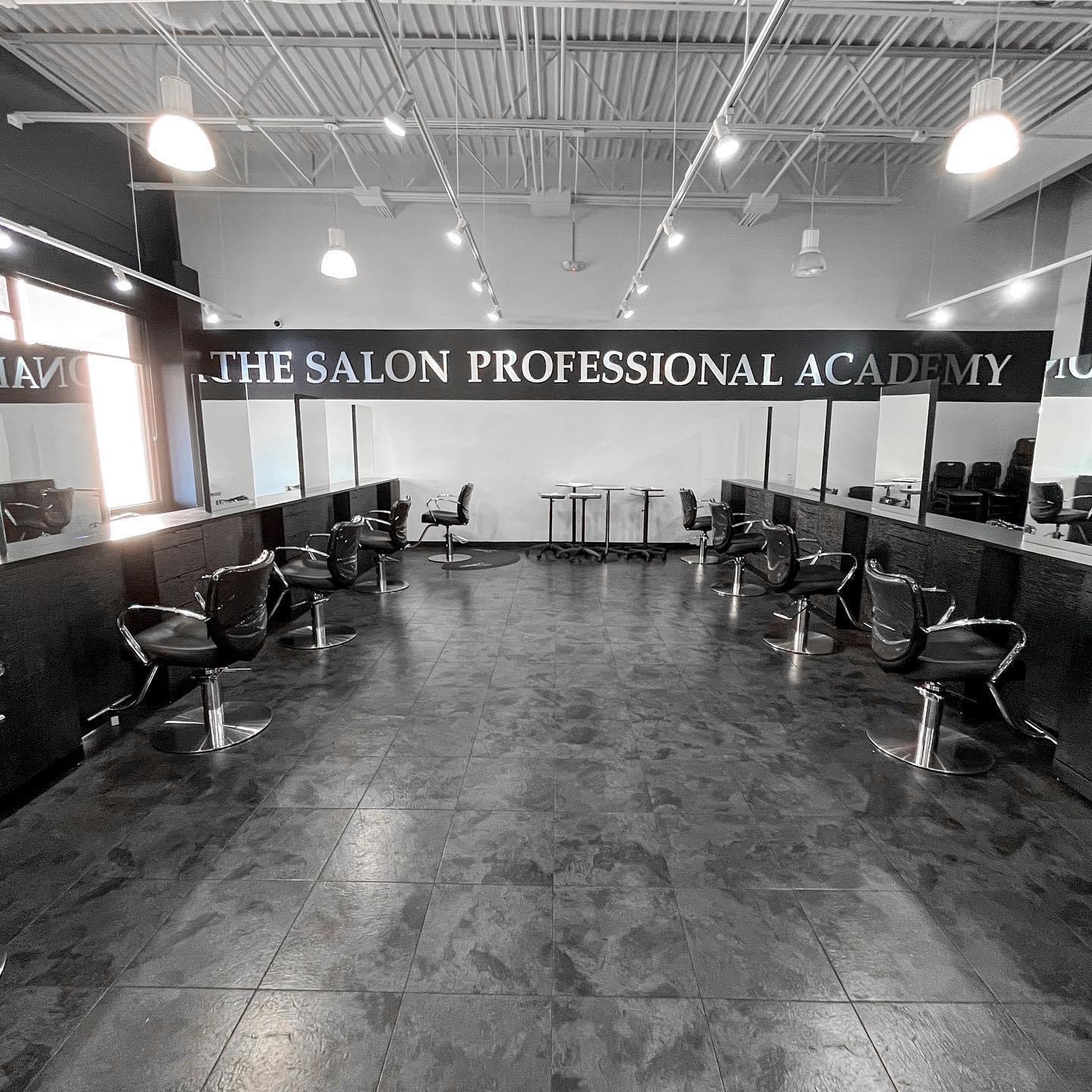
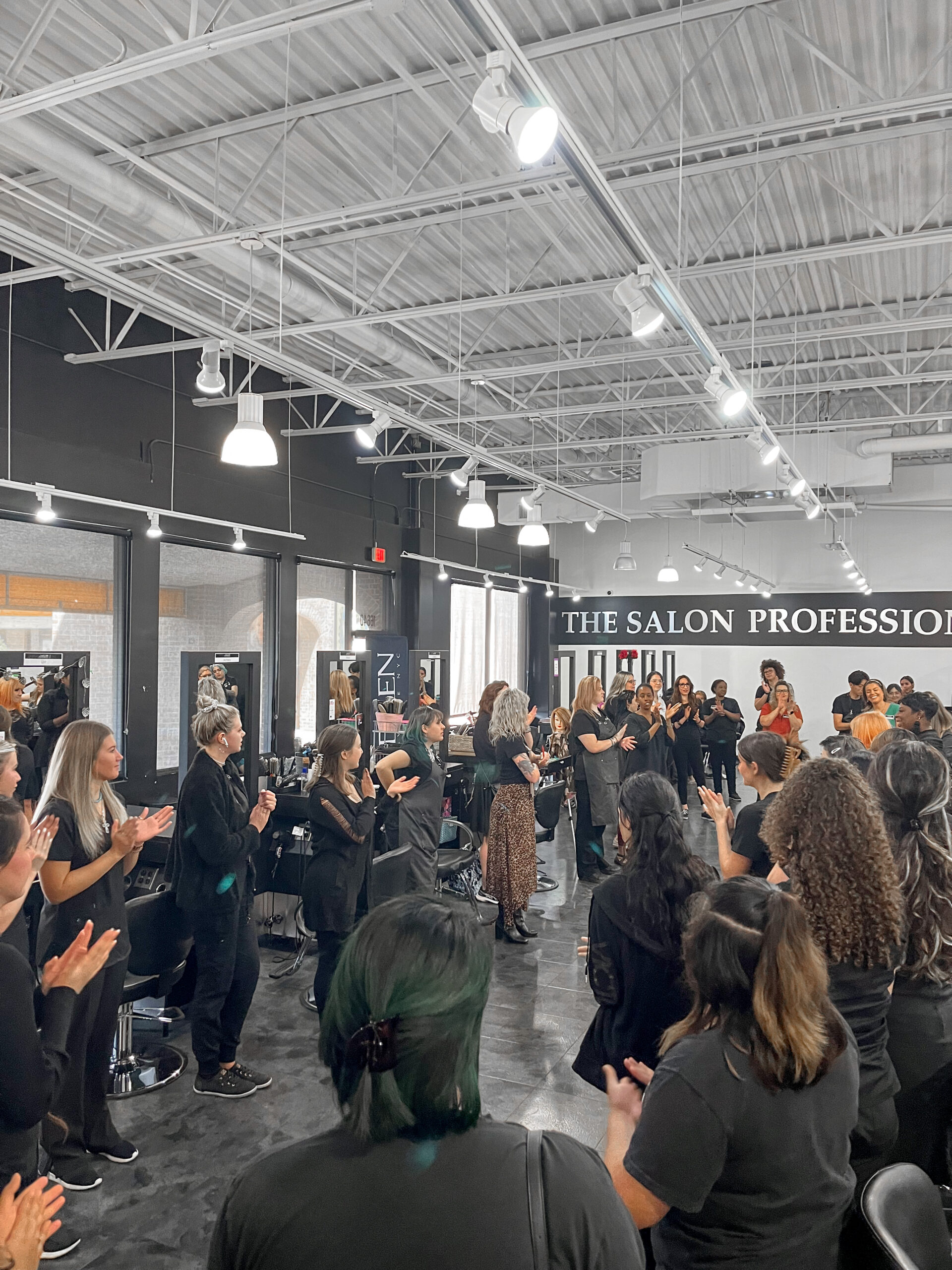
The Salon Professional Academy of San Antonio isn't a traditional liberal arts college; it's a hyper-focused trade school where the entire curriculum revolves around the beauty industry. With a single, laser-focused mission—to turn students into licensed, salon-ready professionals—it operates more like an intensive apprenticeship than a campus. The vibe is hands-on, practical, and fast-paced, built on a model of 'European-inspired education' and small classes where students learn directly from working industry professionals. For those certain of their path into cosmetology or esthetics, it offers a direct, no-frills pipeline into the field.
More details
- Undergrad enrollment
- 94
- Primary Major
- Cosmetology/Cosmetologist, General
- Retention Rate
- 85%
- Graduation Rate
- 83%
- Student-Faculty Ratio
- 10:1
Outcomes & value
Outcomes & value
- Median debt at graduation
- $7,917
- Pell (lower-income) share
- 63%
Earnings = median of students working ~10 years after entry; debt = median of graduates. Value divides 10-yr earnings by one year’s net price — read it as earnings per dollar of annual cost, not a full lifetime ROI; it favors lower-cost schools. Source: U.S. Dept. of Education College Scorecard. Figures lag ~2 years and reflect all students, not your intended major.
Campus & location
Campus safety
- On-campus violent crimes (2024)
- 0
On-campus criminal offenses classed as violent (murder/non-negligent manslaughter, rape, robbery, aggravated assault) for the most recent reported year. Source: U.S. Dept. of Education Campus Safety and Security (Clery Act). Counts reflect what’s reported to the school, and urban campuses often report more partly due to non-student incidents nearby — read alongside campus size and setting, not as a standalone safety verdict.
Climate
- Pleasant days / yr
- 104
- Summer high
- 94°F
- Winter low
- 45°F
- Annual rain
- 40.2"
- Annual snow
- 1"
- Natural-hazard risk
- Relatively High
Pleasant days counts days per year with a mean temperature of 55–75°F, a high at or below 90°F, a low at or above 45°F, and little precipitation — a transparent comfort measure, not a weighting we invented. Computed from Open-Meteo ERA5 daily history (2019–2023). Natural-hazard risk is the county’s composite rating from the FEMA National Risk Index.
Quick answers
- How much does Salon Professional Academy of San Antonio cost?
- At Salon Professional Academy of San Antonio, the average net price (after aid) is about $15,403 per year. Actual cost varies with financial aid and residency.
- How many undergraduates attend Salon Professional Academy of San Antonio?
- Salon Professional Academy of San Antonio enrolls approximately 94 undergraduate students.
- Where is Salon Professional Academy of San Antonio located?
- Salon Professional Academy of San Antonio is located in San Antonio, TX.
Admissions
Admissions at The Salon Professional Academy of San Antonio is straightforward and open-access, reflecting its mission as a vocational school. The process is designed for career-changers and recent high school graduates seeking specific technical training, not for students navigating a complex, . The school reports a 100% , indicating that meeting basic eligibility requirements is the primary hurdle. There is no mention of SAT or ACT scores being required for admission; the College Scorecard lists the admission test score policy as 'unknown,' and the school's own materials focus on program details and financial aid, not standardized testing. Prospective students are directed to contact the admissions team directly by phone for information, with the campus located at 16640 San Pedro Ave. in San Antonio. The process appears to prioritize direct communication and program fit over competitive selection.
Academics
The academic offering is singular and intensive: the school exists to train cosmetologists and estheticians. It offers only one major: Cosmetology/Cosmetologist, General. A related Esthetics program is also advertised. The curriculum is entirely hands-on and designed for immediate vocational application. The school emphasizes 'State Board Approved & Licensed' programs, 'Hands-On Training,' and learning from 'Experienced, Passionate' instructors. The student-faculty ratio is notably low, reported at 12:1 by one source and 10:1 by another, which facilitates the personalized, practical instruction central to its model. The institution boasts a network of over 25,000 graduates, framing its education as a proven pathway into the beauty and wellness industry. There are no general education requirements or elective courses; every hour of instruction is geared toward mastering technical skills, business and marketing knowledge, and guest-handling techniques needed for salon success.
Compare Salon Professional Academy of San Antonio
See colleges similar to Salon Professional Academy of San Antonio →Sources
- Common Data Sets - San Antonio
- The Salon Professional Academy San Antonio: Cosmetology ...
- The Salon Professional Academy-Kenosha - IPEDS
- The Salon Professional Academy-Ft Myers
- Data Resources | UP Partnership | Unlocking Education Data
- Common Data Set 2024-2025
- Salon Professional Academy of San Antonio
- Salon Professional Academy of San Antonio
- Salon Professional Academy of San Antonio
- What Clients Say About The Salon Professional Academy ...