Loading…
← All schools
Sami Halaseh Institute
Andover, KSprivate forprofitsamihalasehinstitute.com
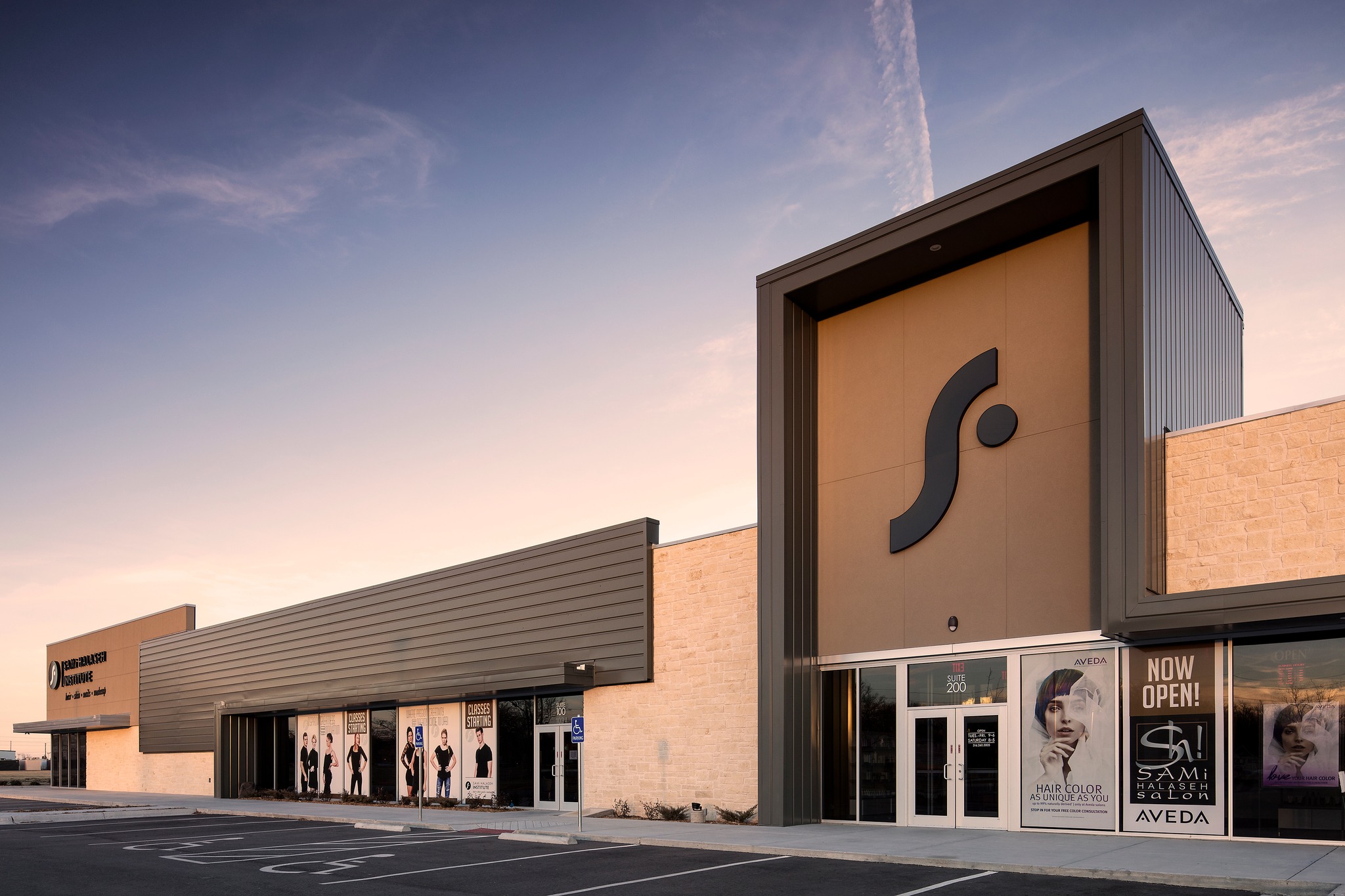
The Sami Halaseh Institute is not a traditional liberal arts college but a highly focused, accredited beauty school in Andover, Kansas, founded by celebrity stylist Sami Halaseh. It operates with an open admissions policy, accepting virtually all applicants into its intensive, hands-on programs in cosmetology, esthetics, and nail technology. The environment is defined by a tiny student body, extremely low student-faculty ratios, and a singular mission: preparing students for state licensure and immediate careers in the beauty industry.
More details
- Undergrad enrollment
- 30
- No-Loan Policy
- No
- Graduation Rate
- 73%
- Meets Full Need
- No
- Demonstrated Interest
- Not considered
- Student-Faculty Ratio
- 6:1
- Average Grant Aid Awarded
- $5,447 per year
- First-Year Retention Rate
- 95%
Outcomes & value
Outcomes & value
- Pell (lower-income) share
- 24%
Earnings = median of students working ~10 years after entry; debt = median of graduates. Value divides 10-yr earnings by one year’s net price — read it as earnings per dollar of annual cost, not a full lifetime ROI; it favors lower-cost schools. Source: U.S. Dept. of Education College Scorecard. Figures lag ~2 years and reflect all students, not your intended major.
Financial health
1.8 / 3.0Meets the federal financial-responsibility standard
U.S. Dept. of Education Financial Responsibility Composite Score (FY2022-23). Scale −1.0 to 3.0; ≥1.5 meets the standard. Reported for private nonprofit & for-profit institutions only — public universities are state-backed and not scored, so this is a stability signal, not a ranking.
Campus & location
Campus safety
- On-campus violent crimes (2024)
- 0
On-campus criminal offenses classed as violent (murder/non-negligent manslaughter, rape, robbery, aggravated assault) for the most recent reported year. Source: U.S. Dept. of Education Campus Safety and Security (Clery Act). Counts reflect what’s reported to the school, and urban campuses often report more partly due to non-student incidents nearby — read alongside campus size and setting, not as a standalone safety verdict.
Climate
- Pleasant days / yr
- 77
- Summer high
- 89°F
- Winter low
- 27°F
- Annual rain
- 28.2"
- Annual snow
- 12.6"
- Natural-hazard risk
- Relatively Low
Pleasant days counts days per year with a mean temperature of 55–75°F, a high at or below 90°F, a low at or above 45°F, and little precipitation — a transparent comfort measure, not a weighting we invented. Computed from Open-Meteo ERA5 daily history (2019–2023). Natural-hazard risk is the county’s composite rating from the FEMA National Risk Index.
Quick answers
- How much does Sami Halaseh Institute cost?
- At Sami Halaseh Institute, the average net price (after aid) is about $15,932 per year. Actual cost varies with financial aid and residency.
- How many undergraduates attend Sami Halaseh Institute?
- Sami Halaseh Institute enrolls approximately 30 undergraduate students.
- Where is Sami Halaseh Institute located?
- Sami Halaseh Institute is located in Andover, KS.
Admissions
Admissions at Sami Halaseh Institute is fundamentally different from the selective, process of a four-year university. The institute reports a 100% , indicating what is essentially an open admission policy where virtually all secondary school graduates or students with GED equivalency diplomas are admitted. There is no mention of a selective process based on GPA, test scores, or class rank; the College Scorecard notes the school's SAT/ACT policy is 'unknown.' The admissions page focuses on practical steps: completing an application, scheduling a required 'shadow day' to tour the school and observe programs, and finalizing enrollment with the help of the institute's team. This process is designed for accessibility and simplicity, aligning with the school's vocational mission. There is no evidence of an Early Decision or Early Action program, nor is there any indication that demonstrated interest—a factor some colleges weigh—plays a role in admissions decisions here.
Compare Sami Halaseh Institute
See colleges similar to Sami Halaseh Institute →Sources
- Common Data Set: Home
- Decoding the Common Data Set What You Need to Know for Your College ...
- Student Consumer Information | Sami Halaseh Institute KS
- How To Use a Common Data Set
- Common Data Set
- Common Data Set 2021-2022
- Sami Halaseh Institute
- Sami Halaseh Institute Admissions, Cost, Programs & ...
- Sami Halaseh Institute
- Sami Halaseh Institute | College Scorecard
- Admissions
- Sami Halaseh Institute: Beauty School near Wichita, KS