Loading…
← All schools
Shear Finesse Beauty Academy
Jacksonville, FLprivate forprofitwww.shearfinessehairacademy.com/
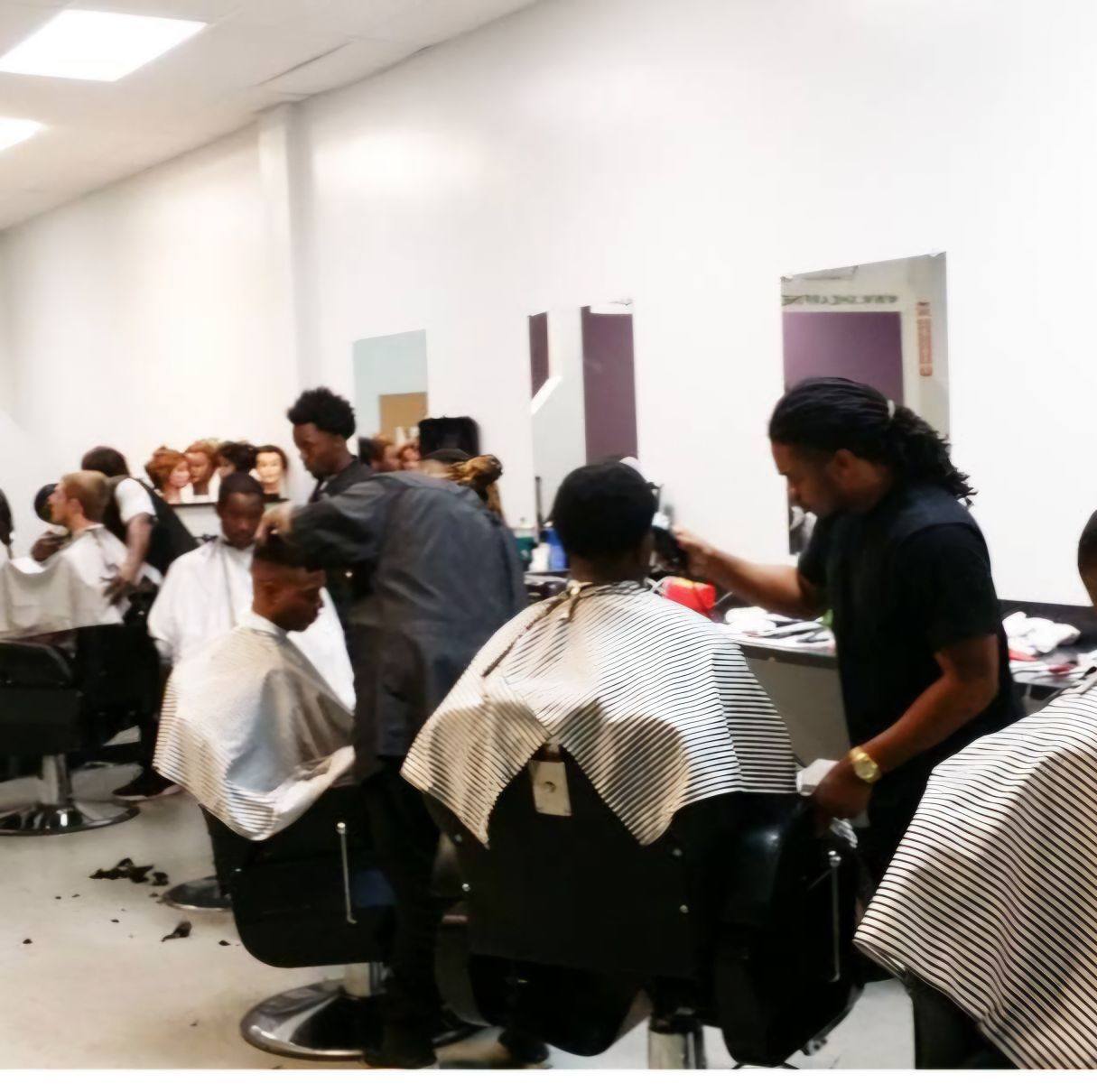
Shear Finesse Beauty Academy is a tiny, hyper-focused trade school in Jacksonville, Florida, where the entire curriculum is built around the salon chair. With just 49 students and a handful of tightly structured programs in cosmetology and barbering, it operates more like an intensive apprenticeship than a traditional college. The vibe is practical, professional, and intensely hands-on, designed to fast-track students into the beauty industry with the required state licenses.
More details
- Undergrad enrollment
- 49
- Location
- Jacksonville, FL (Urban)
- Licensing
- Florida Commission for Independent Education (#3981)
- Accreditation
- NACCAS
- Popular Majors
- Barbering, Cosmetology, Facial Treatment
- Institution Type
- Private, for-profit trade school
- Veterans Approved
- Yes
- Student-Faculty Ratio
- 6:1
- Graduation Rate (6-yr)
- 54%
Outcomes & value
Outcomes & value
- Pell (lower-income) share
- 57%
Earnings = median of students working ~10 years after entry; debt = median of graduates. Value divides 10-yr earnings by one year’s net price — read it as earnings per dollar of annual cost, not a full lifetime ROI; it favors lower-cost schools. Source: U.S. Dept. of Education College Scorecard. Figures lag ~2 years and reflect all students, not your intended major.
Financial health
1.6 / 3.0Meets the federal financial-responsibility standard
U.S. Dept. of Education Financial Responsibility Composite Score (FY2022-23). Scale −1.0 to 3.0; ≥1.5 meets the standard. Reported for private nonprofit & for-profit institutions only — public universities are state-backed and not scored, so this is a stability signal, not a ranking.
Campus & location
Campus safety
- On-campus violent crimes (2024)
- 0
On-campus criminal offenses classed as violent (murder/non-negligent manslaughter, rape, robbery, aggravated assault) for the most recent reported year. Source: U.S. Dept. of Education Campus Safety and Security (Clery Act). Counts reflect what’s reported to the school, and urban campuses often report more partly due to non-student incidents nearby — read alongside campus size and setting, not as a standalone safety verdict.
Climate
- Pleasant days / yr
- 134
- Summer high
- 88°F
- Winter low
- 51°F
- Annual rain
- 51.1"
- Natural-hazard risk
- Relatively High
Pleasant days counts days per year with a mean temperature of 55–75°F, a high at or below 90°F, a low at or above 45°F, and little precipitation — a transparent comfort measure, not a weighting we invented. Computed from Open-Meteo ERA5 daily history (2019–2023). Natural-hazard risk is the county’s composite rating from the FEMA National Risk Index.
Quick answers
- How much does Shear Finesse Beauty Academy cost?
- At Shear Finesse Beauty Academy, the average net price (after aid) is about $24,584 per year. Actual cost varies with financial aid and residency.
- How many undergraduates attend Shear Finesse Beauty Academy?
- Shear Finesse Beauty Academy enrolls approximately 49 undergraduate students.
- Where is Shear Finesse Beauty Academy located?
- Shear Finesse Beauty Academy is located in Jacksonville, FL.
Admissions
Admissions at Shear Finesse is a straightforward, vocational process focused on basic eligibility rather than competitive selection. The primary requirement is age: applicants must be at least 16 years old, proven with a birth certificate, driver's license, state ID, or passport. The academy states that admissions decisions are based on "merit, including each applicant's interest, aptitude, and ability." There is a $50 application fee. Unlike traditional undergraduate programs, there is no available data on , SAT/ACT ranges, or early decision plans—this is a career school where the gatekeeper is ultimately a student's commitment to completing the required clock hours. The student body is small, with total enrollment reported at 49 students, all of whom are full-time.
Academics
The academic model is pure tradecraft: a limited set of state-licensed programs delivered through rigorous, clock-hour-based training. The academy offers just a few majors: , , , and . The Cosmetology program, for example, is a 1,200-hour course where students are tested at the end of each subject and must pass with a score of at least 80%. The environment is intensely hands-on, designed to provide the "knowledge and hands-on training needed to work in the beauty and health industry." With a remarkably low student-to-faculty ratio of 6:1, instruction is personal and direct. The institution is accredited by the National Accrediting Commission of Career Arts & Sciences (NACCAS) and licensed by the Florida Commission for Independent Education.
Compare Shear Finesse Beauty Academy
See colleges similar to Shear Finesse Beauty Academy →Sources
- Shear Finesse Beauty Academy - Sallie
- Shear Finesse Beauty Academy
- Shear Finesse Beauty Academy | College Scorecard
- College Degrees Data for Shear Finesse Beauty Academy
- Vol. 10 2018-2019
- Shear Finesse Beauty Academy Acceptance Rate, SAT ...
- Shear Finesse Beauty Academy Admissions - BigFuture
- Cosmetology - SHEAR FINESSE BEAUTY ACADEMY
- Shear Finesse Beauty Academy | Jacksonville FL
- Shear Finesse Beauty Academy