Admit rate has ranged 9%–52% over the last 5 years — notably volatile. Source: IPEDS via Urban Institute.
Acceptance & SAT from Common Data Set / IPEDS; net price, earnings & graduation from the U.S. Dept. of Education College Scorecard. Figures lag ~1–2 years — verify with the school.
Signature Healthcare Brockton Hospital School of Nursing is a singular institution: a private, hospital-based diploma program that feels more like an intensive professional apprenticeship than a traditional college. With a tight 7:1 student-faculty ratio and a curriculum built directly into a working hospital, it produces nurses who are exceptionally prepared for the realities of the floor. Its 94% NCLEX pass rate and strong graduate earnings speak to a model that, while niche, delivers remarkable results for students focused purely on launching a nursing career.
Admission requirements
Test-blind — scores not considered
Required
High school transcript
Considered (not required)
Grade point average
Class rank
Letters of recommendation
College-prep program
Demonstrated competencies
Source: IPEDS Admissions survey (2022) via Urban Institute. Covers formal factors only — it does not reflect essays, extracurriculars, or other holistic criteria.
More details
Undergrad enrollment
146
Program Type
Hospital-based Nursing Diploma
Annual Student Body
~250
Student-Faculty Ratio
7:1
Median Earnings (10yr)
$88,084
NCLEX Pass Rate (2025)
94%
Outcomes & value
Outcomes & value
Median earnings (10 yr)
$88,084
Value (earnings ÷ net price)
3.9×
Median debt at graduation
$20,000
Reducing loan balance (3 yr)
55%
Pell (lower-income) share
51%
First-gen share (among federal-aid recipients)
49%
Earnings = median of students working ~10 years after entry; debt = median of graduates. Value divides 10-yr earnings by one year’s net price — read it as earnings per dollar of annual cost, not a full lifetime ROI; it favors lower-cost schools. Source: U.S. Dept. of Education College Scorecard. Figures lag ~2 years and reflect all students, not your intended major.
Campus & location
Campus safety
On-campus violent crimes (2024)
0
On-campus criminal offenses classed as violent (murder/non-negligent manslaughter, rape, robbery, aggravated assault) for the most recent reported year. Source: U.S. Dept. of Education Campus Safety and Security (Clery Act). Counts reflect what’s reported to the school, and urban campuses often report more partly due to non-student incidents nearby — read alongside campus size and setting, not as a standalone safety verdict.
Climate
Pleasant days / yr
92
Summer high
81°F
Winter low
26°F
Annual rain
51.4"
Annual snow
30.4"
Natural-hazard risk
Relatively Moderate
Pleasant days counts days per year with a mean temperature of 55–75°F, a high at or below 90°F, a low at or above 45°F, and little precipitation — a transparent comfort measure, not a weighting we invented. Computed from Open-Meteo ERA5 daily history (2019–2023). Natural-hazard risk is the county’s composite rating from the FEMA National Risk Index.
Quick answers
What is the acceptance rate at Signature Healthcare Brockton Hospital School of Nursing?
Signature Healthcare Brockton Hospital School of Nursing's acceptance rate is approximately 34% (Brockton, MA), based on the most recent figures we compiled from public and primary sources.
How much does Signature Healthcare Brockton Hospital School of Nursing cost?
At Signature Healthcare Brockton Hospital School of Nursing, the average net price (after aid) is about $22,761 per year. Actual cost varies with financial aid and residency.
How many undergraduates attend Signature Healthcare Brockton Hospital School of Nursing?
Signature Healthcare Brockton Hospital School of Nursing enrolls approximately 146 undergraduate students.
Where is Signature Healthcare Brockton Hospital School of Nursing located?
Signature Healthcare Brockton Hospital School of Nursing is located in Brockton, MA.
Admissions
Admission to Brockton Hospital School of Nursing is fairly competitive, with an of 34%. Between 2023 and 2024, the school saw a significant surge in interest, with the number of applicants growing by 78.3%, while admissions grew by 16.7%. The process is straightforward and focused on readiness for a rigorous nursing curriculum. Applicants must navigate specific requirements and deadlines, which are outlined in detail on the school's admissions portal. While some sources suggest a wider range of acceptance rates, the prevailing figure from multiple data points is approximately 34%. The school does not appear to heavily emphasize standardized test scores like the SAT or ACT in its admissions priorities, focusing instead on other factors relevant to nursing school preparedness.
BHSON offers a singular, focused academic experience: a diploma in nursing. This isn't a liberal arts college with a nursing major; it's a professional training ground built into the fabric of a hospital. The curriculum is designed to move students from classroom to clinical setting with remarkable speed and integration. The proof of its effectiveness is in the outcomes: the school's 2025 NCLEX pass rate for first-time test takers was an impressive 94%, and its five-year average sits at 93.4%—both figures surpassing the national average of 91% for diploma programs. This success is fostered by an exceptionally close-knit learning environment, with a student-faculty ratio of 7:1. The program leverages simulation classrooms and direct hospital access, providing hands-on experience that graduates consistently praise. As one alumna noted, 'I graduated in 1991 and left with a great education. I believe it's the only hospital-based nursing program left in Massachusetts.'
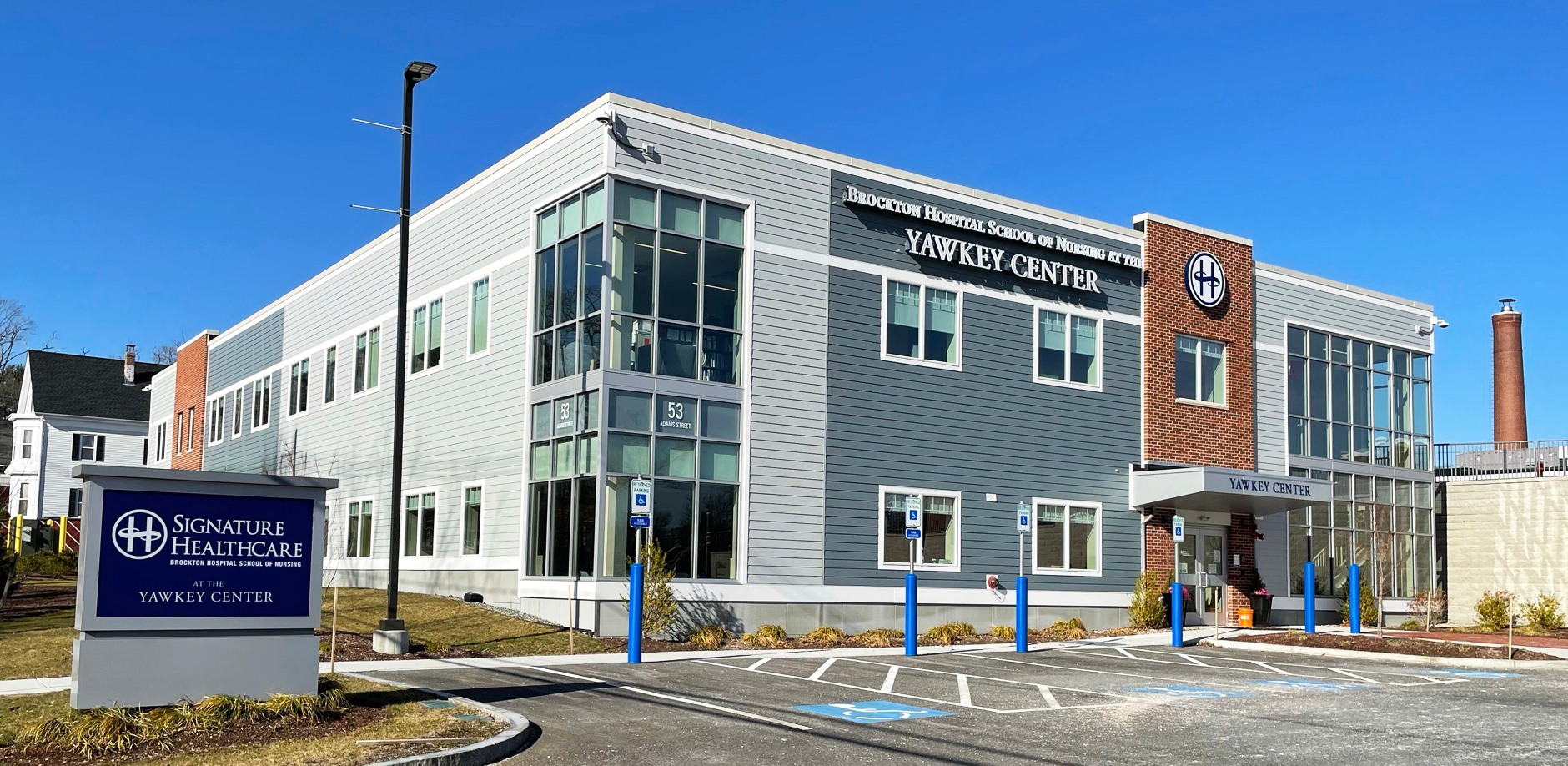
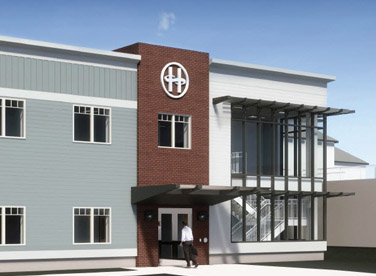
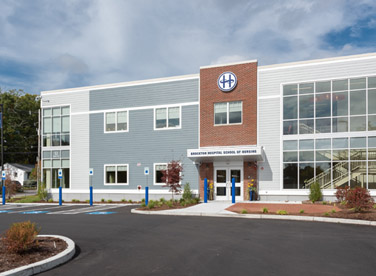
Life at BHSON is defined by its immersive, professional context. The student body is relatively small, with approximately 250 students attending annually, and it represents a diverse mix in age, gender, culture, ethnicity, and economic background. The campus is an extension of the hospital itself, fostering a culture of focus and preparedness. Students highlight the value of state-of-the-art simulation classrooms for building clinical confidence in a controlled environment. The school is in the process of constructing a new 13,800-square-foot facility dedicated to classroom, laboratory, and simulation space, signaling an investment in the student experience. Social life is likely centered on the intense shared experience of the program rather than a traditional collegiate scene. It's a place for those who want to live and breathe nursing from day one, surrounded by peers and faculty equally committed to the craft.
The outcomes for BHSON graduates are the school's most powerful selling point. The primary measure of success for any nursing program is the NCLEX-RN licensure exam, and here the school excels: a 94% first-time pass rate in 2025, with a five-year average of 93.4%. This directly translates into career readiness and earning potential. According to the College Scorecard, median earnings for students after attending are strong. The school's focused mission results in graduates who are highly employable and command solid salaries in the nursing field, reflecting the high demand for well-trained clinical professionals.
The is a significant consideration, but BHSON provides tools and programs to help manage it. The school offers a Calculator to help families estimate their actual cost after factoring in financial aid. To be eligible for aid, students must complete the Free Application for Federal Student Aid (FAFSA) each year. Financial aid is need-based, requiring students to demonstrate financial need, and typically requires enrollment in at least twelve credits per term. The school offers a number of financial aid programs, including scholarships and grants. Changes in enrollment can affect financial aid awards, and students who receive aid after paying tuition may be eligible for reimbursement. While the sticker price can be high, the average net price after aid is substantially lower, making the investment in this career-focused education more accessible.
Average Net Price After Aid: $22,761
Aid Requirement: Completion of the FAFSA
Eligibility: Must demonstrate financial need and be enrolled in at least 12 credits/term.
Brockton Hospital School of Nursing stands out as a rare breed: a surviving hospital-based diploma program in an era dominated by university bachelor's degrees. This isn't an abstraction; it's the defining characteristic. The education is delivered not on a leafy quad but within the ecosystem of Signature Healthcare Brockton Hospital. This creates an unparalleled integration of theory and practice—classroom lessons are reinforced just steps away in live clinical settings. The result is a graduate who isn't just test-ready but floor-ready, evidenced by NCLEX pass rates that consistently beat national averages. The 7:1 student-faculty ratio ensures personalized attention in a high-stakes field. It appeals to a specific student: one who is decisive about a nursing career, values intense hands-on training over a broad college experience, and seeks a direct, efficient path to a high-demand profession with strong earnings potential. It's a pragmatic, no-frills powerhouse for creating capable nurses.
Signature Healthcare Brockton Hospital School of Nursing seal · sourceSignature Healthcare Brockton Hospital School of Nursing | Brockton MA · sourceBrockton Hospital School of Nursing Constructing New State-of-the-Art Facility | Signature Healthcare · sourceBHSON New Building | Signature Healthcare | Signature Healthcare · source