Loading…
← All schools
Skin Science Institute
Sandy, UTprivate forprofitskinscienceinstitute.com/
Avg net price
$20,486
Earnings (10 yr)
$27,153
Acceptance & SAT from Common Data Set / IPEDS; net price, earnings & graduation from the U.S. Dept. of Education College Scorecard. Figures lag ~1–2 years — verify with the school.
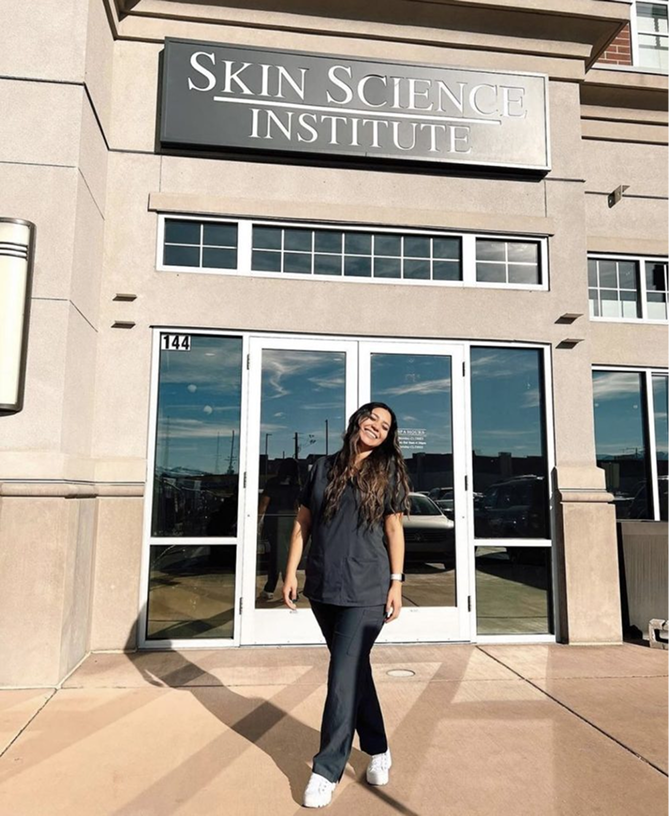
Skin Science Institute is not a traditional university but a specialized, for-profit trade school laser-focused on a single, practical outcome: turning out licensed master estheticians. Located in Sandy, Utah, its entire identity is wrapped up in a 420-hour, career-driven curriculum that prioritizes hands-on training, state board preparation, and immediate job placement in the beauty and skincare industry. Forget dorms and football teams; this is a no-frills, high-touch environment where students spend their days practicing facials and laser treatments, aiming for a license and a paycheck, not a bachelor's degree.
More details
- Undergrad enrollment
- 127
- Student-Faculty Ratio
- 10:1
- Median Earnings After Attending
- $28,584
- Program Completion Rate (Normal Time)
- 79%
Outcomes & value
Outcomes & value
- Median earnings (10 yr)
- $27,153
- Value (earnings ÷ net price)
- 1.3×
- Median debt at graduation
- $7,667
- Reducing loan balance (3 yr)
- 57%
- Pell (lower-income) share
- 8%
- First-gen share (among federal-aid recipients)
- 39%
Earnings = median of students working ~10 years after entry; debt = median of graduates. Value divides 10-yr earnings by one year’s net price — read it as earnings per dollar of annual cost, not a full lifetime ROI; it favors lower-cost schools. Source: U.S. Dept. of Education College Scorecard. Figures lag ~2 years and reflect all students, not your intended major.
Campus & location
Campus safety
- On-campus violent crimes (2024)
- 0
On-campus criminal offenses classed as violent (murder/non-negligent manslaughter, rape, robbery, aggravated assault) for the most recent reported year. Source: U.S. Dept. of Education Campus Safety and Security (Clery Act). Counts reflect what’s reported to the school, and urban campuses often report more partly due to non-student incidents nearby — read alongside campus size and setting, not as a standalone safety verdict.
Climate
- Pleasant days / yr
- 82
- Summer high
- 85°F
- Winter low
- 23°F
- Annual rain
- 17.4"
- Annual snow
- 64"
- Natural-hazard risk
- Relatively High
Pleasant days counts days per year with a mean temperature of 55–75°F, a high at or below 90°F, a low at or above 45°F, and little precipitation — a transparent comfort measure, not a weighting we invented. Computed from Open-Meteo ERA5 daily history (2019–2023). Natural-hazard risk is the county’s composite rating from the FEMA National Risk Index.
Deep dive — research, future-scholar output & economic mobility
Research output
- Institutional h-index
- 11
- Scholarly works
- 18
Institutional research volume and impact from OpenAlex. The h-index reflects large research universities and will be low for teaching-focused liberal-arts colleges — not a measure of undergraduate quality.
Quick answers
- How much does Skin Science Institute cost?
- At Skin Science Institute, the average net price (after aid) is about $20,486 per year. Actual cost varies with financial aid and residency.
- How many undergraduates attend Skin Science Institute?
- Skin Science Institute enrolls approximately 127 undergraduate students.
- Where is Skin Science Institute located?
- Skin Science Institute is located in Sandy, UT.
Admissions
The admissions process at Skin Science Institute is a world away from the hyper-competitive, of selective four-year colleges. It operates as an open-enrollment career school. While a formal —the standardized report used by traditional universities to detail selectivity, test scores, and demographics—does not appear to be published by SSI, third-party aggregators consistently report a 100% , indicating the school admits all applicants who meet its basic state requirements. The process is transactional and career-oriented: prospective students must meet Utah's requirements for esthetician school enrollment, which includes being at least 16 years old and having a high school diploma or GED. There's no mention of SAT/ACT scores, essays, or letters of recommendation—the gatekeepers here are state licensing boards, not admissions committees. The primary barrier for most students is likely financial, not academic.
Compare Skin Science Institute
vs United States Air Force Academyvs United States Coast Guard Academyvs Livingstone Collegevs The College of Idaho
See colleges similar to Skin Science Institute →Sources
- Common Data Set: Home
- [PDF] Common Data Set 2024-2025 - Registrar's Office - Hollins University
- How To Use a Common Data Set - The College Solution
- Decoding the Common Data Set What You Need to Know for Your ...
- The Common Data Set: What It Is & How to Use It In College ...
- Demystifying the Common Data Set - Top Tier Admissions
- Skin Science Institute
- Skin Science Institute — Acceptance Rate, Costs & More
- Skin Science Institute | Class of 2030 Community ...
- First-Year Class Profile
- Skin Science Institute - School Profile - College & Career Data