Admit rate has ranged 66%–74% over the last 4 years — notably volatile. Source: IPEDS via Urban Institute.
Acceptance & SAT from Common Data Set / IPEDS; net price, earnings & graduation from the U.S. Dept. of Education College Scorecard. Figures lag ~1–2 years — verify with the school.
Southern Adventist University is a Seventh-day Adventist institution in Collegedale, Tennessee, where faith and profession intertwine with a practical, mission-minded focus. Its character is defined by a friendly, close-knit campus culture that emphasizes spiritual growth, community service, and a strong slate of pre-professional programs in nursing, business, and education. The university operates on a distinctly Adventist rhythm, with a 13:1 student-faculty ratio and a campus life centered around a 43,000-square-foot student union designed for connection.
Admission requirements
Test-optional — scores considered if submitted
Required
High school transcript
Grade point average
TOEFL (non-native English)
Considered (not required)
Test scores (SAT/ACT)
College-prep program
Source: IPEDS Admissions survey (2022) via Urban Institute. Covers formal factors only — it does not reflect essays, extracurriculars, or other holistic criteria.
More details
Undergrad enrollment
2,773
In-state tuition
$27,300
Out-of-state tuition
$27,300
Graduation Rate
49%
Student-Faculty Ratio
13:1
Median Earnings (10yr)
$53,723
Classes Under 20 Students
57.5%
First-Year Retention Rate
83%
Outcomes & value
Outcomes & value
Median earnings (10 yr)
$53,723
Value (earnings ÷ net price)
2.2×
Median debt at graduation
$24,500
Graduation rate
49%
First-year retention
83%
Reducing loan balance (3 yr)
63%
Pell (lower-income) share
31%
First-gen share (among federal-aid recipients)
18%
Financial health
2.2 / 3.0Meets the federal financial-responsibility standard
U.S. Dept. of Education Financial Responsibility Composite Score (FY2022-23). Scale −1.0 to 3.0; ≥1.5 meets the standard. Reported for private nonprofit & for-profit institutions only — public universities are state-backed and not scored, so this is a stability signal, not a ranking.
Top-earning majors
Median earnings by field of study (highest credential), ~2 years after completion.
Registered Nursing, Nursing Administration, Nursing Research and Clinical Nursing$53,579
Business Administration, Management and Operations$34,530
Theological and Ministerial Studies$32,925
Source: U.S. Dept. of Education College Scorecard (field-of-study earnings). Figures cover graduates who received federal aid and lag ~2 years; not all programs report data.
On-campus criminal offenses classed as violent (murder/non-negligent manslaughter, rape, robbery, aggravated assault) for the most recent reported year. Source: U.S. Dept. of Education Campus Safety and Security (Clery Act). Counts reflect what’s reported to the school, and urban campuses often report more partly due to non-student incidents nearby — read alongside campus size and setting, not as a standalone safety verdict.
Climate
Pleasant days / yr
95
Summer high
88°F
Winter low
38°F
Annual rain
56"
Annual snow
2.8"
Natural-hazard risk
Relatively Moderate
Pleasant days counts days per year with a mean temperature of 55–75°F, a high at or below 90°F, a low at or above 45°F, and little precipitation — a transparent comfort measure, not a weighting we invented. Computed from Open-Meteo ERA5 daily history (2019–2023). Natural-hazard risk is the county’s composite rating from the FEMA National Risk Index.
Deep dive — research, future-scholar output & economic mobility▾
Research output
Institutional h-index
31
Scholarly works
405
Institutional research volume and impact from OpenAlex. The h-index reflects large research universities and will be low for teaching-focused liberal-arts colleges — not a measure of undergraduate quality.
Economic mobility
Mobility rate
2.4%
Bottom → top quintile
28%
From bottom quintile
9%
Mobility rate = the share of students who both start in the bottom household-income quintile and reach the top quintile; bottom → top is that chance conditional on starting at the bottom. Source: Opportunity Insights Mobility Report Cards (Chetty, Friedman, Saez, Turner & Yagan). Reflects 1980–82 birth cohorts, so it’s directional, not current.
Quick answers
What is the acceptance rate at Southern Adventist University?
Southern Adventist University's acceptance rate is approximately 66% (Collegedale, TN), based on the most recent figures we compiled from public and primary sources.
What SAT score do you need for Southern Adventist University?
Admitted students at Southern Adventist University typically score 1020–1300 on the SAT (the middle-50% range). Scores outside this band are still admitted, especially with strong applications.
How much does Southern Adventist University cost?
At Southern Adventist University, the average net price (after aid) is about $24,345 per year. Actual cost varies with financial aid and residency.
How many undergraduates attend Southern Adventist University?
Southern Adventist University enrolls approximately 2,773 undergraduate students.
Where is Southern Adventist University located?
Southern Adventist University is located in Collegedale, TN.
Admissions
Southern Adventist University maintains a moderately selective admissions process, admitting about two-thirds of its applicants. The admissions office reports a minimum test score requirement of an ACT composite of 16 or an SAT score of 880, but the middle 50% of admitted students who submit scores typically present a stronger profile, with SAT scores between 1020 and 1300 or ACT scores between 19 and 25. The university accepts applications from students from a variety of educational backgrounds, including traditional high schools, Adventist academies, homeschools, and those with a GED. While the is a standardized tool for understanding admissions factors, Southern's specific CDS was not among the provided sources to detail the relative importance of GPA, essays, recommendations, or demonstrated interest. The process appears accessible, with a focus on meeting baseline academic standards for readiness.
Earnings = median of students working ~10 years after entry; debt = median of graduates. Value divides 10-yr earnings by one year’s net price — read it as earnings per dollar of annual cost, not a full lifetime ROI; it favors lower-cost schools. Source: U.S. Dept. of Education College Scorecard. Figures lag ~2 years and reflect all students, not your intended major.
Academics at Southern are built around a core of pre-professional and health-oriented programs, reflecting the Adventist tradition of service. The most popular majors are Registered Nursing, Biomedical Sciences, and Kinesiology, with additional strengths noted in business, religion, and teaching. The university offers a standard list of undergraduate majors spanning Allied Health, Biology, Business and Management, Chemistry, Computing, Education, Psychology, and Counseling, English, and General Studies. This creates a curriculum where students describe the school as fostering "mission-minded" graduates. The intimate scale of the institution is a key feature, with a student-faculty ratio of 13:1 and more than half of all classes (57.5%) having fewer than 20 students, facilitating closer interaction with professors.
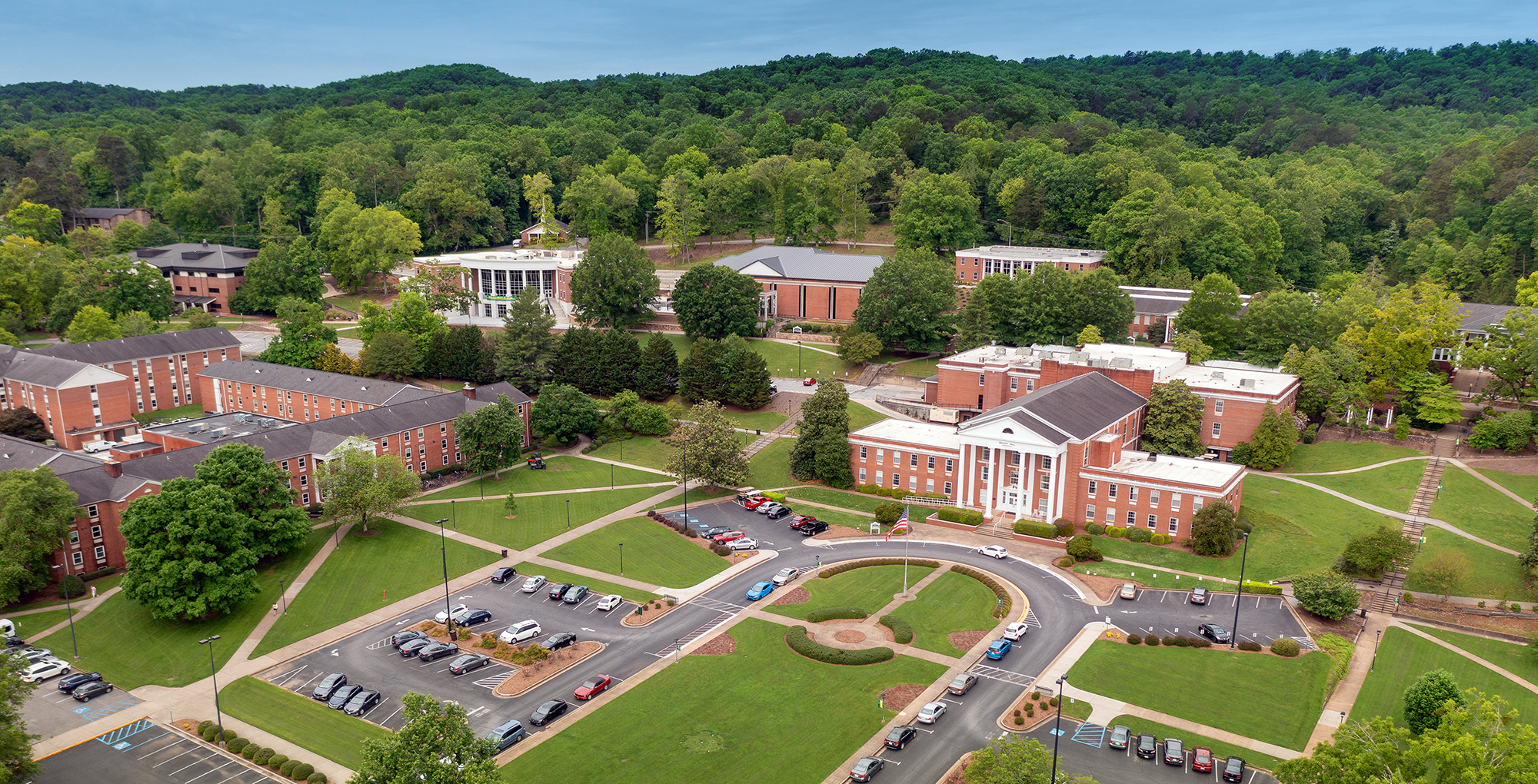
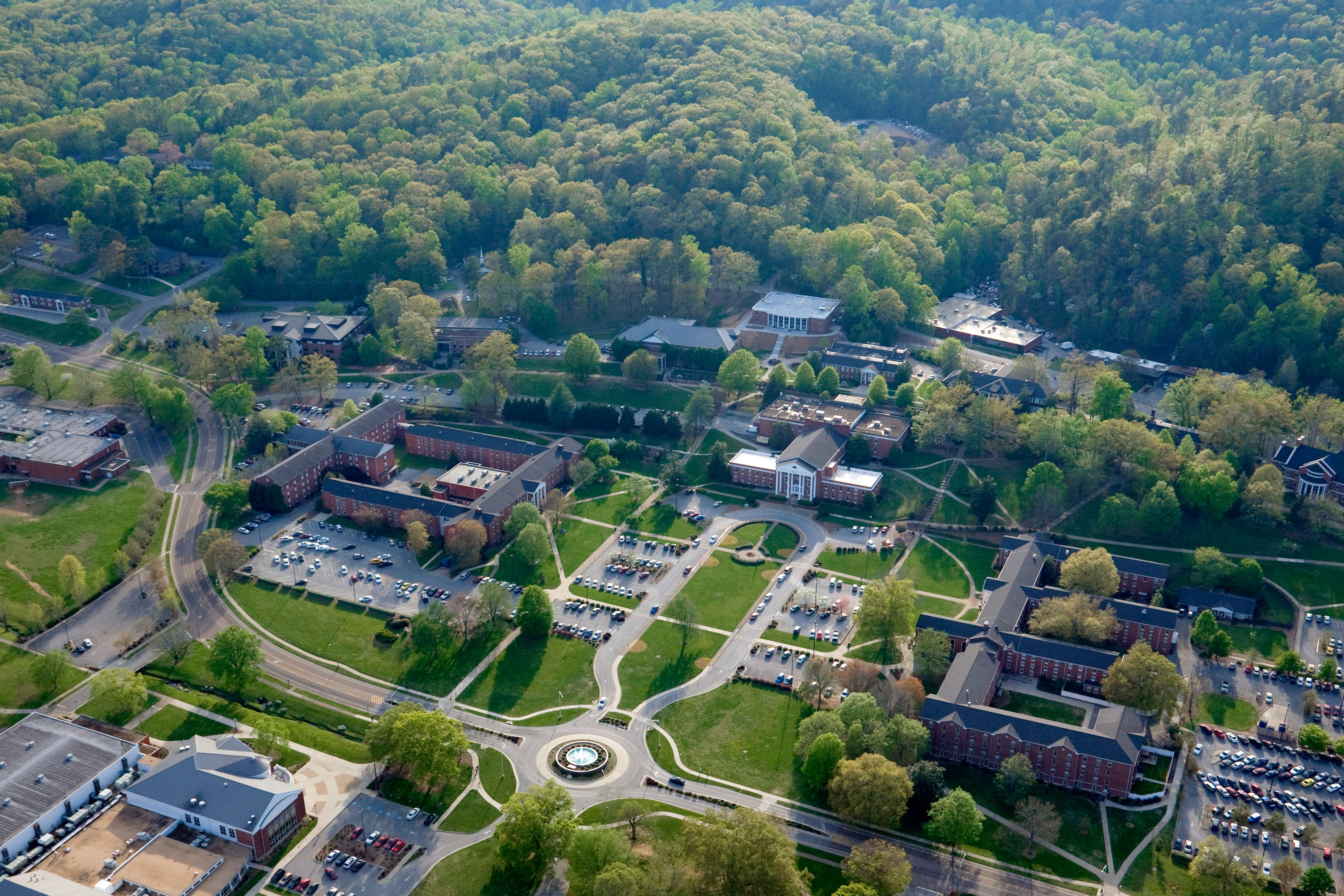
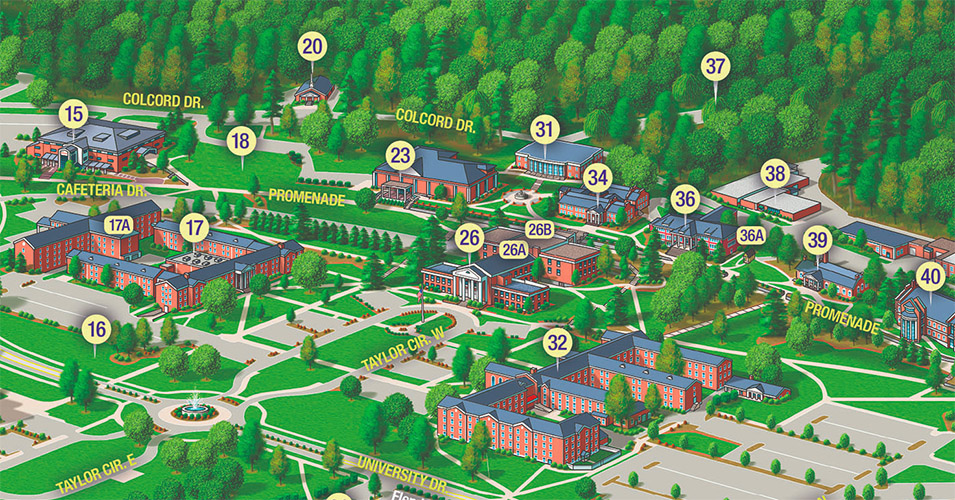
Campus life is intentionally designed to foster a supportive, spiritually grounded community. The physical and social heart of campus is the Bietz Center for Student Life, a 43,000-square-foot facility that provides spaces for students to socialize, decompress, study, and access essential services. The Office of Student Life and Activities, located within this center, aims to "unite, empower, and build community." Daily life incorporates convocations, dining options, health services, and campus safety provisions. Students and external reviews describe the prevailing culture as notably friendly, with an emphasis on spiritual growth and respect for differences in race, gender, and orientation. This creates a distinct environment where social and spiritual activities are deeply intertwined.
Southern Adventist University tracks student success through graduation rates and post-graduate placement. The university reports that successful placement outcomes for graduates remain steady at 94%. For traditional undergraduate students, the six-year graduation rate is reported at 60%, with a four-year rate of 45%. The first-year retention rate—a indicator of student satisfaction and academic fit—is 83%. A significant and celebrated outcome for pre-medical students is early acceptance into affiliated graduate programs; for example, Loma Linda University School of Medicine granted early acceptance to 10 Southern pre-med students in a single year, noted as an all-time high. These metrics point to an institution that supports students toward completion and facilitates pathways into further education and careers, particularly within the Adventist network.
The university provides a framework for financing education through a combination of scholarships, grants, loans, and work opportunities. The stated financial aid philosophy is that "trained advisers will help you get all of the aid you can," and more than 95% of students receive some form of financial assistance. Aid packages are made for one academic year to admitted students who demonstrate financial need and are enrolled at least half-time. The aid offering includes institutional scholarships (like a $500 per semester scholarship for completing a specific initiative), grants, and federal loan programs like Direct Unsubsidized loans, which are available without a demonstrated need requirement. The university provides a calculator to help families estimate their actual cost after accounting for scholarships and grants, which are subtracted from the total . The financial aid system is presented as accessible, with an emphasis on guiding students through the process.
Southern Adventist University stands out as a definitive institution for students seeking a college experience fully integrated with Seventh-day Adventist faith and values. It’s not a school with a mere religious studies department; it’s a community where spiritual growth is listed alongside friendliness and respect as a cornerstone of campus culture. This mission-driven focus translates directly into its academic strengths: a heavy emphasis on health sciences (nursing, biomedical), business, and education—fields aligned with practical service. The recent achievement of a record number of early acceptances to Loma Linda University School of Medicine underscores the power of its embedded network within Adventist higher education and healthcare. Furthermore, the substantial investment in student life, centered on the expansive Bietz Center, signals a commitment to fostering the whole person within a supportive, close-knit environment. For the right student, it offers a clear path to a profession within a defined and caring faith community.
Southern Adventist University seal · sourceVisit Campus | Southern Adventist University · sourcePreview Southern | Southern Adventist University · sourceMaps and Directions | Southern Adventist University · source
_(cropped).jpg?width=1600)