Loading…
← All schools
Southern Regional Technical College
Thomasville, GApublicsouthernregional.edu/
Avg net price
$813
Earnings (10 yr)
$31,293
Acceptance & SAT from Common Data Set / IPEDS; net price, earnings & graduation from the U.S. Dept. of Education College Scorecard. Figures lag ~1–2 years — verify with the school.
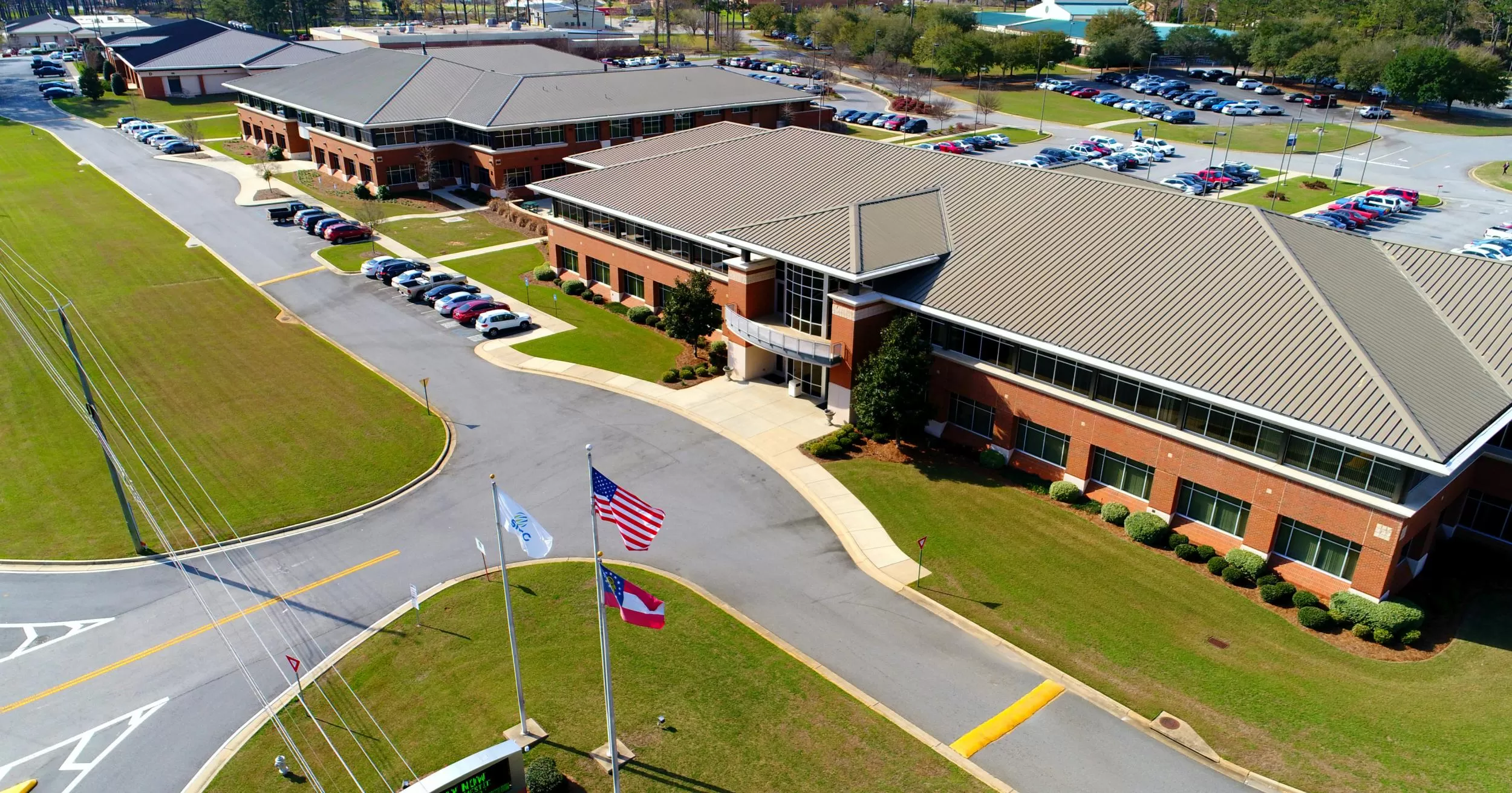
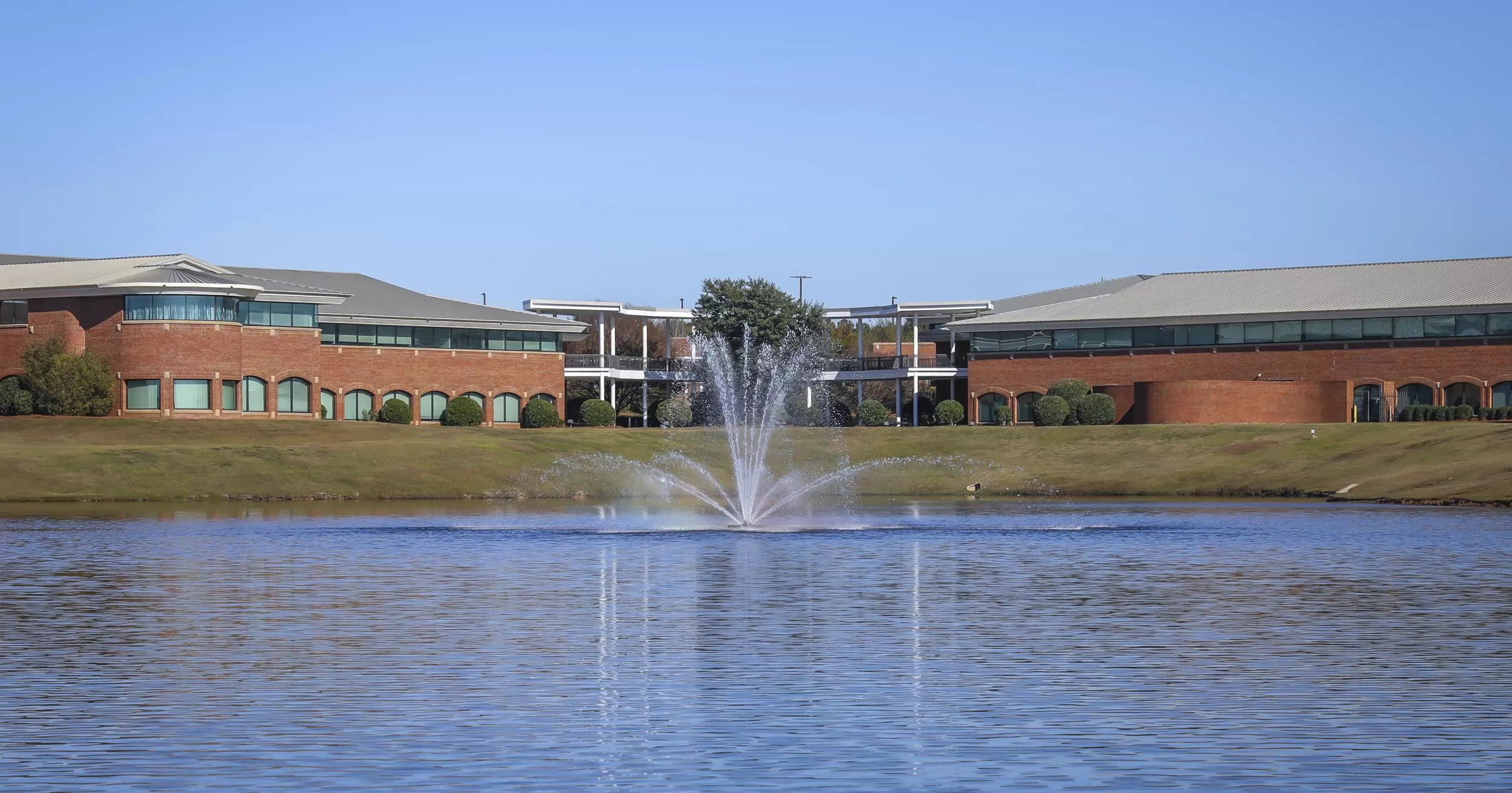
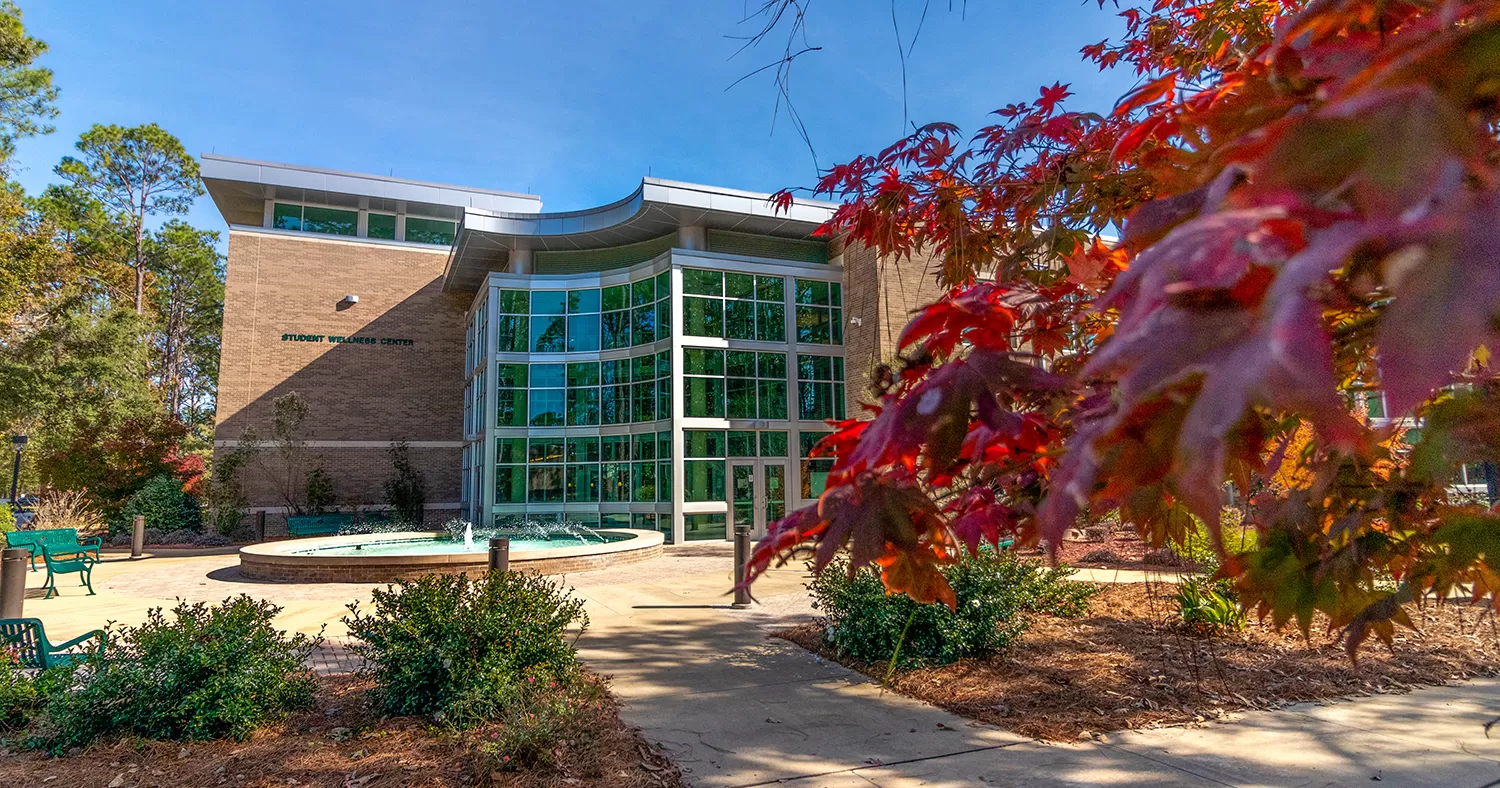
Southern Regional Technical College (SRTC) is a rapidly expanding, open-access technical college in southwest Georgia that operates with a singular, pragmatic mission: to connect students directly to the workforce. Its identity is built on a sprawling menu of over 150 career-focused certificates, diplomas, and associate degrees, from nursing and automotive tech to design and media production. This isn't a place for abstract theory; it's a launchpad where enrollment surges and a near-100% in-field job placement rate for graduates tell the story of a region betting on skilled trades.
More details
- Undergrad enrollment
- 3,098
- In-state tuition
- $3,007
- Out-of-state tuition
- $5,575
- Programs Offered
- Over 150 degrees, diplomas & certificates
- In-Field Job Placement Rate (2019 Grads)
- 99.7%
Outcomes & value
Outcomes & value
- Median earnings (10 yr)
- $31,293
- Value (earnings ÷ net price)
- 38.5×
- Pell (lower-income) share
- 43%
- First-gen share (among federal-aid recipients)
- 49%
Earnings = median of students working ~10 years after entry; debt = median of graduates. Value divides 10-yr earnings by one year’s net price — read it as earnings per dollar of annual cost, not a full lifetime ROI; it favors lower-cost schools. Source: U.S. Dept. of Education College Scorecard. Figures lag ~2 years and reflect all students, not your intended major.
Campus & location
Campus safety
- On-campus violent crimes (2024)
- 0
On-campus criminal offenses classed as violent (murder/non-negligent manslaughter, rape, robbery, aggravated assault) for the most recent reported year. Source: U.S. Dept. of Education Campus Safety and Security (Clery Act). Counts reflect what’s reported to the school, and urban campuses often report more partly due to non-student incidents nearby — read alongside campus size and setting, not as a standalone safety verdict.
Climate
- Pleasant days / yr
- 120
- Summer high
- 91°F
- Winter low
- 47°F
- Annual rain
- 48.9"
- Natural-hazard risk
- Relatively Low
Pleasant days counts days per year with a mean temperature of 55–75°F, a high at or below 90°F, a low at or above 45°F, and little precipitation — a transparent comfort measure, not a weighting we invented. Computed from Open-Meteo ERA5 daily history (2019–2023). Natural-hazard risk is the county’s composite rating from the FEMA National Risk Index.
Deep dive — research, future-scholar output & economic mobility
Research output
- Institutional h-index
- 10
- Scholarly works
- 42
Institutional research volume and impact from OpenAlex. The h-index reflects large research universities and will be low for teaching-focused liberal-arts colleges — not a measure of undergraduate quality.
Quick answers
- How much does Southern Regional Technical College cost?
- At Southern Regional Technical College, the average net price (after aid) is about $813 per year. Actual cost varies with financial aid and residency.
- How many undergraduates attend Southern Regional Technical College?
- Southern Regional Technical College enrolls approximately 3,098 undergraduate students.
- Where is Southern Regional Technical College located?
- Southern Regional Technical College is located in Thomasville, GA.
Admissions
SRTC's admissions process is defined by open access and a focus on program readiness over selectivity. The college reports a 100% , meaning its gatekeeping happens not at the application stage but in ensuring students are prepared for their chosen technical track. The process is a straightforward, multi-step sequence: submit an online application, then demonstrate readiness through assessment. All applicants must either take the ACCUPLACER placement exam administered by the college or submit satisfactory SAT or ACT scores. For most programs, there are minimum score thresholds on this admissions placement exam that must be met for acceptance into the program itself. This model reflects the college's mission—it seeks to admit students broadly and then provide the foundational skills needed to succeed in a technical curriculum. The strategy is clearly resonating: SRTC is experiencing significant enrollment growth, with total headcount climbing from 5,070 in Fall 2023 to 5,326 in Fall 2024 (a 5% increase), and then jumping again to 5,944 in Fall 2025 (an 11.6% increase). A particularly explosive area of growth is Dual Enrollment, which saw a 46.4% increase from summer 2024 to summer 2025, indicating the college is successfully embedding itself in the educational pathway of local high school students.
Compare Southern Regional Technical College
vs Abraham Baldwin Agricultural Collegevs University of Puerto Rico-Arecibovs University of Puerto Ricovs University of Puerto Rico at Cayey
See colleges similar to Southern Regional Technical College →Sources
- Admissions | Southern Regional Technical College
- How to Apply - Southern Regional Technical College
- Record Enrollment Growth at Southern Regional Technical College
- Admissions Information - Southern Regional Technical College
- Record Enrollment Growth at Southern Regional Technical College ...
- Southern Regional Technical College Entering Class Stats ...
- Admissions Information - Southern Regional Technical College
- Southern Regional Technical College - Niche
- Entrance Scores | Southern Regional Technical College
- Southern Regional Technical College - Tuition and Acceptance Rate