Loading…
← All schools
Studio Jewelers
New York, NYprivate forprofitwww.studiojewelersltd.com/
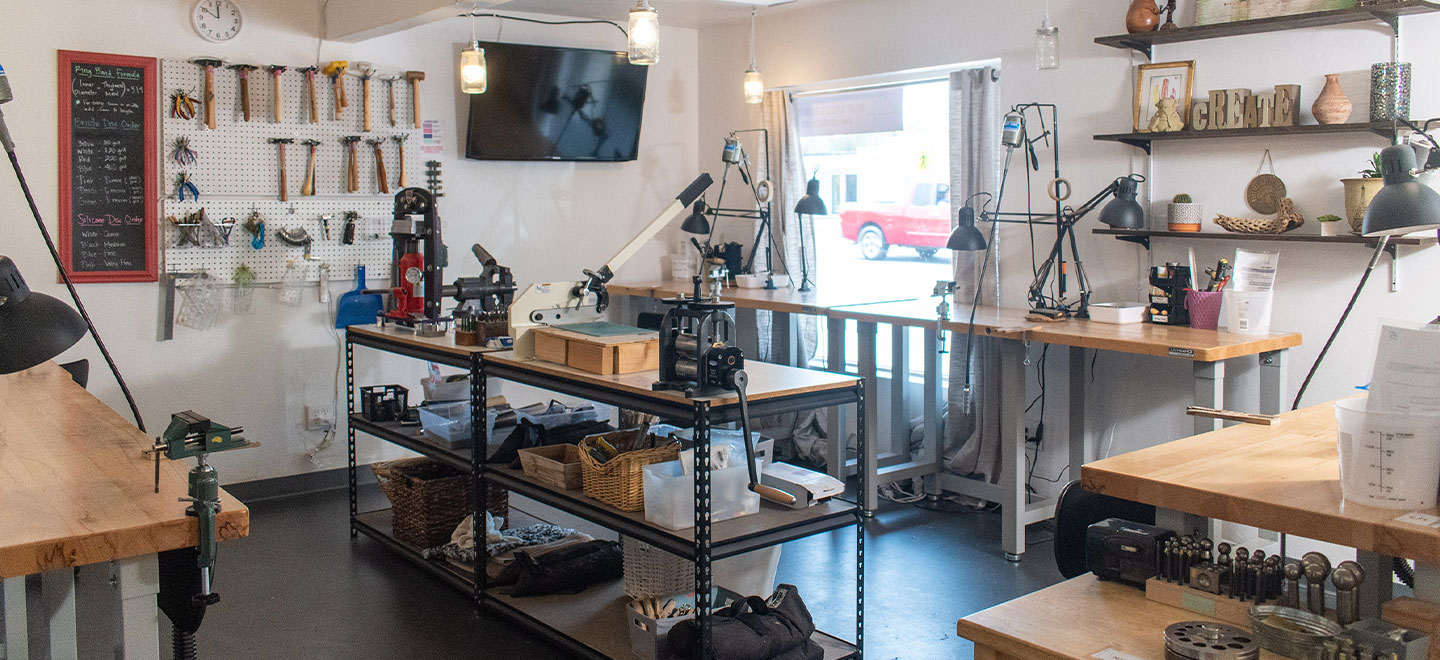
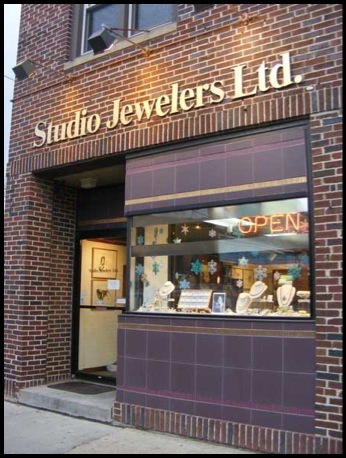
Studio Jewelers isn't a college in the traditional sense; it's a laser-focused, for-profit trade school in the heart of midtown Manhattan that has been training professional jewelers since 1979. Forget sprawling quads and lecture halls—this is a hands-on, bench-based apprenticeship model where small groups of students master stone setting, wax modeling, and fabrication in intensive, 12-week cycles. It attracts a diverse, older student body (the average starting age is a notable warning sign) who come for one thing: a direct, practical pathway into the jewelry trade, with a job placement rate that suggests the training sticks.
More details
- Undergrad enrollment
- 74
- Founded
- 1979
- Gender Balance
- 62.2% women
- Course Structure
- 12-week cycles, 3-hour weekly sessions
- Primary Offering
- Jewelry Arts Certificate
- Student Body Size
- 65-74 students
- Instructional Model
- Small-group, hands-on
- Median Graduate Earnings
- $38,200 per year
- Job Placement Rate (One Program)
- 75%
Outcomes & value
Outcomes & value
- Reducing loan balance (3 yr)
- 54%
- Pell (lower-income) share
- 6%
Earnings = median of students working ~10 years after entry; debt = median of graduates. Value divides 10-yr earnings by one year’s net price — read it as earnings per dollar of annual cost, not a full lifetime ROI; it favors lower-cost schools. Source: U.S. Dept. of Education College Scorecard. Figures lag ~2 years and reflect all students, not your intended major.
Financial health
2.9 / 3.0Meets the federal financial-responsibility standard
U.S. Dept. of Education Financial Responsibility Composite Score (FY2022-23). Scale −1.0 to 3.0; ≥1.5 meets the standard. Reported for private nonprofit & for-profit institutions only — public universities are state-backed and not scored, so this is a stability signal, not a ranking.
Campus & location
Campus safety
- On-campus violent crimes (2024)
- 0
On-campus criminal offenses classed as violent (murder/non-negligent manslaughter, rape, robbery, aggravated assault) for the most recent reported year. Source: U.S. Dept. of Education Campus Safety and Security (Clery Act). Counts reflect what’s reported to the school, and urban campuses often report more partly due to non-student incidents nearby — read alongside campus size and setting, not as a standalone safety verdict.
Climate
- Pleasant days / yr
- 96
- Summer high
- 82°F
- Winter low
- 29°F
- Annual rain
- 42.4"
- Annual snow
- 18.3"
- Natural-hazard risk
- Relatively High
Pleasant days counts days per year with a mean temperature of 55–75°F, a high at or below 90°F, a low at or above 45°F, and little precipitation — a transparent comfort measure, not a weighting we invented. Computed from Open-Meteo ERA5 daily history (2019–2023). Natural-hazard risk is the county’s composite rating from the FEMA National Risk Index.
Quick answers
- How much does Studio Jewelers cost?
- At Studio Jewelers, the average net price (after aid) is about $19,698 per year. Actual cost varies with financial aid and residency.
- How many undergraduates attend Studio Jewelers?
- Studio Jewelers enrolls approximately 74 undergraduate students.
- Where is Studio Jewelers located?
- Studio Jewelers is located in New York, NY.
Admissions
Admissions at Studio Jewelers operates on a fundamentally different plane than the selective, of a liberal arts college. The process is transparently vocational: applicants are evaluated for their readiness to engage in a hands-on technical program. While sources indicate a 100% , this figure reflects the school's open-access mission to train aspiring jewelers rather than a lack of standards; the barrier to entry is the commitment to the craft and the financial investment.
There is no mention of Early Decision programs, binding or otherwise, which are typical of undergraduate institutions seeking to manage . The concept of 'demonstrated interest,' a critical factor at many selective colleges where tracking campus visits and communication can influence decisions, is irrelevant here. The school's website and third-party profiles focus squarely on course information and application logistics, not on cultivating a competitive applicant pool. The primary admissions criteria are likely pragmatic: meeting any basic requirements for the intensive jewelry training programs offered.
Compare Studio Jewelers
See colleges similar to Studio Jewelers →Sources
- Common Data Set: Home
- Common Data Set - Westminster University
- What is the Common Data Set? | College Raptor
- The Common Data Set: What It Is & How to Use It In College ...
- [PDF] Common Data Set 2024-2025
- [PDF] University of California, Riverside Common Data Set
- Studio Jewelers Admissions - BigFuture College Search
- Studio Jewelers
- Studio Jewelers Admissions Statistics & Acceptance Rate
- Studio Jewelers Admission, Acceptance Rate, SAT, ACT & ...
- First-Year Class Profile