Loading…
← All schools
Tennessee College of Applied Technology-Harriman
Harriman, TNpublicwww.tcatharriman.edu/
Avg net price
$11,148
Earnings (10 yr)
$31,591
Acceptance & SAT from Common Data Set / IPEDS; net price, earnings & graduation from the U.S. Dept. of Education College Scorecard. Figures lag ~1–2 years — verify with the school.
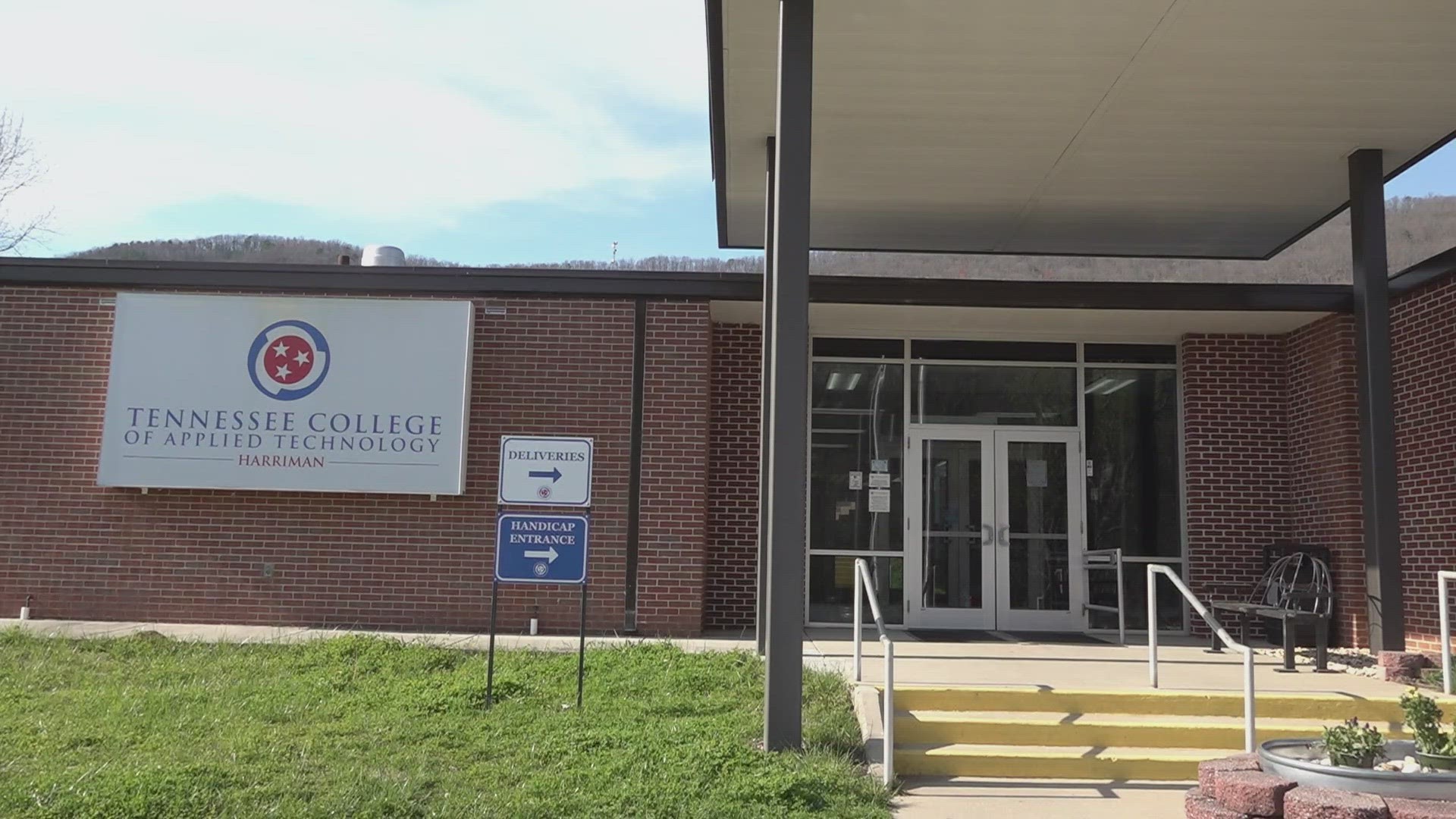
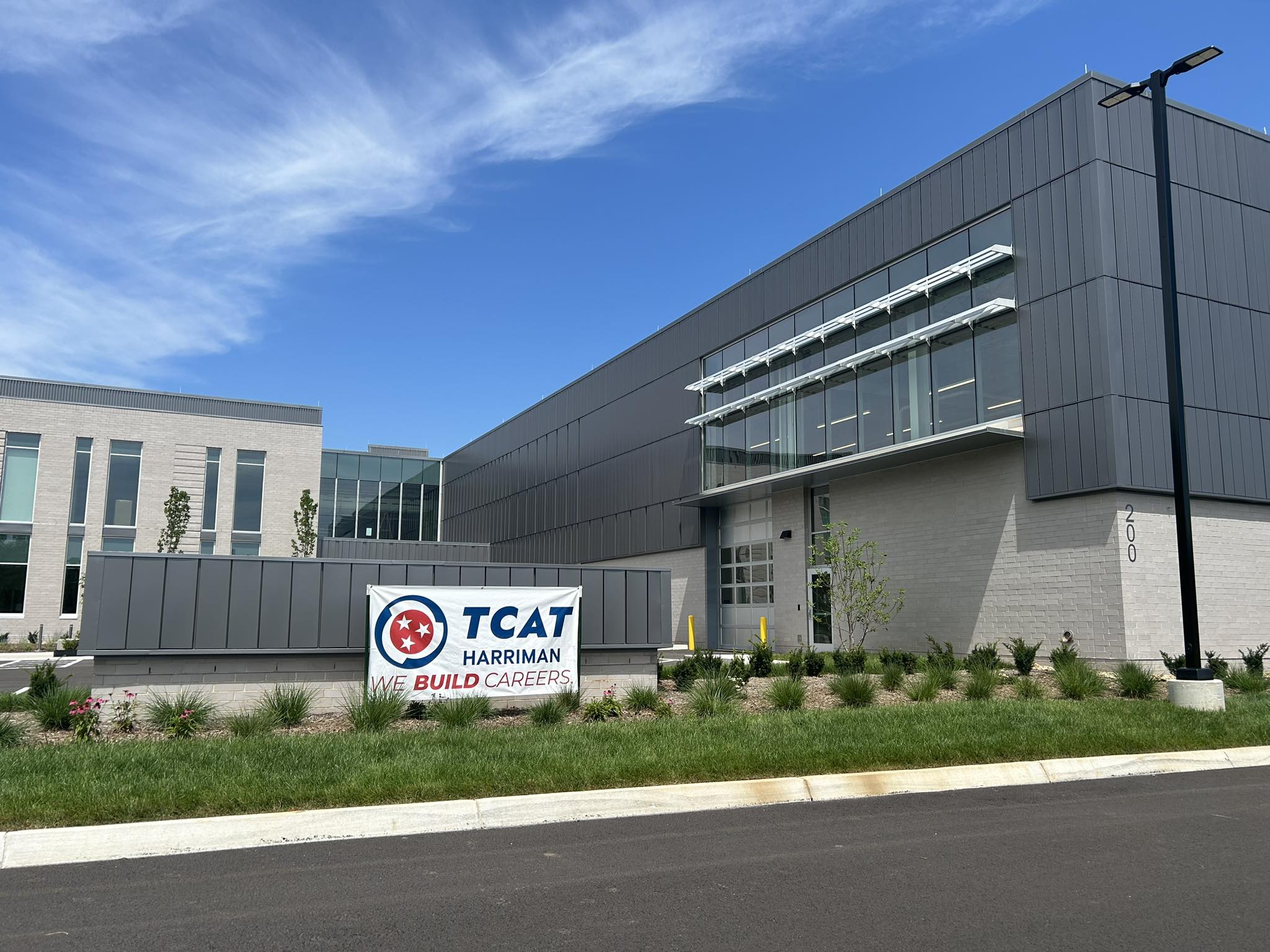
The Tennessee College of Applied Technology-Harriman is a no-frills, high-impact technical training center where the mission is singular and clear: get students job-ready, fast. With a 100% open-door admissions policy and a curriculum laser-focused on high-demand trades, it represents a direct, pragmatic, and often overlooked path to a solid middle-class livelihood in East Tennessee. This isn't a place for sprawling quads or football weekends; it's a modern facility designed to simulate the occupational environment, where success is measured in completions, certifications, and immediate employment.
More details
- Undergrad enrollment
- 246
- Occupational Programs
- 19
- Median Earnings (10yr)
- $31,591
- Years of Accreditation
- 50
- Completion Rate (2022-23)
- 88%
Outcomes & value
Outcomes & value
- Median earnings (10 yr)
- $31,591
- Value (earnings ÷ net price)
- 2.8×
- Pell (lower-income) share
- 23%
- First-gen share (among federal-aid recipients)
- 62%
Earnings = median of students working ~10 years after entry; debt = median of graduates. Value divides 10-yr earnings by one year’s net price — read it as earnings per dollar of annual cost, not a full lifetime ROI; it favors lower-cost schools. Source: U.S. Dept. of Education College Scorecard. Figures lag ~2 years and reflect all students, not your intended major.
Campus & location
Campus safety
- On-campus violent crimes (2024)
- 0
On-campus criminal offenses classed as violent (murder/non-negligent manslaughter, rape, robbery, aggravated assault) for the most recent reported year. Source: U.S. Dept. of Education Campus Safety and Security (Clery Act). Counts reflect what’s reported to the school, and urban campuses often report more partly due to non-student incidents nearby — read alongside campus size and setting, not as a standalone safety verdict.
Climate
- Pleasant days / yr
- 101
- Summer high
- 86°F
- Winter low
- 36°F
- Annual rain
- 41.6"
- Annual snow
- 5.2"
- Natural-hazard risk
- Relatively Low
Pleasant days counts days per year with a mean temperature of 55–75°F, a high at or below 90°F, a low at or above 45°F, and little precipitation — a transparent comfort measure, not a weighting we invented. Computed from Open-Meteo ERA5 daily history (2019–2023). Natural-hazard risk is the county’s composite rating from the FEMA National Risk Index.
Quick answers
- How much does Tennessee College of Applied Technology-Harriman cost?
- At Tennessee College of Applied Technology-Harriman, the average net price (after aid) is about $11,148 per year. Actual cost varies with financial aid and residency.
- How many undergraduates attend Tennessee College of Applied Technology-Harriman?
- Tennessee College of Applied Technology-Harriman enrolls approximately 246 undergraduate students.
- Where is Tennessee College of Applied Technology-Harriman located?
- Tennessee College of Applied Technology-Harriman is located in Harriman, TN.
Admissions
TCAT-Harriman operates on an open-access model, a stark contrast to the selective admissions of traditional four-year colleges. Multiple sources explicitly state its is 100%.
This means the primary barrier to entry is not a competitive application but a student's commitment to completing the program. The admissions process is straightforward, focused on placing students into programs where they can succeed, rather than winnowing out applicants. While sources like the initiative exist for collecting standardized admissions data, for institutions like TCAT-Harriman, the relevant metric isn't selectivity but capacity and student readiness for hands-on, technical training.
- Acceptance Rate: 100% (as reported by multiple independent sources).
- Process: The school describes itself as offering a "student centered learning environment where students succeed and are ready for the workplace," emphasizing support over selection.
Academics
Academics at TCAT-Harriman are defined by occupational intensity and efficiency. The college offers 19 occupational programs, ranging from welding and advanced manufacturing to automotive technology, all designed to lead directly to industry-recognized credentials and employment.
Compare Tennessee College of Applied Technology-Harriman
vs Florida Polytechnic Universityvs University of Science and Arts of Oklahomavs University of Arkansas at Pine Bluffvs United States Coast Guard Academy
See colleges similar to Tennessee College of Applied Technology-Harriman →Sources
- Common Data Set: Home
- Common Data Set - GradGPT
- [PDF] Common Data Set 2021-2022 - Colorado Department of Education
- Where to find Common Data Set (CDS) for college admission statistics
- Institutional Research - Specialized Reports
- [PDF] 2008-2009 Common Data Set - [email protected]
- Tennessee College Of Applied Technology Harriman
- Tennessee College of Applied Technology-Harriman
- Tennessee College of Applied Technology - Harriman
- TCAT Harriman: Home
- Tennessee College of Applied Technology-Harriman ...