Loading…
← All schools
Tennessee College of Applied Technology Northwest
Newbern, TNpublictcatnorthwest.edu
Avg net price
$9,698
Earnings (10 yr)
$38,514
Acceptance & SAT from Common Data Set / IPEDS; net price, earnings & graduation from the U.S. Dept. of Education College Scorecard. Figures lag ~1–2 years — verify with the school.
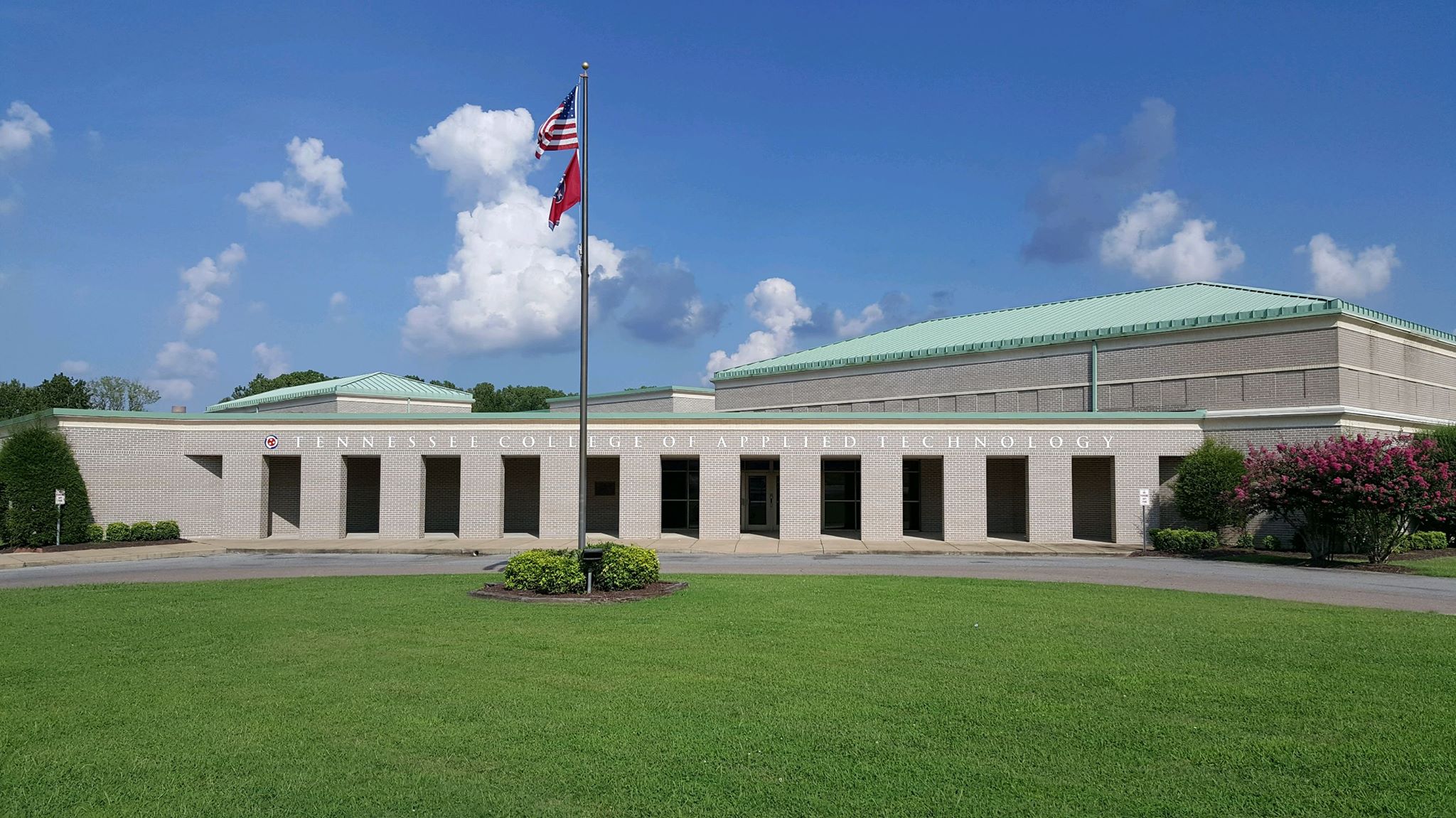
Tennessee College of Applied Technology Northwest is a public, two-year technical college in Newbern, TN, that operates on a radically different model than traditional academia. It’s a place where you don’t apply for a seat in a class, but for a spot in a specific, hands-on career program—enrollment is first-come, first-served, and the acceptance rate is effectively 100% for those who meet basic requirements. The singular focus is on delivering practical, high-demand skills in fields like welding, automotive tech, and practical nursing, with the explicit goal of getting graduates into the workforce quickly and debt-free. This isn't a place for exploring the liberal arts; it's a direct pipeline to a trade, boasting impressive job placement rates and a student body that's two-thirds male.
More details
- Undergrad enrollment
- 717
- Placement Rate
- 85%
- Graduation Rate
- 69%
- Programs Offered
- 23
- Student Body Gender
- 66% Men, 34% Women
- Total Completion Rate
- 79%
- Median Earnings (10yr)
- $38,514
- Licensure Exam Pass Rate
- 97%
Outcomes & value
Outcomes & value
- Median earnings (10 yr)
- $38,514
- Value (earnings ÷ net price)
- 4.0×
- Pell (lower-income) share
- 24%
- First-gen share (among federal-aid recipients)
- 61%
Earnings = median of students working ~10 years after entry; debt = median of graduates. Value divides 10-yr earnings by one year’s net price — read it as earnings per dollar of annual cost, not a full lifetime ROI; it favors lower-cost schools. Source: U.S. Dept. of Education College Scorecard. Figures lag ~2 years and reflect all students, not your intended major.
Campus & location
Campus safety
- On-campus violent crimes (2024)
- 0
On-campus criminal offenses classed as violent (murder/non-negligent manslaughter, rape, robbery, aggravated assault) for the most recent reported year. Source: U.S. Dept. of Education Campus Safety and Security (Clery Act). Counts reflect what’s reported to the school, and urban campuses often report more partly due to non-student incidents nearby — read alongside campus size and setting, not as a standalone safety verdict.
Climate
- Pleasant days / yr
- 84
- Summer high
- 88°F
- Winter low
- 35°F
- Annual rain
- 54.2"
- Annual snow
- 4.4"
- Natural-hazard risk
- Relatively Moderate
Pleasant days counts days per year with a mean temperature of 55–75°F, a high at or below 90°F, a low at or above 45°F, and little precipitation — a transparent comfort measure, not a weighting we invented. Computed from Open-Meteo ERA5 daily history (2019–2023). Natural-hazard risk is the county’s composite rating from the FEMA National Risk Index.
Quick answers
- How much does Tennessee College of Applied Technology Northwest cost?
- At Tennessee College of Applied Technology Northwest, the average net price (after aid) is about $9,698 per year. Actual cost varies with financial aid and residency.
- How many undergraduates attend Tennessee College of Applied Technology Northwest?
- Tennessee College of Applied Technology Northwest enrolls approximately 717 undergraduate students.
- Where is Tennessee College of Applied Technology Northwest located?
- Tennessee College of Applied Technology Northwest is located in Newbern, TN.
Admissions
Forget about crafting the perfect personal essay or sweating over your class rank. Admission to TCAT Northwest is a straightforward, utilitarian process focused on securing a seat in a specific trade program. The college operates on a first-come, first-served basis by date of completed application for its programs. There is no ; the primary gatekeepers are basic eligibility requirements: applicants must be at least 18 years old (or have a high school diploma or GED) and complete the application process for their desired program. This results in a reported 100% acceptance rate, a figure that reflects its open-access mission rather than a lack of rigor—the real selection happens within the programs themselves, where students must demonstrate the aptitude and work ethic to master a skilled trade. The initiative, which tracks admissions factors for many colleges, is largely irrelevant here; demonstrated interest, test scores, and recommendations aren't part of the calculus. Your place in line is what matters.
Academics
Academics at TCAT Northwest mean one thing: career-specific, hands-on technical training. The college offers , with no general education requirements or electives. Students enroll in a single, intensive program—like Automotive Technology, Welding, Practical Nursing, Machine Tool, or Administrative Office Technology—and spend their entire tenure mastering that trade. The curriculum is purely practical, designed to lead directly to industry-recognized credentials and employment. The most specialized majors, by degrees awarded, are . Success is measured not in GPAs but in concrete outcomes: the college reports a , an , and a . The highest degree offered is a certificate for programs of "at least 2, but less than 4 academic years." This is education stripped down to its most essential, utilitarian form: skill acquisition for immediate economic payoff.
Compare Tennessee College of Applied Technology Northwest
vs University of Science and Arts of Oklahomavs University of Virginia's College at Wisevs Northwestern Oklahoma State Universityvs Florida Polytechnic University
See colleges similar to Tennessee College of Applied Technology Northwest →Sources
- Common Data Set Explorer 2026: Compare 100 Colleges
- Common Data Set
- Common Data Sets
- Common Data Set 2022-2023
- Common Data Set 2022-2023
- Integrated Postsecondary Data
- Tennessee College of Applied Technology - Northwest
- Admissions
- Tennessee College of Applied Technology Northwest
- Tennessee College of Applied Technology - Nashville
- Tennessee College of Applied Technology Northwest (off-campus)