Loading…
← All schools
Texas College of Cosmetology-Abilene
Abilene, TXprivate forprofitwww.texascollegecosmetology.com/
Avg net price
$15,047
Earnings (10 yr)
$21,685
Acceptance & SAT from Common Data Set / IPEDS; net price, earnings & graduation from the U.S. Dept. of Education College Scorecard. Figures lag ~1–2 years — verify with the school.
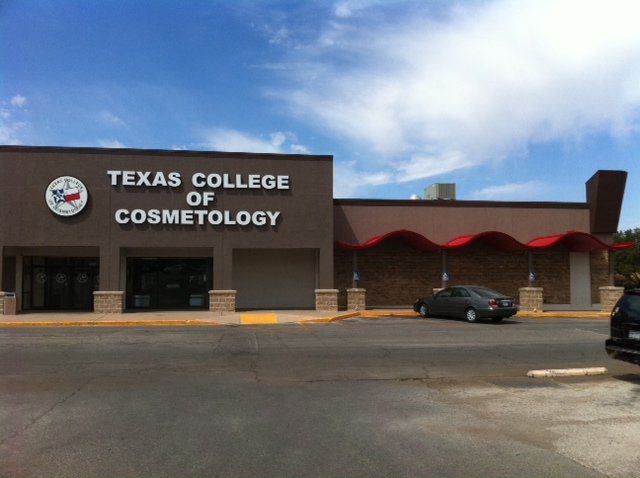
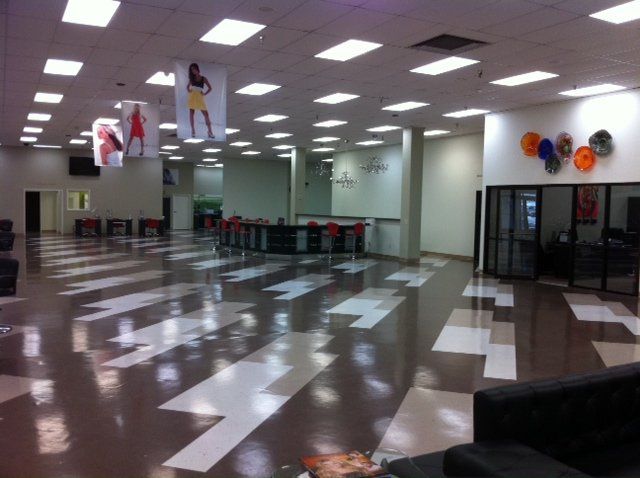
Texas College of Cosmetology-Abilene is a hyper-focused, single-purpose trade school where the entire mission is to turn out licensed cosmetologists, fast. With an open-door admissions policy and a tiny, intimate campus of around 40 students, it’s a no-frills, practical launchpad into the beauty industry for West Texas. Don’t come looking for a traditional college experience—come to learn a trade, get your license, and start working.
More details
- Undergrad enrollment
- 40
- Avg. Grant Aid
- $5,238
- Retention Rate
- 75%
- Graduation Rate
- 72.6%
- Avg. Loan Amount
- $5,325/year
- % Students with Loans
- 77%
- Student-to-Faculty Ratio
- 10:1
- % Students Receiving Grant Aid
- 82%
Outcomes & value
Outcomes & value
- Median earnings (10 yr)
- $21,685
- Value (earnings ÷ net price)
- 1.4×
- Median debt at graduation
- $6,333
- Pell (lower-income) share
- 61%
- First-gen share (among federal-aid recipients)
- 46%
Earnings = median of students working ~10 years after entry; debt = median of graduates. Value divides 10-yr earnings by one year’s net price — read it as earnings per dollar of annual cost, not a full lifetime ROI; it favors lower-cost schools. Source: U.S. Dept. of Education College Scorecard. Figures lag ~2 years and reflect all students, not your intended major.
Campus & location
Campus safety
- On-campus violent crimes (2024)
- 0
On-campus criminal offenses classed as violent (murder/non-negligent manslaughter, rape, robbery, aggravated assault) for the most recent reported year. Source: U.S. Dept. of Education Campus Safety and Security (Clery Act). Counts reflect what’s reported to the school, and urban campuses often report more partly due to non-student incidents nearby — read alongside campus size and setting, not as a standalone safety verdict.
Climate
- Pleasant days / yr
- 103
- Summer high
- 96°F
- Winter low
- 38°F
- Annual rain
- 14.6"
- Annual snow
- 3.3"
- Natural-hazard risk
- Relatively Moderate
Pleasant days counts days per year with a mean temperature of 55–75°F, a high at or below 90°F, a low at or above 45°F, and little precipitation — a transparent comfort measure, not a weighting we invented. Computed from Open-Meteo ERA5 daily history (2019–2023). Natural-hazard risk is the county’s composite rating from the FEMA National Risk Index.
Quick answers
- How much does Texas College of Cosmetology-Abilene cost?
- At Texas College of Cosmetology-Abilene, the average net price (after aid) is about $15,047 per year. Actual cost varies with financial aid and residency.
- How many undergraduates attend Texas College of Cosmetology-Abilene?
- Texas College of Cosmetology-Abilene enrolls approximately 40 undergraduate students.
- Where is Texas College of Cosmetology-Abilene located?
- Texas College of Cosmetology-Abilene is located in Abilene, TX.
Admissions
The barrier to entry here is as low as it gets. Texas College of Cosmetology-Abilene operates on an open admission policy, meaning all applicants who apply are accepted. There’s no selective gatekeeping based on test scores or GPA; the focus is on readiness to train for a specific trade. The school is tiny, with a total enrollment hovering around 40 students as of 2024, which creates an intimate, hands-on environment from day one. The process is straightforward: you apply, you’re in, and you can start with the next available course cohort (like those advertised for July or August). This is a school for decisive action, not a prolonged admissions dance.
Academics
This is a one-track institution. Academics revolve entirely around the cosmetology license program, which is the sole major offered. The curriculum is intensely practical, designed to meet Texas state licensing requirements through hands-on training in hair, nails, and skincare. The student-to-faculty ratio is an exceptionally low 10:1, ensuring close supervision as students practice on real clients in the school’s clinic. There are no general education requirements, no electives in philosophy, and no study-abroad semesters—just a focused, sequential course load aimed at passing the state board exam. The , suggesting that while the program is accessible, it demands commitment to stick with the rigorous, skills-based training.
Compare Texas College of Cosmetology-Abilene
vs Livingstone Collegevs Florida Polytechnic Universityvs Inter American University of Puerto Rico-Fajardovs United States Coast Guard Academy
See colleges similar to Texas College of Cosmetology-Abilene →Sources
- Texas College of Cosmetology-Abilene - Sallie
- Texas College of Cosmetology-Abilene
- Texas College of Cosmetology-Abilene
- Texas College of Cosmetology | San Angelo & Lubbock TX ...
- Texas College of Cosmetology - Abilene
- Common Data Set - Data, Analytics & Institutional Research
- Texas College Of Cosmetology-Abilene Admissions - BigFuture
- How Texas College of Cosmetology-Abilene Changes for Decade
- Texas College of Cosmetology-San Angelo Statistics - Overgrad
- Texas College Of Cosmetology | Abilene TX - Facebook