Loading…
← All schools
The Beauty Institute
West Palm Beach, FLprivate forprofitthebeautyinstitute.edu/
Avg net price
$20,896
Earnings (10 yr)
$23,023
Acceptance & SAT from Common Data Set / IPEDS; net price, earnings & graduation from the U.S. Dept. of Education College Scorecard. Figures lag ~1–2 years — verify with the school.
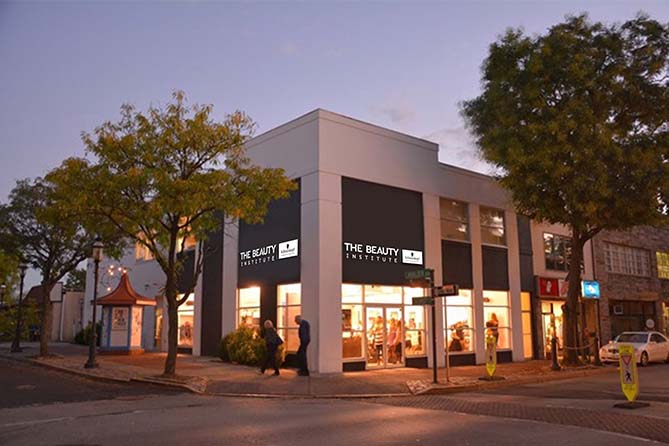
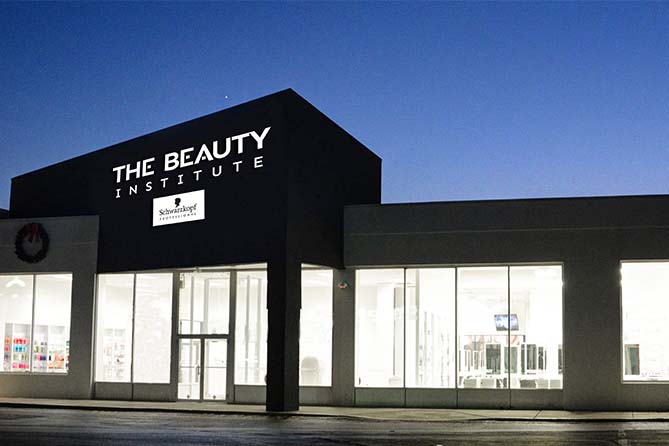
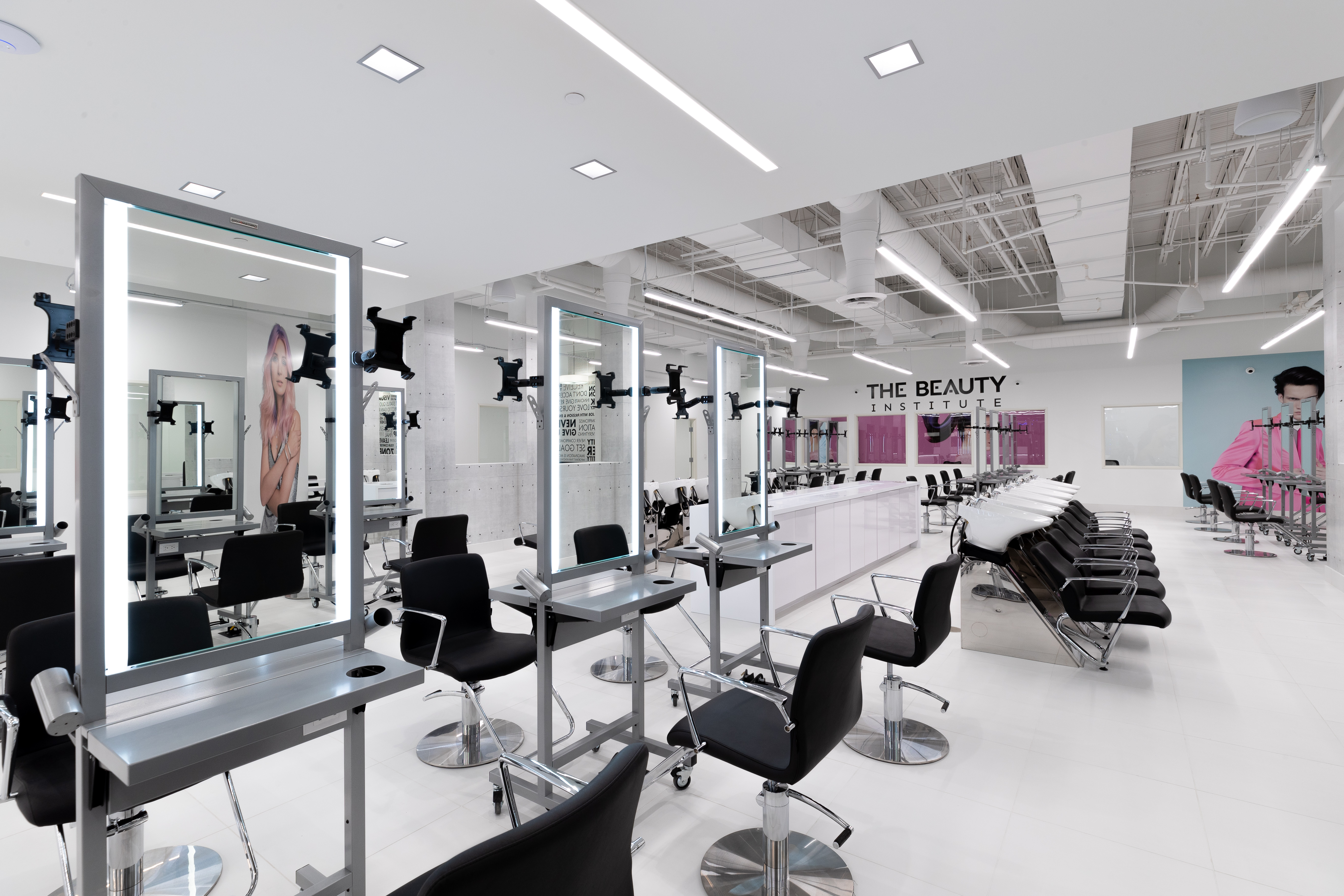
The Beauty Institute is a hyper-focused, career-first trade school where the classroom is a working salon and the curriculum is your hands. Forget sprawling quads and lecture halls; this is a fast-track into the beauty industry, built for students who want to trade theory for a styling chair as quickly as possible. It’s a pragmatic, no-frills environment where success is measured not in GPAs but in state licenses and client books.
More details
- Undergrad enrollment
- 18
- Top Majors
- Cosmetology, Barbering
- Financial Aid
- Title IV Federal Programs Available
- Program Focus
- Hands-on, career-oriented trade school
- Graduation Rate
- 79%
- Median Earnings (10yr)
- $23,023
- Student Body Demographics
- 35.7% Hispanic/Latino, 27.1% White, 25.7% Black
Outcomes & value
Outcomes & value
- Median earnings (10 yr)
- $23,023
- Value (earnings ÷ net price)
- 1.1×
- Pell (lower-income) share
- 57%
- First-gen share (among federal-aid recipients)
- 43%
Earnings = median of students working ~10 years after entry; debt = median of graduates. Value divides 10-yr earnings by one year’s net price — read it as earnings per dollar of annual cost, not a full lifetime ROI; it favors lower-cost schools. Source: U.S. Dept. of Education College Scorecard. Figures lag ~2 years and reflect all students, not your intended major.
Campus & location
Campus safety
- On-campus violent crimes (2024)
- 0
On-campus criminal offenses classed as violent (murder/non-negligent manslaughter, rape, robbery, aggravated assault) for the most recent reported year. Source: U.S. Dept. of Education Campus Safety and Security (Clery Act). Counts reflect what’s reported to the school, and urban campuses often report more partly due to non-student incidents nearby — read alongside campus size and setting, not as a standalone safety verdict.
Climate
- Pleasant days / yr
- 110
- Summer high
- 87°F
- Winter low
- 62°F
- Annual rain
- 64.9"
- Natural-hazard risk
- Relatively High
Pleasant days counts days per year with a mean temperature of 55–75°F, a high at or below 90°F, a low at or above 45°F, and little precipitation — a transparent comfort measure, not a weighting we invented. Computed from Open-Meteo ERA5 daily history (2019–2023). Natural-hazard risk is the county’s composite rating from the FEMA National Risk Index.
Quick answers
- How much does The Beauty Institute cost?
- At The Beauty Institute, the average net price (after aid) is about $20,896 per year. Actual cost varies with financial aid and residency.
- How many undergraduates attend The Beauty Institute?
- The Beauty Institute enrolls approximately 18 undergraduate students.
- Where is The Beauty Institute located?
- The Beauty Institute is located in West Palm Beach, FL.
Admissions
Admissions at The Beauty Institute are decidedly non-selective, reflecting its mission as an open-access career school. While some beauty institutes report as high as 100%, others like MAK Beauty Institute show a rate of 58.33%. The process is straightforward, prioritizing readiness for a hands-on program over traditional academic metrics. The enrolled student body is notably diverse, with 35.7% Hispanic or Latino, 27.1% White, 25.7% Black or African American, and 7.14% identifying as Two or More Races. There is no indication that the school employs Early Decision programs or considers demonstrated interest—its admissions model is built on accessibility, not exclusivity.
Academics
The academic offering is razor-sharp and singular in purpose: to train licensed beauty professionals. The institute offers only two majors: Cosmetology/Cosmetologist, General, and Barbering/Barber. The pedagogy is almost entirely hands-on, emphasizing 'fast entry to work, creative freedom, flexible hours and room to keep learning.' The school markets itself with 'Premier Education,' 'Passionate Educators,' and 'State-of-the-Art Facilities' designed to mimic a high-end salon environment. This practical focus leads to a common industry perspective, as noted in online forums, that 'it really doesn’t matter what school you attend' for licensure, placing the onus on the student's drive to extract value from the training. The workload is the program itself—mastering technical skills under the guidance of working professionals.
Compare The Beauty Institute
vs Livingstone Collegevs Florida Polytechnic Universityvs Inter American University of Puerto Rico-Fajardovs United States Coast Guard Academy
See colleges similar to The Beauty Institute →Sources
- 2023-2024 Common Data Set Template
- Common Data Set 2022-2023
- Common Data Set: Home
- Decoding the Common Data Set What You Need to Know for ...
- The Common Data Set: What It Is & How to Use It In ...
- Common Data Set 2023-2024 - Office of Institutional Research
- The Beauty Institute - Niche
- The Beauty Institute — Acceptance Rate, Costs & More
- First Class Cosmetology School Admissions: SAT, ACT & GPA ...
- The Beauty Institute (444404) - Data USA
- First-Year Class Profile - University of Illinois Admissions