Admit rate has ranged 46%–56% over the last 5 years — notably volatile. Source: IPEDS via Urban Institute.
Acceptance & SAT from Common Data Set / IPEDS; net price, earnings & graduation from the U.S. Dept. of Education College Scorecard. Figures lag ~1–2 years — verify with the school.
The College of Idaho is a small, residential liberal arts college in Caldwell that punches above its weight, offering a rigorous, hands-on curriculum within a tight-knit community known as the 'YoteFam.' It's the sort of place where every student completes a capstone project and has access to professors, not teaching assistants, creating an environment where ambition is nurtured on a human scale. While its sticker price is high, the school is aggressive with scholarships, making its distinctive blend of traditional liberal arts and practical, innovative pathways accessible to a broad range of Idahoans and beyond.
Admission requirements
Test-optional — scores considered if submitted
Required
High school transcript
Grade point average
TOEFL (non-native English)
Considered (not required)
Class rank
Letters of recommendation
Test scores (SAT/ACT)
College-prep program
Source: IPEDS Admissions survey (2022) via Urban Institute. Covers formal factors only — it does not reflect essays, extracurriculars, or other holistic criteria.
More details
Undergrad enrollment
1,041
In-state tuition
$37,845
Out-of-state tuition
$37,845
Application Fee
None
Graduation Rate
63%
Median Earnings (10yr)
$48,473
Outcomes & value
Outcomes & value
Median earnings (10 yr)
$48,473
Value (earnings ÷ net price)
2.5×
Median debt at graduation
$24,500
Graduation rate
63%
First-year retention
82%
Reducing loan balance (3 yr)
72%
Pell (lower-income) share
25%
First-gen share (among federal-aid recipients)
27%
Top-earning majors
Median earnings by field of study (highest credential), ~2 years after completion.
Business Administration, Management and Operations$31,890
Psychology, General$26,933
History$26,933
Natural Resources Conservation and Research$25,194
Social Sciences, Other$24,035
Health Services/Allied Health/Health Sciences, General$23,649
Campus & location
Campus safety
On-campus violent crimes (2024)
2
Per 1,000 students
1.83
On-campus criminal offenses classed as violent (murder/non-negligent manslaughter, rape, robbery, aggravated assault) for the most recent reported year. Source: U.S. Dept. of Education Campus Safety and Security (Clery Act). Counts reflect what’s reported to the school, and urban campuses often report more partly due to non-student incidents nearby — read alongside campus size and setting, not as a standalone safety verdict.
Climate
Pleasant days / yr
81
Summer high
91°F
Winter low
27°F
Annual rain
12.2"
Annual snow
17.9"
Natural-hazard risk
Relatively Low
Pleasant days counts days per year with a mean temperature of 55–75°F, a high at or below 90°F, a low at or above 45°F, and little precipitation — a transparent comfort measure, not a weighting we invented. Computed from Open-Meteo ERA5 daily history (2019–2023). Natural-hazard risk is the county’s composite rating from the FEMA National Risk Index.
Deep dive — research, future-scholar output & economic mobility▾
Research output
Institutional h-index
62
Scholarly works
793
Institutional research volume and impact from OpenAlex. The h-index reflects large research universities and will be low for teaching-focused liberal-arts colleges — not a measure of undergraduate quality.
Quick answers
What is the acceptance rate at The College of Idaho?
The College of Idaho's acceptance rate is approximately 49% (Caldwell, ID), based on the most recent figures we compiled from public and primary sources.
What SAT score do you need for The College of Idaho?
Admitted students at The College of Idaho typically score 1070–1280 on the SAT (the middle-50% range). Scores outside this band are still admitted, especially with strong applications.
How much does The College of Idaho cost?
At The College of Idaho, the average net price (after aid) is about $19,481 per year. Actual cost varies with financial aid and residency.
How many undergraduates attend The College of Idaho?
The College of Idaho enrolls approximately 1,041 undergraduate students.
Where is The College of Idaho located?
The College of Idaho is located in Caldwell, ID.
Admissions
With an hovering around 49%, The College of Idaho is selective but accessible, evaluating a holistic picture of each applicant. The middle 50% of admitted students who submit scores present SAT scores between 1070 and 1280. The admissions process is , and the college does not charge an application fee, actively encouraging students to apply. While the outlines various factors, the college's outreach suggests a focus on making the process barrier-free. First-year applicants can apply via Early Decision or Regular Decision, with dedicated application resources and deadlines outlined on the college's website.
Earnings = median of students working ~10 years after entry; debt = median of graduates. Value divides 10-yr earnings by one year’s net price — read it as earnings per dollar of annual cost, not a full lifetime ROI; it favors lower-cost schools. Source: U.S. Dept. of Education College Scorecard. Figures lag ~2 years and reflect all students, not your intended major.
Biology, General$22,192
Source: U.S. Dept. of Education College Scorecard (field-of-study earnings). Figures cover graduates who received federal aid and lag ~2 years; not all programs report data.
The academic experience is defined by a dynamic blend of rigorous liberal arts tradition and hands-on, innovative learning. The curriculum is designed to be immersive and practical, with 100% of students participating in a first-year experience and a senior capstone or culminating academic project. A signature program is the Engineering Dual-Degree major, which allows students to combine a liberal arts foundation with an engineering education. The environment is intensely personal: class sizes are small, and professors are noted for being accessible and dedicated to student success. This commitment extends to undergraduate research and creative projects, ensuring theoretical knowledge is consistently transformed into applied experience.
Life at COI is anchored in its residential, close-knit community, often referred to as the 'YoteFam.' The vibe is vibrant and participatory, with student life central to the college's mission. Students can engage through a wide array of clubs and organizations, including club and intramural sports, performing arts programs, Greek life, student government, and media groups. The college promotes a culture of getting involved, with opportunities for global study and outdoor programs that leverage Idaho's natural landscape. This focus on connection fosters an environment where students easily form strong friendships and meaningful connections with both peers and professors, creating a supportive and engaging campus atmosphere.
The College of Idaho produces solid outcomes that often lead the state's rankings, outperforming larger universities on key metrics. Its six-year graduation rate is 63%. For the class of 2026, the college was ranked #1 in the state, with evaluations based on criteria like graduation rate, cost, and safety. Post-graduation, the median earnings for students ten years after entry is $48,473. These figures underscore a return on investment that the college actively promotes, highlighting its effectiveness in preparing students for their next steps, whether in the Idaho workforce or beyond.
The published is significant, but The College of Idaho works aggressively to offset it with financial aid. The average after aid is $19,481. A very high percentage of full-time beginning undergraduates receive grant or scholarship aid—one source states 100%. The average financial aid package is substantial, reported as $34,599, which brings the average cost after scholarships and grants down to $22,602 for many students. The college encourages all families to use its Net Price Calculator for a personalized estimate and offers a range of undergraduate aid options, including scholarships, grants, loans, and work-study. It's important to note that while aid is generous, the college's standard loan offerings (like Direct Unsubsidized Loans) are need-agnostic and accrue interest immediately, indicating it does not have a universal 'no-loan' policy for all qualifying students.
The College of Idaho stands out for its potent combination of scale, rigor, and community. It's a small liberal arts college that has carved a distinct niche by refusing to be purely theoretical. The 100% participation in capstone projects and undergraduate research signals a commitment to applied learning that rivals larger institutions. Its #1 in-state ranking is a point of pride, demonstrating that it delivers strong outcomes—in graduation rates and post-graduate earnings—on a manageable, human scale. The 'YoteFam' isn't just marketing; it's the lived experience of a residential campus where professors know their students' names and ambitions. Furthermore, by eliminating the application fee and being , it practices an uncommon accessibility for a private institution, actively inviting a wider pool of students to experience its unique blend of traditional liberal arts and hands-on innovation.
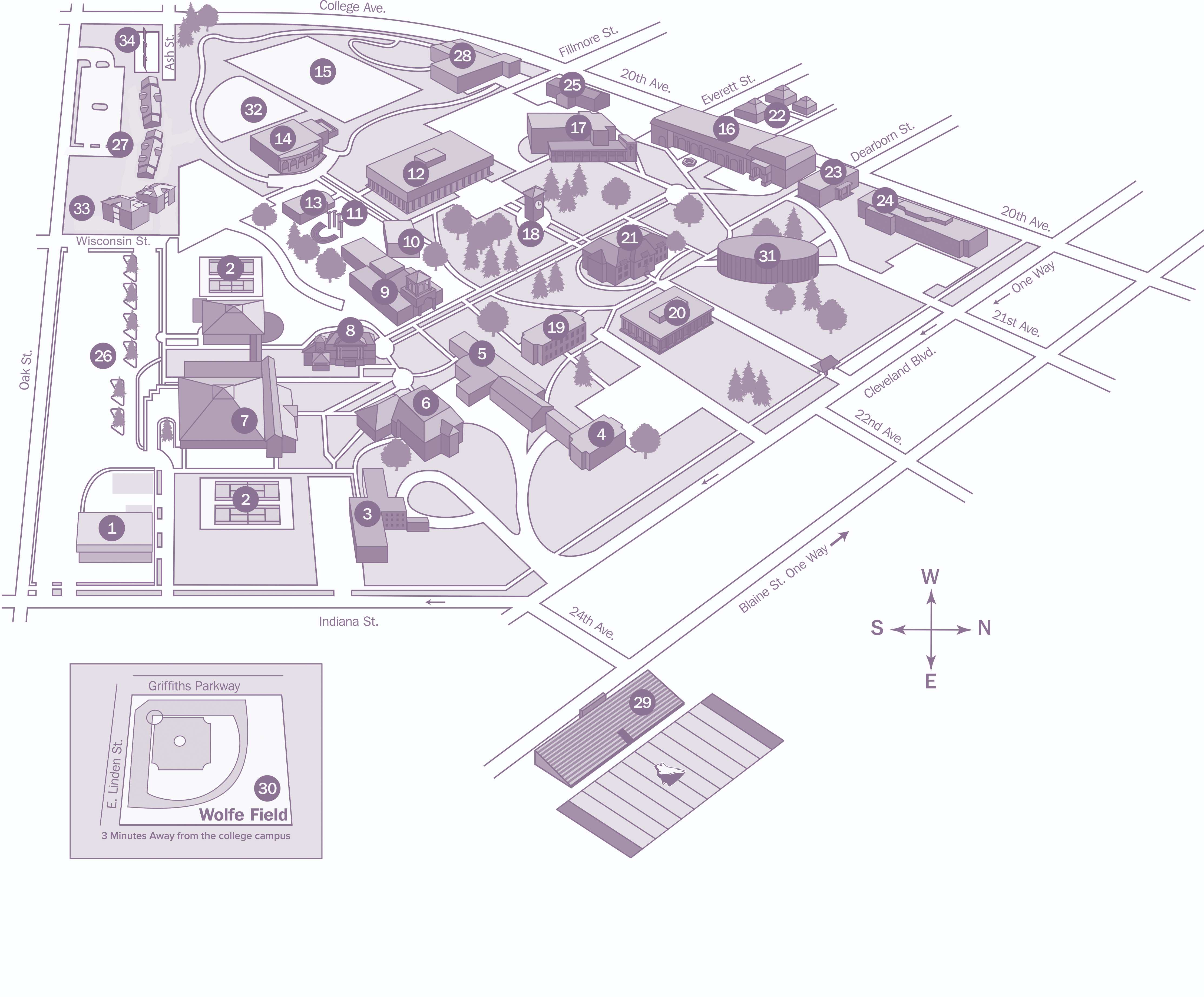
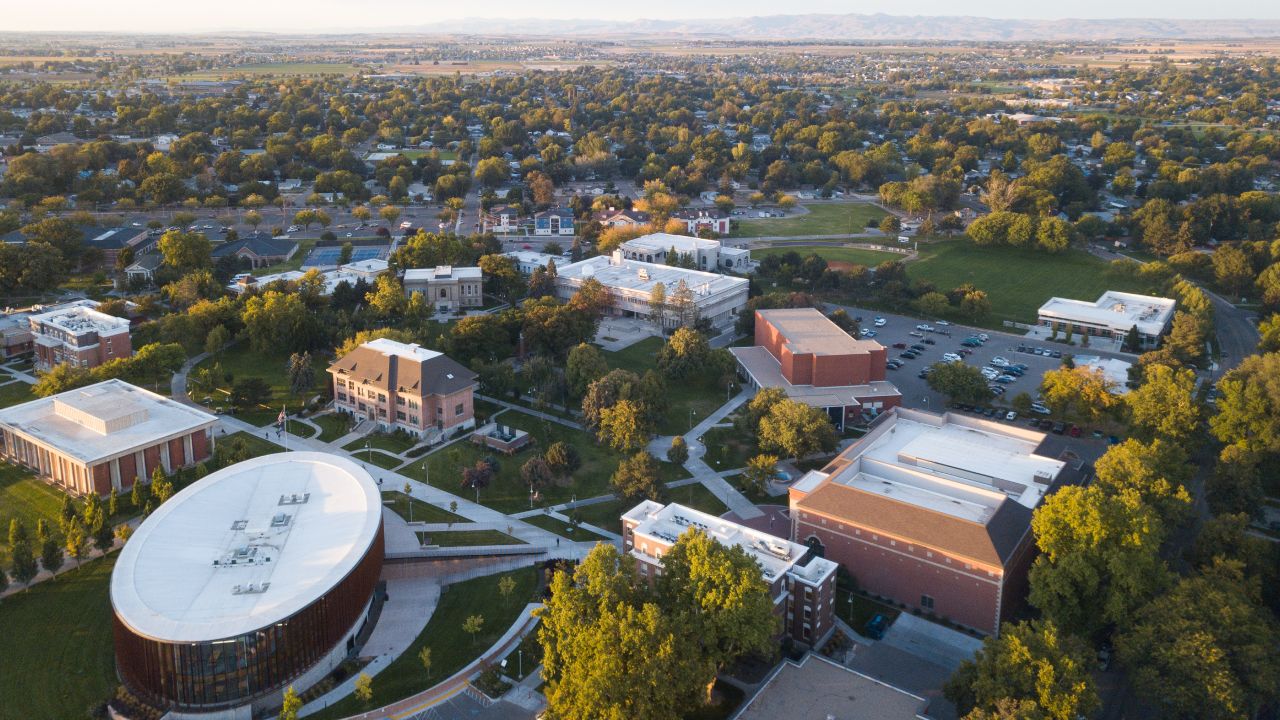
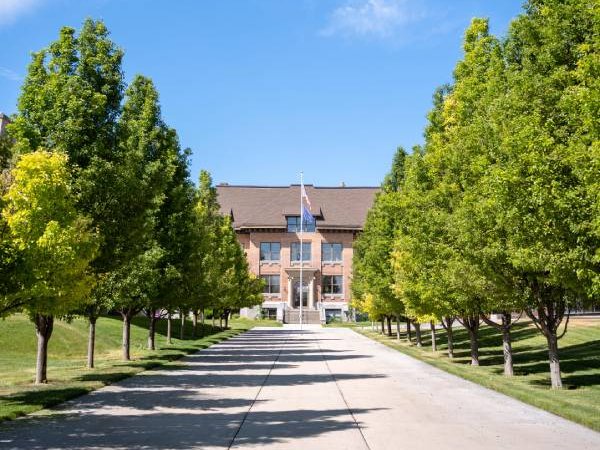
The College of Idaho seal · sourceCampus Map | The College of Idaho · sourceCollege of Idaho Top 120 US News Best College Rankings · sourceAbout The College of Idaho | The College of Idaho · source
.jpg?width=1600)