Loading…
← All schools
The College of the Florida Keys
Key West, FLpubliccfk.edu
Avg net price
$13,636
Earnings (10 yr)
$42,508
Graduation rate
34%
Acceptance & SAT from Common Data Set / IPEDS; net price, earnings & graduation from the U.S. Dept. of Education College Scorecard. Figures lag ~1–2 years — verify with the school.
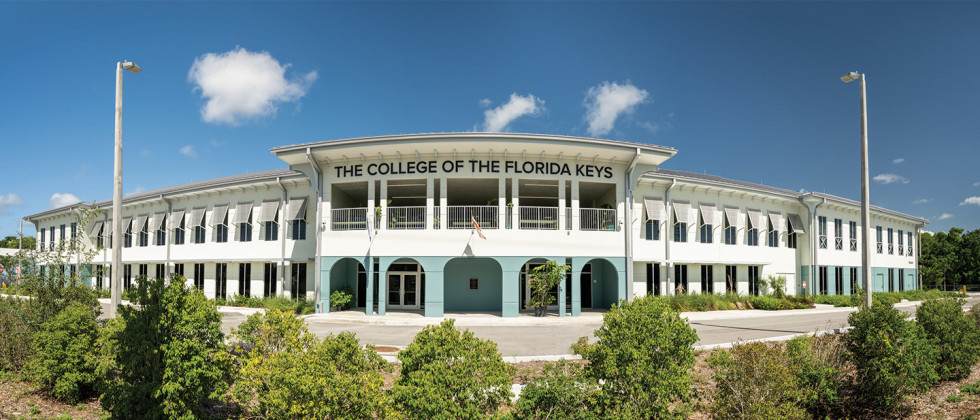
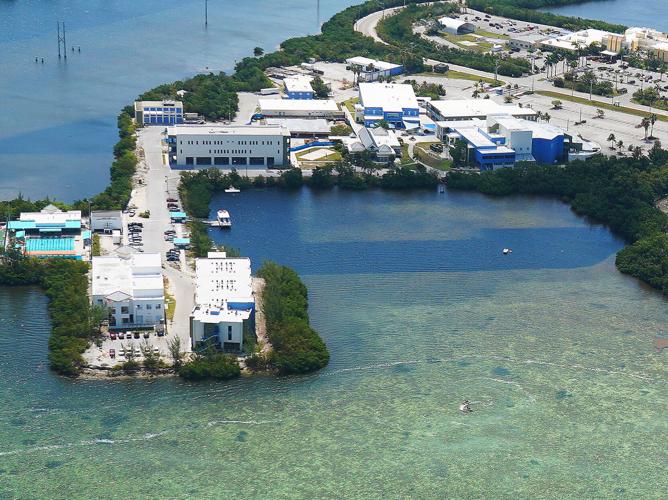
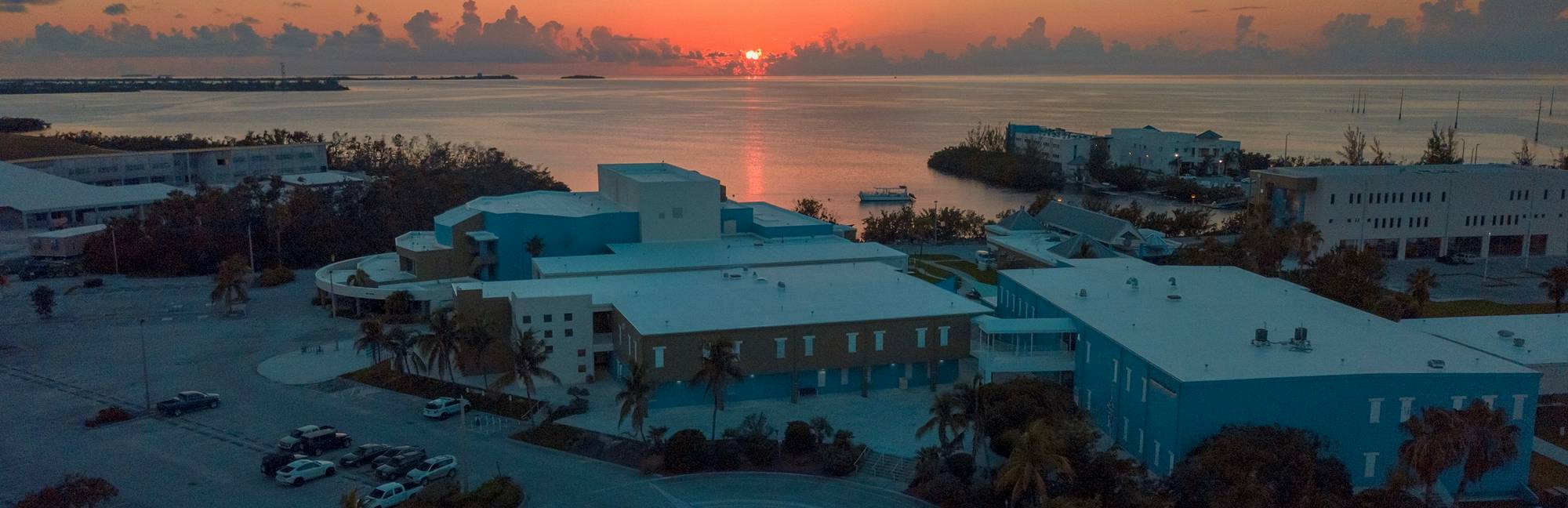
The College of the Florida Keys is not your typical community college. It’s a hyper-local, open-access institution that uses its singular location at the end of the Florida Keys as its primary classroom, specializing in marine science, diving, and hospitality with a practical, career-focused intensity. The vibe is less about sprawling campuses and football games, and more about small classes, direct access to professors, and preparing for work in a unique island economy where the ocean is both a resource and a laboratory. It serves a specific, often non-traditional student body with a mission rooted in accessibility and regional workforce development.
More details
- Undergrad enrollment
- 1,012
- In-state tuition
- $3,276
- Out-of-state tuition
- $13,162
- Top Majors
- Nursing, Liberal Arts, Business, EMT
- Graduation Rate
- 34%
- Average Federal Grant
- $5,665
- Student-Faculty Ratio
- 12:1
- Median Earnings (10yr)
- $42,508
- Average Debt at Graduation
- $5,408
- Average Institutional Grant
- $1,887
Outcomes & value
Outcomes & value
- Median earnings (10 yr)
- $42,508
- Value (earnings ÷ net price)
- 3.1×
- Median debt at graduation
- $9,500
- Graduation rate
- 34%
- Reducing loan balance (3 yr)
- 45%
- Pell (lower-income) share
- 28%
- First-gen share (among federal-aid recipients)
- 42%
Earnings = median of students working ~10 years after entry; debt = median of graduates. Value divides 10-yr earnings by one year’s net price — read it as earnings per dollar of annual cost, not a full lifetime ROI; it favors lower-cost schools. Source: U.S. Dept. of Education College Scorecard. Figures lag ~2 years and reflect all students, not your intended major.
Campus & location
Campus safety
- On-campus violent crimes (2024)
- 2
On-campus criminal offenses classed as violent (murder/non-negligent manslaughter, rape, robbery, aggravated assault) for the most recent reported year. Source: U.S. Dept. of Education Campus Safety and Security (Clery Act). Counts reflect what’s reported to the school, and urban campuses often report more partly due to non-student incidents nearby — read alongside campus size and setting, not as a standalone safety verdict.
Climate
- Pleasant days / yr
- 70
- Summer high
- 85°F
- Winter low
- 71°F
- Annual rain
- 42.8"
- Natural-hazard risk
- Relatively Moderate
Pleasant days counts days per year with a mean temperature of 55–75°F, a high at or below 90°F, a low at or above 45°F, and little precipitation — a transparent comfort measure, not a weighting we invented. Computed from Open-Meteo ERA5 daily history (2019–2023). Natural-hazard risk is the county’s composite rating from the FEMA National Risk Index.
Quick answers
- How much does The College of the Florida Keys cost?
- At The College of the Florida Keys, the average net price (after aid) is about $13,636 per year. Actual cost varies with financial aid and residency.
- How many undergraduates attend The College of the Florida Keys?
- The College of the Florida Keys enrolls approximately 1,012 undergraduate students.
- Where is The College of the Florida Keys located?
- The College of the Florida Keys is located in Key West, FL.
Admissions
CFK operates on an open admissions policy, meaning any student with a high school diploma or GED is eligible for admission. This is a core part of its mission as a public member of the Florida College System, dedicated to serving the diverse educational needs of its community. The process is straightforward: complete an online application and submit a $30 fee, though this fee is waived for Dual Enrollment and Workforce students. While the school is open-access, it does track application numbers; one source reported 25,034 applications with 14,729 acceptances and 1,025 enrolled, though these figures should be interpreted in the context of an open-door institution where many may apply but not all intend to enroll. There is no mention of standardized test scores (SAT/ACT) being a barrier for admission, aligning with its accessible mission. The student body is a mix of full-time and part-time learners, with a headcount enrollment of 823 students.
Compare The College of the Florida Keys
vs University of Science and Arts of Oklahomavs Northwestern Oklahoma State Universityvs University of Virginia's College at Wisevs Texas A&M University-Texarkana
See colleges similar to The College of the Florida Keys →Sources
- CFK Fact Book 2024
- Common Data Set Explorer 2026: Compare 100 Colleges
- Admissions
- Table of Contents
- The College of the Florida Keys | College Scorecard
- The College of the Florida Keys Statistics
- The College of the Florida Keys - Tuition and Acceptance ...
- The College of the Florida Keys
- The College of the Florida Keys | Class of 2030 Community
- College Of The Florida Keys - BigFuture
- The College of the Florida Keys in Key West, FL