Loading…
← All schools
The Esthetic Institute
Vienna, VAprivate forprofitestheticinstitute.com/
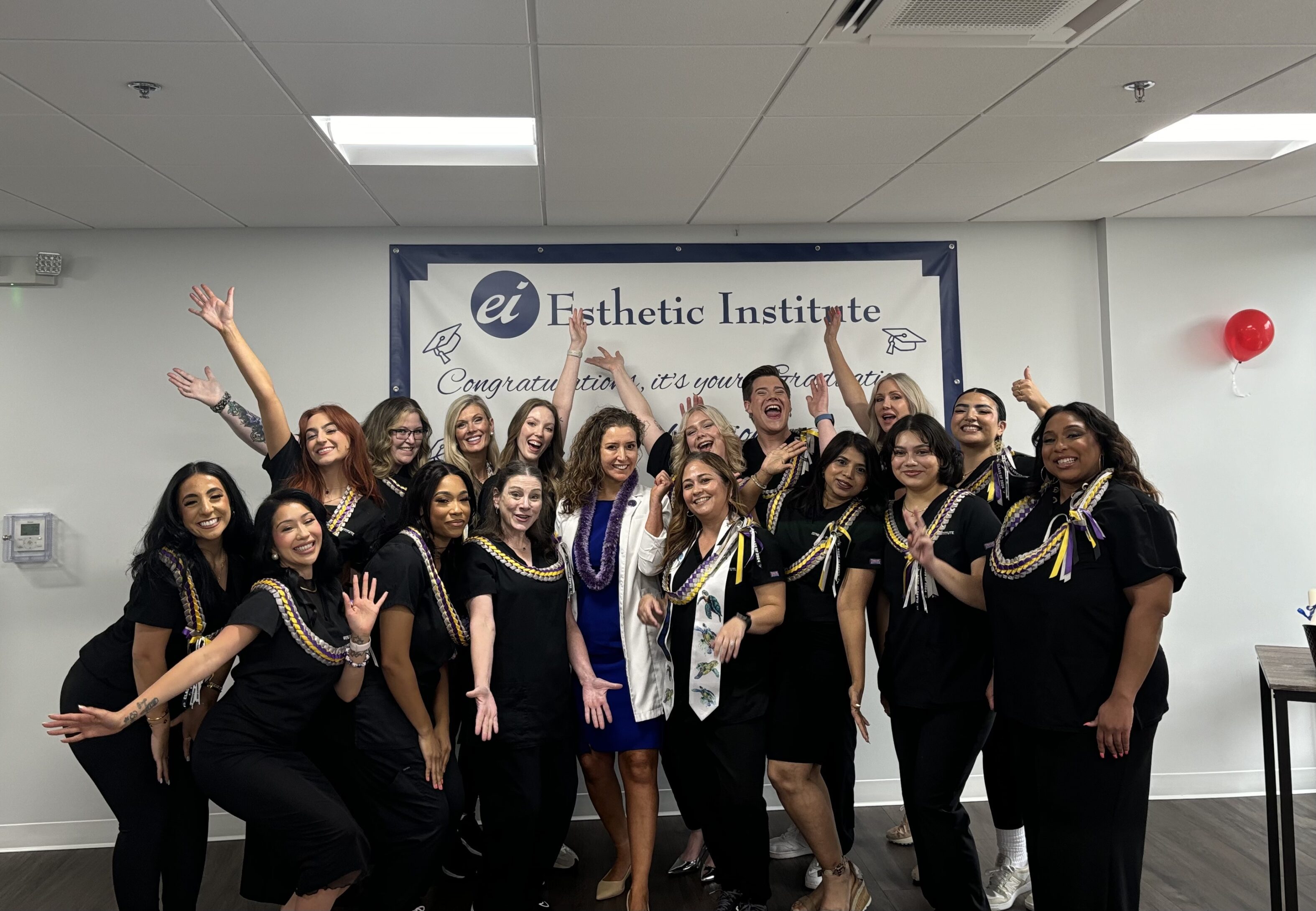
The Esthetic Institute is a private, single-purpose vocational school in Vienna, Virginia, laser-focused on turning out licensed beauty professionals. Founded in 1992, it operates with the no-nonsense, open-access ethos of a trade school, offering intensive, hands-on programs in esthetics, master esthetics, nails, and permanent makeup. This is not a traditional liberal arts college; it's a career launchpad where the classroom is a working spa, the curriculum is the state board exam, and success is measured by a license and a job.
More details
- Undergrad enrollment
- 66
- Founded
- 1992
- Program Focus
- Esthetics, Master Esthetics, Nails, PMU
- Institution Type
- Private Vocational School
- Standardized Tests
- Not Considered
- On-Time Completion Rate
- 79%
- Graduation Rate (6-year)
- 88%
- Median Earnings (1yr after)
- $36,427
Outcomes & value
Outcomes & value
- Pell (lower-income) share
- 29%
Earnings = median of students working ~10 years after entry; debt = median of graduates. Value divides 10-yr earnings by one year’s net price — read it as earnings per dollar of annual cost, not a full lifetime ROI; it favors lower-cost schools. Source: U.S. Dept. of Education College Scorecard. Figures lag ~2 years and reflect all students, not your intended major.
Campus & location
Campus safety
- On-campus violent crimes (2024)
- 0
On-campus criminal offenses classed as violent (murder/non-negligent manslaughter, rape, robbery, aggravated assault) for the most recent reported year. Source: U.S. Dept. of Education Campus Safety and Security (Clery Act). Counts reflect what’s reported to the school, and urban campuses often report more partly due to non-student incidents nearby — read alongside campus size and setting, not as a standalone safety verdict.
Climate
- Pleasant days / yr
- 95
- Summer high
- 86°F
- Winter low
- 32°F
- Annual rain
- 39.4"
- Annual snow
- 11.5"
- Natural-hazard risk
- Relatively High
Pleasant days counts days per year with a mean temperature of 55–75°F, a high at or below 90°F, a low at or above 45°F, and little precipitation — a transparent comfort measure, not a weighting we invented. Computed from Open-Meteo ERA5 daily history (2019–2023). Natural-hazard risk is the county’s composite rating from the FEMA National Risk Index.
Quick answers
- How much does The Esthetic Institute cost?
- At The Esthetic Institute, the average net price (after aid) is about $22,147 per year. Actual cost varies with financial aid and residency.
- How many undergraduates attend The Esthetic Institute?
- The Esthetic Institute enrolls approximately 66 undergraduate students.
- Where is The Esthetic Institute located?
- The Esthetic Institute is located in Vienna, VA.
Admissions
The admissions process at The Esthetic Institute is fundamentally different from that of a traditional college or university. It operates on an open admission policy, a model where virtually all secondary school graduates or students with a GED are admitted, provided they meet the basic requirements for their chosen program. This is reflected in its reported 100% acceptance rate. The institute does not consider standardized test scores like the SAT or ACT—its admissions materials make no mention of them, and third-party aggregators list these scores as 'Not Available' or 'NA' for the middle 50% of admitted students. Similarly, there is no reported GPA requirement for incoming students. The primary academic hurdle is proof of secondary school completion; the school states it 'does not accept ATB tests' but, for programs of 600 clock hours or longer, will consider applicants without a high school diploma if they can demonstrate an 'ability to benefit' through an alternative method. The process is streamlined and vocational: applicants are likely evaluated on their readiness to undertake a focused, hands-on training program rather than on a holistic academic profile. There is no indication that the school has an Early Decision or Early Action process, which are typically features of selective undergraduate institutions. The concept of 'demonstrated interest'—a factor tracked in the for traditional colleges—is not applicable here in the conventional sense; interest is demonstrated by applying to a specific, career-oriented program.
Compare The Esthetic Institute
See colleges similar to The Esthetic Institute →Sources
- [PDF] Common Data Set 2024-2025 - FIU
- [PDF] 2023-2024 COMMON DATA SET
- Common Data Set: Home
- How To Use a Common Data Set - The College Solution
- Demystifying the Common Data Set - Top Tier Admissions
- The Common Data Set: What It Is & How to Use It In College ...
- Admission - Esthetic Institute
- The Esthetic Institute - Niche
- The Esthetic Institute Statistics | Overgrad
- The Esthetic Institute — Acceptance Rate, Costs & More
- Southeastern Esthetics Institute Admissions - BigFuture
- FAQs - Esthetic Institute