Loading…
← All schools
The Fab School
Rancho Cucamonga, CAprivate forprofitthefabschool.com
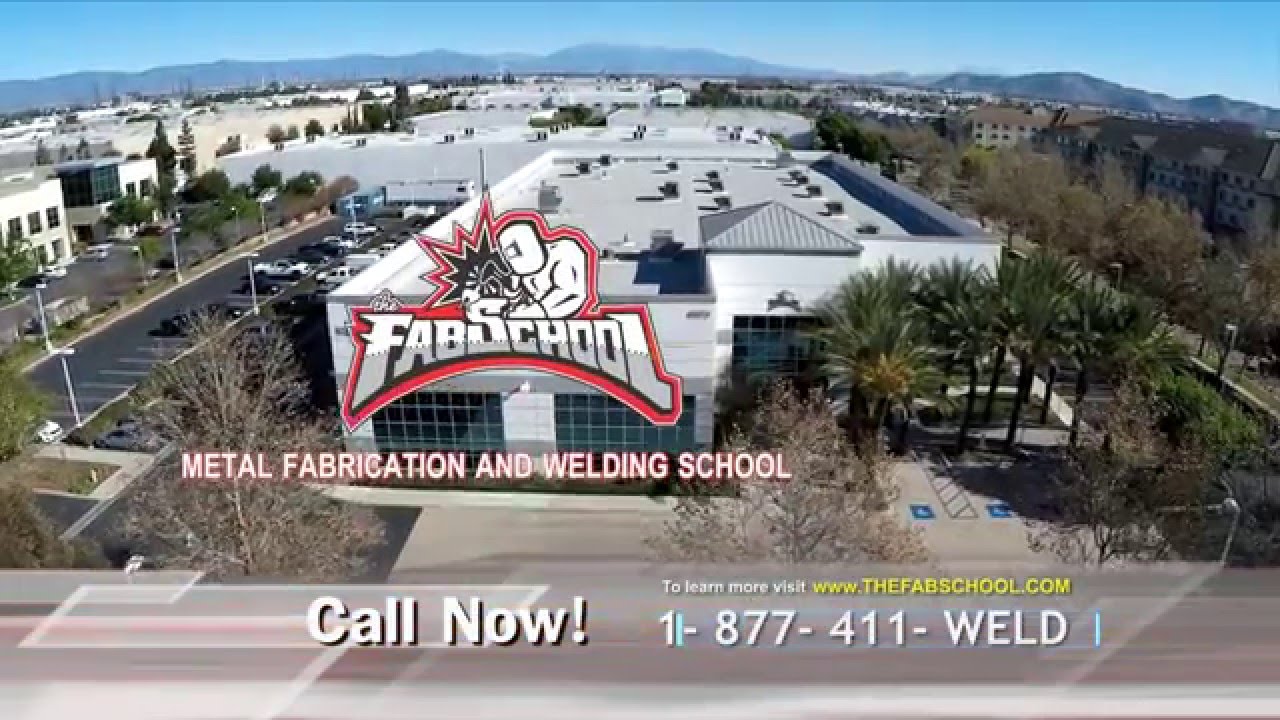
The Fab School is not your typical college. It’s a hyper-specialized, private trade school in Rancho Cucamonga, California, laser-focused on turning out skilled metal fabricators and welders for the automotive and off-road industries. With a 100% acceptance rate and a 95% graduation rate, it operates on a radically different model: open admissions paired with intensive, hands-on shop training that yields graduates with a median income above the national average. Forget lecture halls; this is a place where the curriculum is grease, sparks, and the art of bending metal to your will.
More details
- Undergrad enrollment
- 161
- Top Major
- Precision Metal Working
- Gender Distribution
- 96.3% men, 3.7% women
- Student-Faculty Ratio
- 11:1
- Graduation Rate (6-yr)
- 95%
- Median Earnings (6yr after entry)
- $49,130
Outcomes & value
Outcomes & value
- Reducing loan balance (3 yr)
- 65%
- Pell (lower-income) share
- 37%
- First-gen share (among federal-aid recipients)
- 53%
Earnings = median of students working ~10 years after entry; debt = median of graduates. Value divides 10-yr earnings by one year’s net price — read it as earnings per dollar of annual cost, not a full lifetime ROI; it favors lower-cost schools. Source: U.S. Dept. of Education College Scorecard. Figures lag ~2 years and reflect all students, not your intended major.
Campus & location
Campus safety
- On-campus violent crimes (2024)
- 0
On-campus criminal offenses classed as violent (murder/non-negligent manslaughter, rape, robbery, aggravated assault) for the most recent reported year. Source: U.S. Dept. of Education Campus Safety and Security (Clery Act). Counts reflect what’s reported to the school, and urban campuses often report more partly due to non-student incidents nearby — read alongside campus size and setting, not as a standalone safety verdict.
Climate
- Pleasant days / yr
- 177
- Summer high
- 92°F
- Winter low
- 46°F
- Annual rain
- 21.3"
- Annual snow
- 1.4"
- Natural-hazard risk
- Very High
Pleasant days counts days per year with a mean temperature of 55–75°F, a high at or below 90°F, a low at or above 45°F, and little precipitation — a transparent comfort measure, not a weighting we invented. Computed from Open-Meteo ERA5 daily history (2019–2023). Natural-hazard risk is the county’s composite rating from the FEMA National Risk Index.
Quick answers
- How much does The Fab School cost?
- At The Fab School, the average net price (after aid) is about $37,713 per year. Actual cost varies with financial aid and residency.
- How many undergraduates attend The Fab School?
- The Fab School enrolls approximately 161 undergraduate students.
- Where is The Fab School located?
- The Fab School is located in Rancho Cucamonga, CA.
Admissions
The Fab School's admissions philosophy is defined by its open-door policy. Unlike the fiercely competitive landscape of traditional four-year colleges, this institution maintains a 100% acceptance rate, admitting virtually all applicants with a high school diploma or GED. This places it in stark contrast to the national average of around 68%. The process is straightforward, focused on career intent rather than academic pedigree; standardized test scores like the SAT or ACT are not reported as part of admissions criteria. The student body is small, with a total enrollment of 161, and is overwhelmingly male (96.3%) and predominantly White (49.6%) and Hispanic or Latino (29.8%). There is no mention of an Early Decision program or a policy of considering demonstrated interest, aligning with its mission of accessible career training.
Academics
Academics here are synonymous with applied, hands-on skill-building. The school's entire identity is built around teaching "the art and science of welding and metal fabrication in a true shop environment with an emphasis on off-road and automotive applications." Programs are a deliberate blend of required participation, academics, and practical "shop" experiences. The curriculum is designed to teach major prototyping skills, with weekly tasks and mentoring support. The flagship and top major is . Instruction is intensive, with a reported student-faculty ratio of 11:1, allowing for close supervision in the shop. Programs have defined lengths (e.g., a 600-hour program), and the catalog outlines a structured path combining technical knowledge with the physical mastery of fabrication tools and techniques.
Compare The Fab School
See colleges similar to The Fab School →Sources
- Common Data Set: Home
- Common Data Set 2024-2025
- How To Use a Common Data Set
- Where to find Common Data Set (CDS) for college ...
- What is the Common Data Set?
- The Common Data Set: What It Is & How to Use It In ...
- The Fab School
- Admissions | Advanced Welding, 3D Modeling Classes & ...
- The Fab School — Acceptance Rate, Costs & More
- The Fab School
- The Fab School - Rancho Cucamonga, CA