Admit rate has ranged 7%–11% over the last 5 years. Source: IPEDS via Urban Institute.
Acceptance & SAT from Common Data Set / IPEDS; net price, earnings & graduation from the U.S. Dept. of Education College Scorecard. Figures lag ~1–2 years — verify with the school.
The Juilliard School is not just a college; it's a high-stakes, high-reward proving ground for the world's most promising performing artists. Nestled in the cultural heart of New York City, this intensely selective conservatory—with an acceptance rate hovering near single digits—operates more like a professional company than a typical undergraduate institution, where the 4:1 student-to-faculty ratio ensures a master-apprentice level of training. Its graduates don't just get degrees; they launch careers on the world's most prestigious stages, though the financial calculus of an arts career is starkly different from that of a liberal arts college.
Admission requirements
Test-blind — scores not considered
Required
High school transcript
Letters of recommendation
Demonstrated competencies
TOEFL (non-native English)
Source: IPEDS Admissions survey (2022) via Urban Institute. Covers formal factors only — it does not reflect essays, extracurriculars, or other holistic criteria.
Key deadlines (2026-2027)
Early Action — Early Action
December 1, 2026
Regular Decision — Regular Decision
January 15, 2027
Financial Aid — Financial Aid Priority Deadline (FAFSA & CSS Profile)
February 15, 2027
More details
Undergrad enrollment
468
In-state tuition
$57,950
Out-of-state tuition
$57,950
Campus Setting
Urban (New York City)
Popular Majors
Musical Instruments, Dance, Acting
Graduation Rate
93%
Meets Full Need
No
Median Earnings (10yr)
$37,827
Student-to-Faculty Ratio
4:1
Regular Decision Deadline
December 1
Outcomes & value
Outcomes & value
Median earnings (10 yr)
$37,827
Value (earnings ÷ net price)
0.9×
Median debt at graduation
$25,500
Graduation rate
93%
First-year retention
98%
Reducing loan balance (3 yr)
70%
Pell (lower-income) share
14%
Endowment / student
$1,554,710
Earnings = median of students working ~10 years after entry; debt = median of graduates. Value divides 10-yr earnings by net price — read it as earnings per dollar of annual cost, not a full lifetime ROI; it favors lower-cost schools. Source: U.S. Dept. of Education College Scorecard. Figures lag ~2 years and reflect all students, not your intended major.
Campus & location
Campus safety
On-campus violent crimes (2024)
0
Per 1,000 students
0.00
On-campus criminal offenses classed as violent (murder/non-negligent manslaughter, rape, robbery, aggravated assault) for the most recent reported year. Source: U.S. Dept. of Education Campus Safety and Security (Clery Act). Counts reflect what’s reported to the school, and urban campuses often report more partly due to non-student incidents nearby — read alongside campus size and setting, not as a standalone safety verdict.
Climate
Pleasant days / yr
90
Summer high
83°F
Winter low
29°F
Annual rain
54.3"
Annual snow
19.2"
Natural-hazard risk
Relatively High
Pleasant days counts days per year with a mean temperature of 55–75°F, a high at or below 90°F, a low at or above 45°F, and little precipitation — a transparent comfort measure, not a weighting we invented. Computed from Open-Meteo ERA5 daily history (2019–2023). Natural-hazard risk is the county’s composite rating from the FEMA National Risk Index.
Deep dive — research, future-scholar output & economic mobility▾
Research output
Institutional h-index
16
Scholarly works
193
Institutional research volume and impact from OpenAlex. The h-index reflects large research universities and will be low for teaching-focused liberal-arts colleges — not a measure of undergraduate quality.
Quick answers
What is the acceptance rate at The Juilliard School?
The Juilliard School's acceptance rate is approximately 9% (New York, NY), based on the most recent figures we compiled from public and primary sources.
How much does The Juilliard School cost?
At The Juilliard School, the average net price (after aid) is about $43,571 per year. Actual cost varies with financial aid and residency.
How many undergraduates attend The Juilliard School?
The Juilliard School enrolls approximately 468 undergraduate students.
Where is The Juilliard School located?
The Juilliard School is located in New York, NY.
Admissions
Gaining admission to Juilliard is a feat of artistic, not just academic, excellence. The process is famously selective, with an of 9% based on 2,065 applications leading to 189 admissions. Crucially, the gate is an audition, not a standardized test—SAT and ACT scores are not required for most applicants. The regular decision deadline is December 1, and the school does not offer Early Action or Early Decision programs. The admissions policy is need-blind, meaning financial aid applications do not affect admission decisions. While the is a standard source for understanding how colleges weigh factors like 'demonstrated interest,' Juilliard's unique, audition-centric process places overwhelming importance on artistic talent and potential above all else.
Juilliard's curriculum is a deep, disciplined immersion into the performing arts, structured around its three legendary divisions: Dance, Drama, and Music—the last being the largest and oldest. The academic model is conservatory-focused, with a remarkably intimate 4:1 student-to-faculty ratio that facilitates intense, personalized mentorship. Undergraduate students, while honing their craft for hours each day, also engage in a required liberal arts core, taking classes in literature, philosophy, history, social sciences, arts, and languages to provide a broader intellectual context. The school offers 13 majors, with popular concentrations including Musical Instruments, Dance, and Acting. This singular focus produces exceptional outcomes, with a 93% graduation rate—a testament to the high level of commitment and support within the program.
Life at Juilliard is all-consuming, set against the relentless energy of its Lincoln Center home in New York City. The undergraduate student body is small, with about 467 students, creating a tight-knit, highly driven community. The Office of Student Affairs and campus life programs work to provide crucial balance, offering support networks, innovative social activities, leadership opportunities, and cultural diversity events. An unofficial student guide advises taking time to socialize, nap, and get outside the school bubble—essential advice in an environment known for its intense pressure. Campus housing costs an average of $23,530 per year, and students report feeling extremely safe on campus. The urban setting means the resources of New York City—its performances, museums, and energy—are an integral part of the daily educational experience.
A Juilliard diploma is a passport to the professional performing arts world, though the financial trajectory differs from traditional colleges. The school reports a robust 93% graduation rate. The median earnings for students ten years after entry are $37,827. Other sources note average early-career earnings around $31,000, with figures like $33,800 after six years and $43,000 after eight years appearing in outcomes data. It's critical to understand that these earnings figures reflect the unique economics of careers in the arts—where success is often measured in artistic impact and professional reputation rather than starting salary. The high graduation rate and the school's global reputation indicate that graduates are exceptionally well-prepared to pursue their chosen paths, whether in orchestras, dance companies, theater, or film.
Attending one of the world's premier conservatories carries a significant price tag, but Juilliard is committed to making it accessible through substantial financial aid. The average after aid is $43,571. A large majority of students receive support, with 73.7% receiving financial aid and an average aid package of $48,135. The school emphasizes that in recent years, more than 90 percent of students have received scholarship assistance. Juilliard offers a Net Price Calculator to provide families with a broad, unofficial estimate of costs, which includes federal aid, New York State aid for residents, and institutional scholarships. The admissions process is need-blind. However, the school states that while it makes every effort to assist as many students as possible, it is unable to meet the full demonstrated financial need of all who apply. Need-based and unsubsidized loans are part of the aid package for those who qualify.
Juilliard stands alone as the definitive apex conservatory in the United States, a reputation built on a century of producing artists who define excellence in performance. Its singularity lies in the fusion of extreme selectivity (a 9% ) with an almost monastic focus on craft, all situated in the demanding, inspiring crucible of New York City. Unlike universities with broad curricula, Juilliard's identity is its trio of legendary divisions—Dance, Drama, and Music—each operating at a professional intensity from day one. The 4:1 student-to-faculty ratio isn't a luxury; it's the essential mechanism for the master-apprentice training that transforms talented students into working artists. This creates a culture that is both fiercely competitive and profoundly supportive, where everyone is striving for a nearly impossible standard. The outcome is a 93% graduation rate and a alumni network that reads like a who's who of the performing arts world. Choosing Juilliard isn't about getting a college education; it's about committing to a lifelong identity as an artist at the highest level.
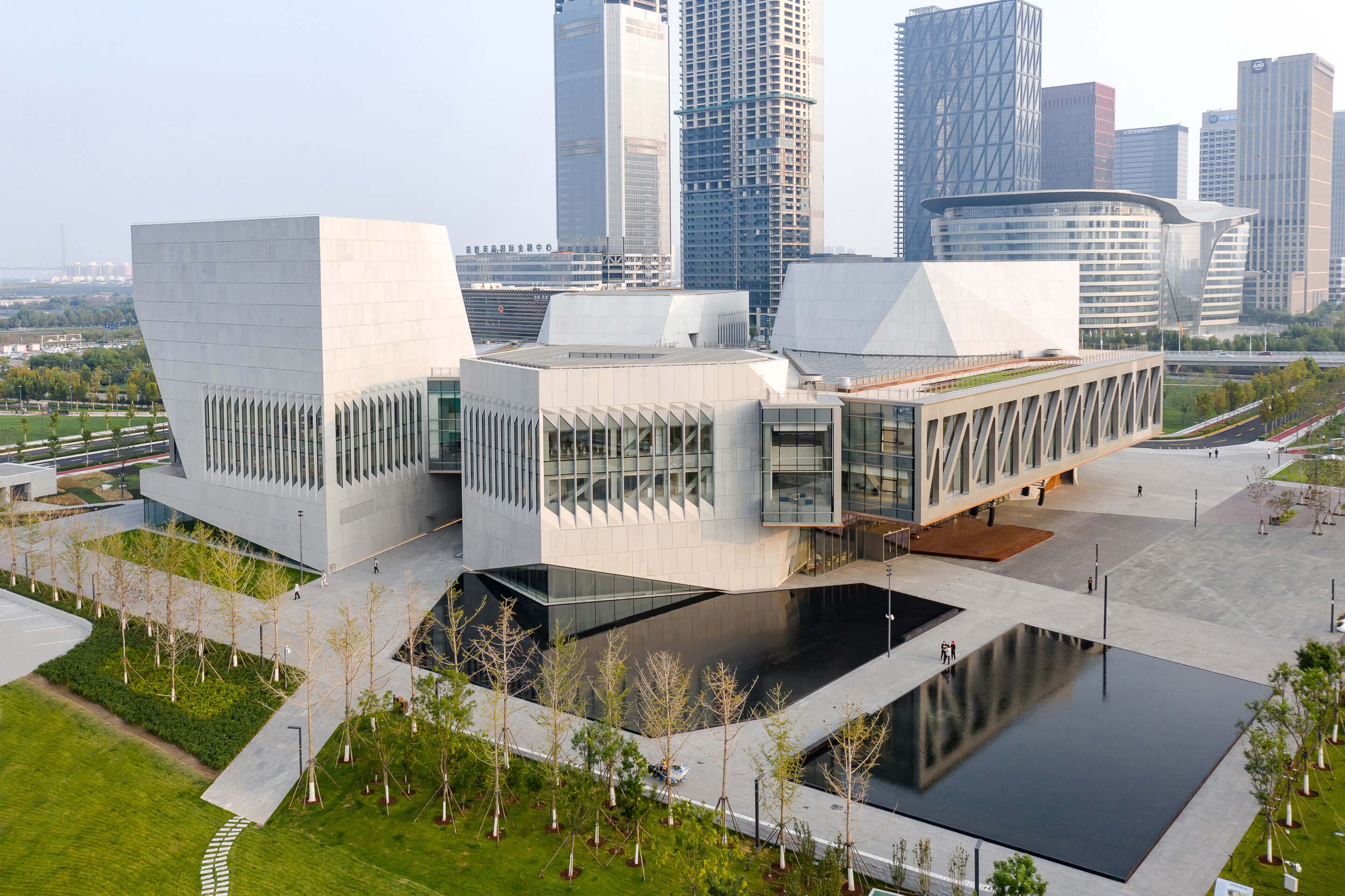
The Juilliard School seal · sourceJuilliard School - Profile, Rankings and Data | US News Best Colleges · sourceDiller Scofidio + Renfro shares photography of the newly completed Tianjin Juilliard School · sourceThe Juilliard School Breaks Ground in China on Its First Overseas Campus, Releases Designs for The Tianjin Juilliard School | The Juilliard School · source