Loading…
← All schools
The Landing School
Arundel, MEprivate nonprofitwww.landingschool.edu/
Avg net price
$35,532
Earnings (10 yr)
$65,849
Acceptance & SAT from Common Data Set / IPEDS; net price, earnings & graduation from the U.S. Dept. of Education College Scorecard. Figures lag ~1–2 years — verify with the school.
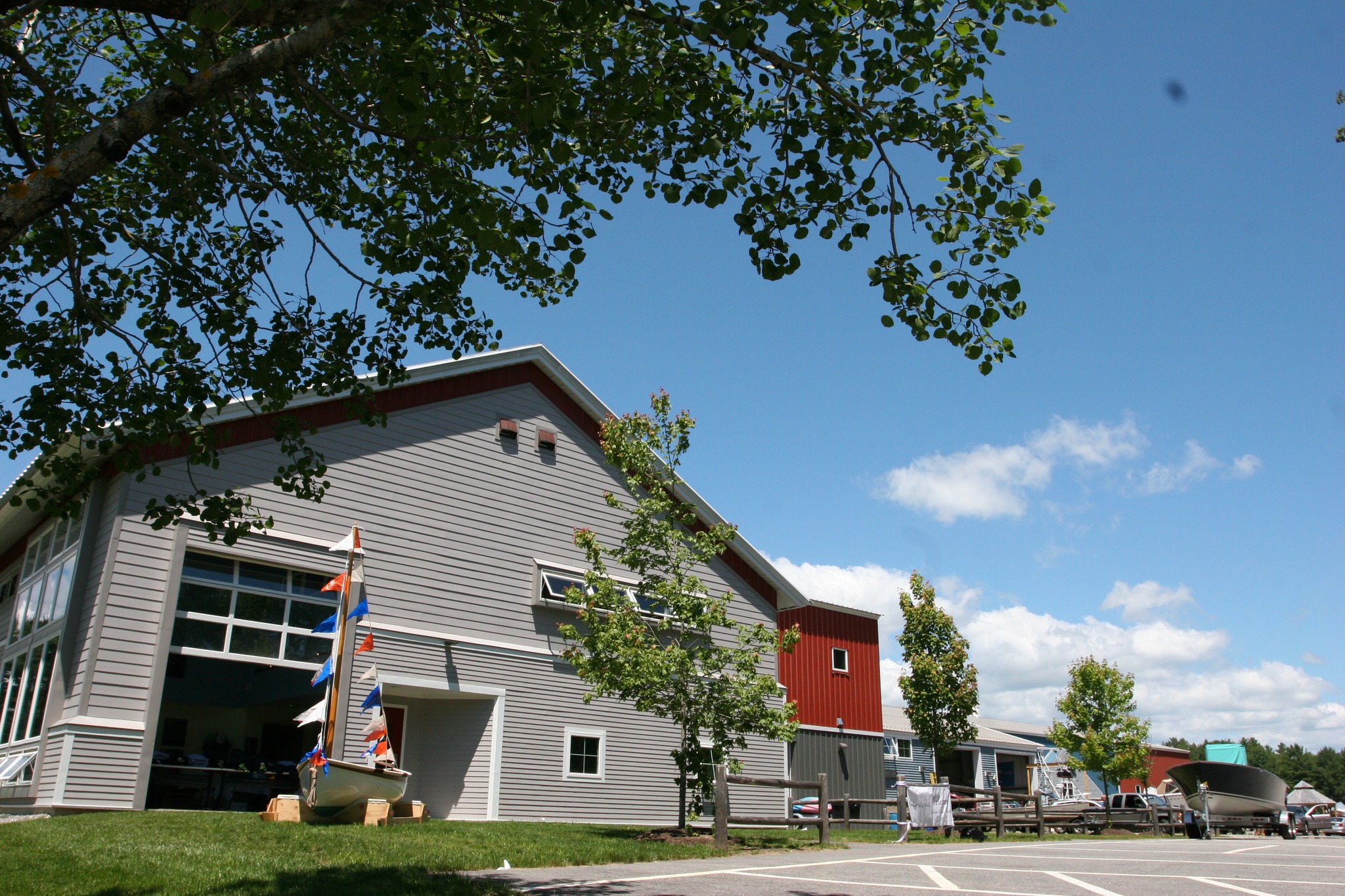
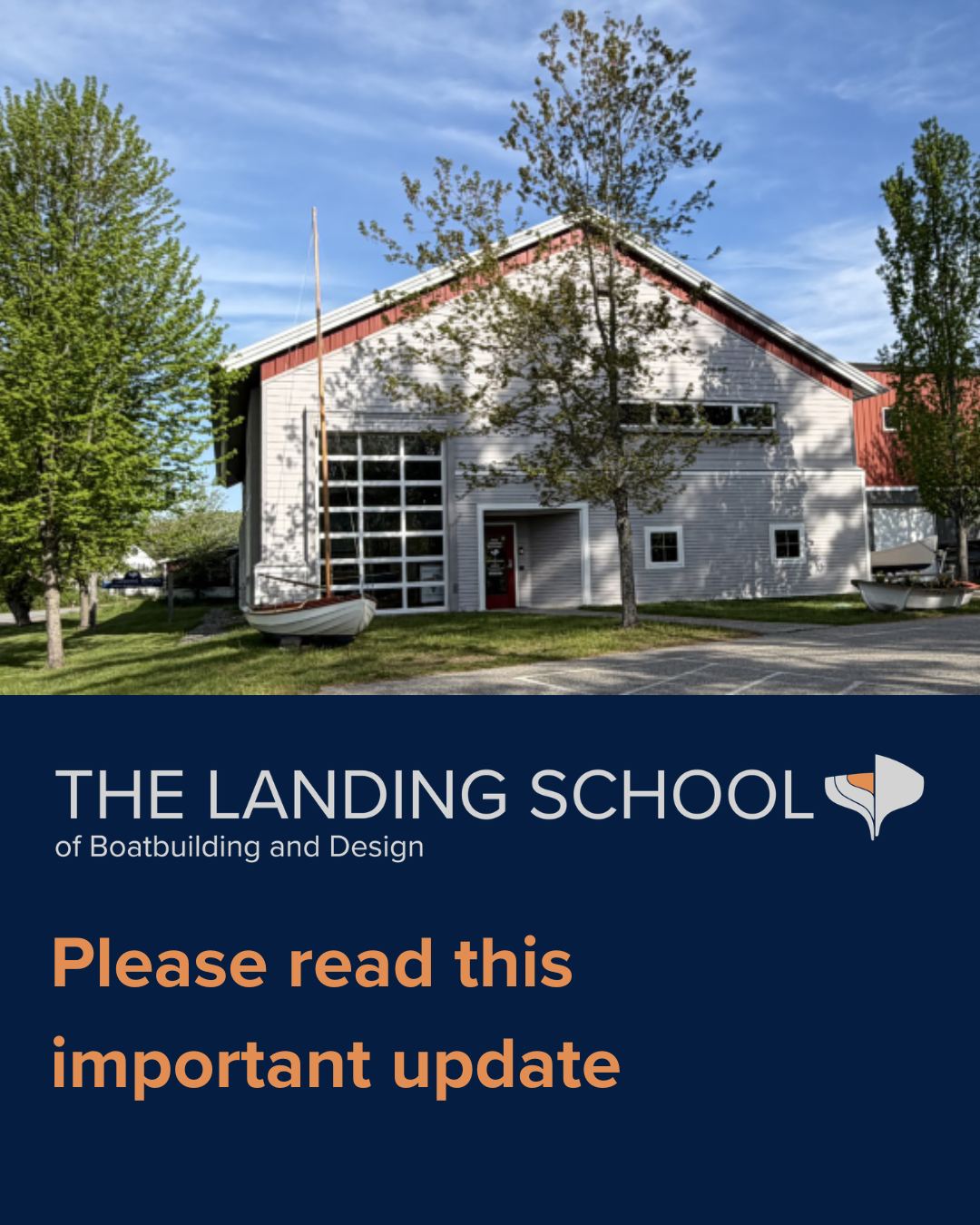
The Landing School is not a college in the traditional sense; it's a nine-month, hyper-focused trade academy for the marine industry, where students get their hands dirty building, designing, and wiring boats from day one. Located on the tidal Kennebunk River in Arundel, Maine, it attracts a singularly dedicated and diverse cohort of adult learners, career changers, and maritime obsessives who trade the lecture hall for the workshop. Its identity is built on a no-nonsense, open-admissions philosophy that prioritizes passion and commitment over test scores, funneling graduates directly into high-skill, hands-on trades.
More details
- Undergrad enrollment
- 32
- In-state tuition
- $29,060
- Out-of-state tuition
- $29,060
- Program Length
- 9-month technical diploma
- Programs Offered
- Composite Boatbuilding, Marine Systems, Wooden Boatbuilding, Yacht Design
- Early-Career Earnings
- ~$37,000
- Student-Faculty Ratio
- 7:1
- Median Earnings (10yr)
- $65,849
- Typical Graduate Debt (Wooden Boatbuilding)
- $4,000
Outcomes & value
Outcomes & value
- Median earnings (10 yr)
- $65,849
- Value (earnings ÷ net price)
- 1.9×
- Pell (lower-income) share
- 9%
Earnings = median of students working ~10 years after entry; debt = median of graduates. Value divides 10-yr earnings by one year’s net price — read it as earnings per dollar of annual cost, not a full lifetime ROI; it favors lower-cost schools. Source: U.S. Dept. of Education College Scorecard. Figures lag ~2 years and reflect all students, not your intended major.
Campus & location
Campus safety
- On-campus violent crimes (2024)
- 0
On-campus criminal offenses classed as violent (murder/non-negligent manslaughter, rape, robbery, aggravated assault) for the most recent reported year. Source: U.S. Dept. of Education Campus Safety and Security (Clery Act). Counts reflect what’s reported to the school, and urban campuses often report more partly due to non-student incidents nearby — read alongside campus size and setting, not as a standalone safety verdict.
Climate
- Pleasant days / yr
- 103
- Summer high
- 75°F
- Winter low
- 24°F
- Annual rain
- 39.1"
- Annual snow
- 42.5"
- Natural-hazard risk
- Relatively Moderate
Pleasant days counts days per year with a mean temperature of 55–75°F, a high at or below 90°F, a low at or above 45°F, and little precipitation — a transparent comfort measure, not a weighting we invented. Computed from Open-Meteo ERA5 daily history (2019–2023). Natural-hazard risk is the county’s composite rating from the FEMA National Risk Index.
Quick answers
- How much does The Landing School cost?
- At The Landing School, the average net price (after aid) is about $35,532 per year. Actual cost varies with financial aid and residency.
- How many undergraduates attend The Landing School?
- The Landing School enrolls approximately 32 undergraduate students.
- Where is The Landing School located?
- The Landing School is located in Arundel, ME.
Admissions
Forget the scramble—The Landing School operates on a radically different principle: open admissions. The school has an open admissions policy, meaning virtually all applicants are admitted. Multiple sources confirm an of 100%. There is no mention of SAT or ACT requirements; the Department of Education's College Scorecard lists the admission test score policy as 'unknown.' The process is less about filtering for academic pedigree and more about self-selection for a demanding, hands-on program. The student profile is notably eclectic, including recent high school graduates, career changers, veterans, and adult learners from all walks of life. The school encourages prospective students to visit campus through seasonal Open House events to understand the intensive nature of the programs firsthand.
Key Admissions Notes:
- Open Admission Policy: The school admits virtually all secondary school graduates or students with GED equivalency diplomas.
- No Test Requirements: Standardized test scores (SAT/ACT) are not a stated part of the admissions criteria.
- Student Body Profile: A deliberate mix of ages and backgrounds, from recent graduates to adults seeking a complete career shift.
Compare The Landing School
vs Albertus Magnus Collegevs Hartwick Collegevs Misericordia Universityvs Dominican University New York
See colleges similar to The Landing School →Sources
- Common Data Set: Home
- Decoding the Common Data Set What You Need to Know for Your ...
- [PDF] Common Data Set 2025-2026 - Hobart and William Smith Colleges
- How To Use a Common Data Set - The College Solution
- Is there a common data set for graduate schools? - Facebook
- Common Data Set - FIU
- Landing School of Boat Building & Design - Niche
- FAQs | The Landing School of Boatbuilding and Design
- The Landing School - Tuition and Acceptance Rate - Peterson's
- Landing School Admission, Acceptance Rate, SAT, ACT & GPA
- The Landing School | College Scorecard - Department of Education