Loading…
← All schools
The Salon Professional Academy
Collegeville, PAprivate forprofittspacollegeville.com
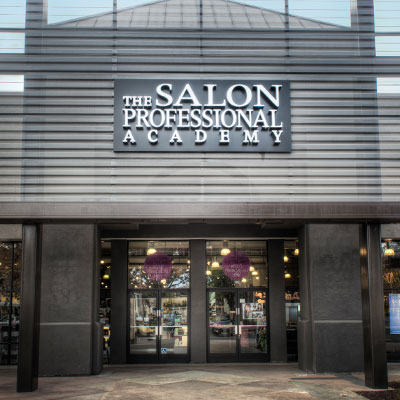
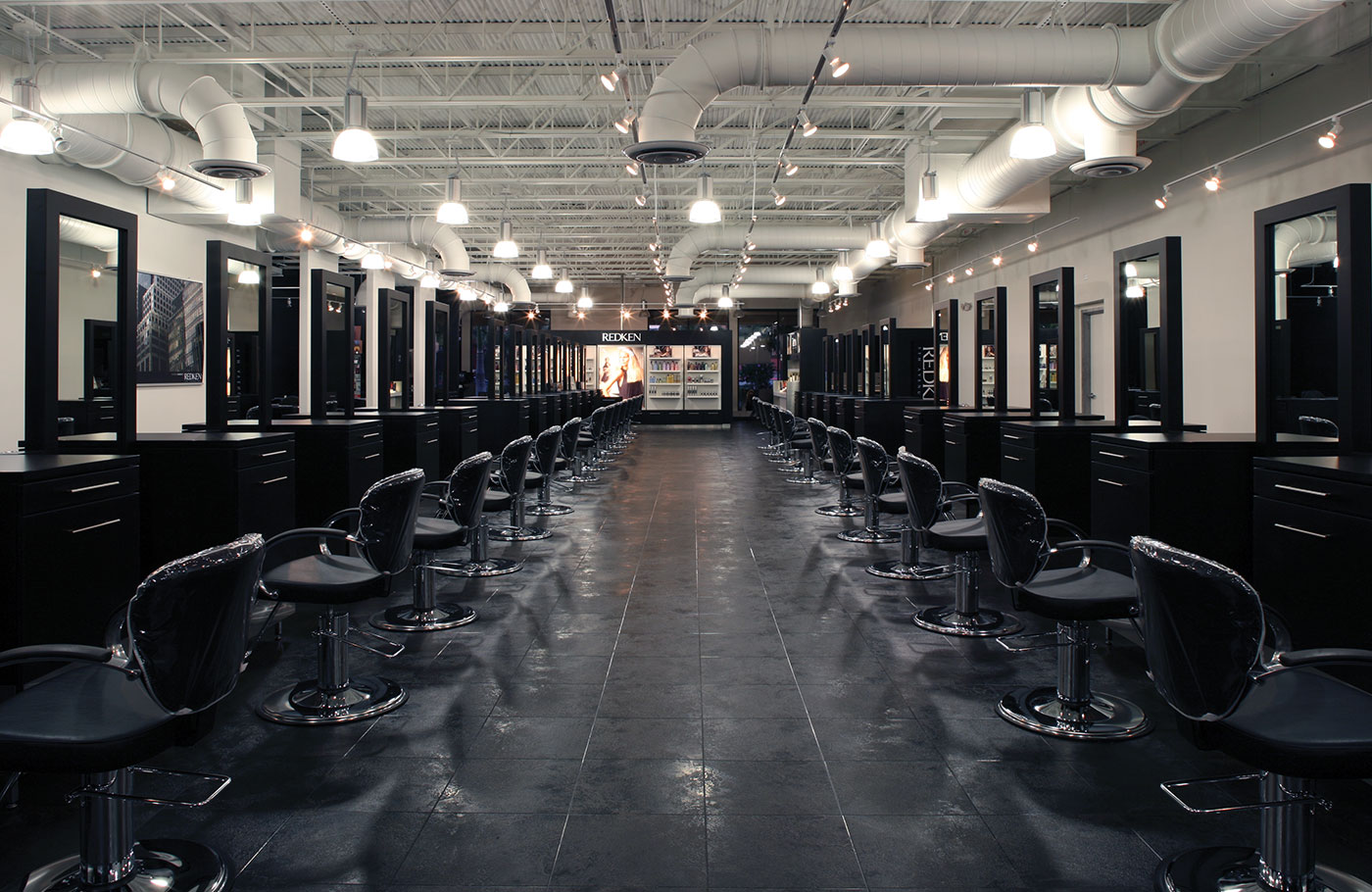
The Salon Professional Academy (TSPA) is not a traditional liberal arts college; it's a tightly focused, nationally franchised network of cosmetology schools where the curriculum is the salon floor. The vibe is less 'campus quad' and more 'high-end salon hustle,' with students training in real-world environments under practicing professionals. Its singular mission is to produce licensed, business-savvy beauty professionals, a goal reflected in its intensive, hands-on programs and direct pipeline to industry careers.
More details
- Undergrad enrollment
- 80
- Learning Model
- Hands-on, student-salon environment
- Graduation Rate
- 79%
- Programs Offered
- Cosmetology, Aesthetics
- Median Earnings (10yr)
- $35,007
Outcomes & value
Outcomes & value
- Pell (lower-income) share
- 6%
Earnings = median of students working ~10 years after entry; debt = median of graduates. Value divides 10-yr earnings by one year’s net price — read it as earnings per dollar of annual cost, not a full lifetime ROI; it favors lower-cost schools. Source: U.S. Dept. of Education College Scorecard. Figures lag ~2 years and reflect all students, not your intended major.
Campus & location
Campus safety
- On-campus violent crimes (2024)
- 0
On-campus criminal offenses classed as violent (murder/non-negligent manslaughter, rape, robbery, aggravated assault) for the most recent reported year. Source: U.S. Dept. of Education Campus Safety and Security (Clery Act). Counts reflect what’s reported to the school, and urban campuses often report more partly due to non-student incidents nearby — read alongside campus size and setting, not as a standalone safety verdict.
Climate
- Pleasant days / yr
- 91
- Summer high
- 85°F
- Winter low
- 29°F
- Annual rain
- 48.7"
- Annual snow
- 15.7"
- Natural-hazard risk
- Relatively High
Pleasant days counts days per year with a mean temperature of 55–75°F, a high at or below 90°F, a low at or above 45°F, and little precipitation — a transparent comfort measure, not a weighting we invented. Computed from Open-Meteo ERA5 daily history (2019–2023). Natural-hazard risk is the county’s composite rating from the FEMA National Risk Index.
Quick answers
- How much does The Salon Professional Academy cost?
- At The Salon Professional Academy, the average net price (after aid) is about $16,270 per year. Actual cost varies with financial aid and residency.
- How many undergraduates attend The Salon Professional Academy?
- The Salon Professional Academy enrolls approximately 80 undergraduate students.
- Where is The Salon Professional Academy located?
- The Salon Professional Academy is located in Collegeville, PA.
Admissions
Admission to The Salon Professional Academy operates on a fundamentally different model than a selective university. Many of its campuses have an open admission policy, meaning all applicants who meet the basic requirements are accepted. For example, The Salon Professional Academy Maplewood is explicitly listed as having a 100% due to its open admission policy. Sources describing other TSPA locations also reference a 100% acceptance rate or note that acceptance rate information is not applicable in the traditional sense, as the process focuses on each student's individual goals and readiness for the program rather than competitive selection. The total enrollment across the network is small and intimate; one profile reported a total enrollment of 80 students in 2024, with 71 of those being full-time. The process is test-blind—SAT and ACT scores are not reported or considered—and centers on a prospective student's commitment to entering the beauty industry.
Academics
The academic offering is laser-focused. Students choose from a narrow set of programs dedicated entirely to the beauty trades: primarily Cosmetology and Aesthetics (skin care). At many locations, Cosmetology is the only major offered. The pedagogy is unabashedly hands-on and industry-driven. Education is led by 'industry professionals who still practice their craft,' and the stated goal is to develop 'the entire student with great technical ability, business & marketing training, and the guest handling skills that are in high demand by top salons.' The training is intensive and standards-based; the academy mandates Satisfactory Academic Progress, defined as reaching each checkpoint of training with an average of 85%. This isn't a theory-heavy curriculum; it's an apprenticeship-style immersion designed to build competence and confidence for immediate work upon licensure.
Compare The Salon Professional Academy
See colleges similar to The Salon Professional Academy →Sources
- The Salon Professional Academy-Ft Myers - Data USA
- The Salon Professional Academy | College Scorecard
- The Salon Professional Academy - Sallie
- The Salon Professional Academy Statistics | Overgrad
- [PDF] SALON PROFESSIONAL ACADEMY THE - SpaceCraft
- Decoding the Common Data Set What You Need to Know for Your ...
- The Salon Professional Academy - Appleton - Niche
- The Salon Professional Academy — Acceptance Rate, Costs & More
- The Salon Professional Academy Admissions - BigFuture
- The Salon Professional Academy (460987) - Data USA