Loading…
← All schools
The Salon Professional Academy-Kenosha
Kenosha, WIprivate forprofitkenoshatspa.com/
Avg net price
$30,353
Earnings (10 yr)
$24,941
Acceptance & SAT from Common Data Set / IPEDS; net price, earnings & graduation from the U.S. Dept. of Education College Scorecard. Figures lag ~1–2 years — verify with the school.
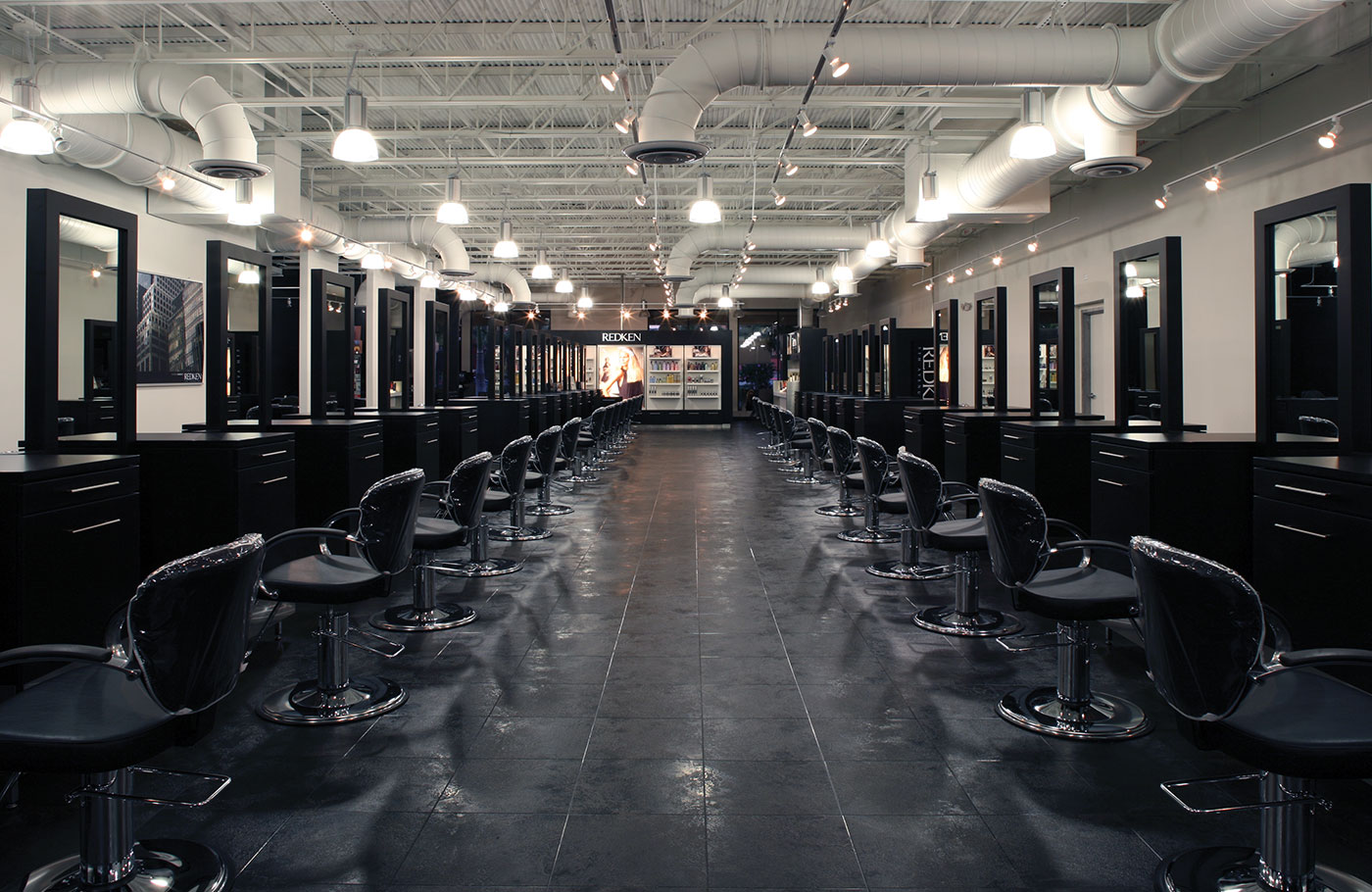
The Salon Professional Academy-Kenosha is a tightly focused, for-profit trade school that operates with the single-minded purpose of turning out licensed cosmetologists, estheticians, and nail technicians. Forget sprawling campuses and liberal arts seminars; this is a hands-on, salon-floor training ground where students learn by doing, often on paying clients, in a compact facility on Kenosha's 80th Street. Its identity is defined not by selectivity or research, but by a pragmatic, career-first approach aimed at passing state licensing exams and entering the beauty industry directly.
More details
- Undergrad enrollment
- 130
- Graduation Rate
- 70%
- Single Major Offered
- Cosmetology/Cosmetologist, General
- State Exam Pass Rate
- >95%
- Median Earnings (10yr)
- $24,941
- Students Receiving Financial Aid
- 94%
Outcomes & value
Outcomes & value
- Median earnings (10 yr)
- $24,941
- Value (earnings ÷ net price)
- 0.8×
- Median debt at graduation
- $6,333
- Reducing loan balance (3 yr)
- 44%
- Pell (lower-income) share
- 68%
- First-gen share (among federal-aid recipients)
- 58%
Earnings = median of students working ~10 years after entry; debt = median of graduates. Value divides 10-yr earnings by one year’s net price — read it as earnings per dollar of annual cost, not a full lifetime ROI; it favors lower-cost schools. Source: U.S. Dept. of Education College Scorecard. Figures lag ~2 years and reflect all students, not your intended major.
Campus & location
Campus safety
- On-campus violent crimes (2024)
- 0
On-campus criminal offenses classed as violent (murder/non-negligent manslaughter, rape, robbery, aggravated assault) for the most recent reported year. Source: U.S. Dept. of Education Campus Safety and Security (Clery Act). Counts reflect what’s reported to the school, and urban campuses often report more partly due to non-student incidents nearby — read alongside campus size and setting, not as a standalone safety verdict.
Climate
- Pleasant days / yr
- 101
- Summer high
- 78°F
- Winter low
- 22°F
- Annual rain
- 29.9"
- Annual snow
- 35.5"
- Natural-hazard risk
- Relatively Moderate
Pleasant days counts days per year with a mean temperature of 55–75°F, a high at or below 90°F, a low at or above 45°F, and little precipitation — a transparent comfort measure, not a weighting we invented. Computed from Open-Meteo ERA5 daily history (2019–2023). Natural-hazard risk is the county’s composite rating from the FEMA National Risk Index.
Quick answers
- How much does The Salon Professional Academy-Kenosha cost?
- At The Salon Professional Academy-Kenosha, the average net price (after aid) is about $30,353 per year. Actual cost varies with financial aid and residency.
- How many undergraduates attend The Salon Professional Academy-Kenosha?
- The Salon Professional Academy-Kenosha enrolls approximately 130 undergraduate students.
- Where is The Salon Professional Academy-Kenosha located?
- The Salon Professional Academy-Kenosha is located in Kenosha, WI.
Admissions
Admissions at The Salon Professional Academy-Kenosha is an open-door process centered on career readiness, not academic competition. The school reports a 100% , reflecting its mission to provide vocational training to those seeking a specific trade. The sole academic requirement for admission is a high school diploma or its equivalent, such as a GED. There is no mention of standardized test scores (SAT/ACT) being required or considered in the process, nor is there any indication of an Early Decision program or that demonstrated interest is a factor. The admissions and financial aid directors are noted as the primary points of contact for prospective students, emphasizing a personalized, guidance-oriented approach to enrollment. In 2024, total enrollment was 130 students, with 52 attending full-time.
Academics
The academic offering is singular and intensive: cosmetology. The school offers one major, Cosmetology/Cosmetologist, General, which encompasses training in hair, skin, and nails. The pedagogy is explicitly hands-on and career-focused, designed to help students "succeed through hands on salon and spa career training." The program functions as a working salon and spa open to the public, allowing students to practice haircuts, coloring (like balayage), facials, and nail services on real clients under supervision. This model blurs the line between classroom and clinic, immersing students in the environment they will enter after graduation. Typically, about 23 students complete the program and receive their degree annually. The school promotes its high state exam passing rate as a key academic outcome, claiming a success rate of over 95% for its graduates.
Compare The Salon Professional Academy-Kenosha
vs Hillsdale Collegevs United States Coast Guard Academyvs William Woods Universityvs Grove City College
See colleges similar to The Salon Professional Academy-Kenosha →Sources
- The Salon Professional Academy-Kenosha - Sallie
- [PDF] Kokomo, IN - The Salon Professional Academy Kenosha
- The Salon Professional Academy-Kenosha - College Scorecard
- The Salon Professional Academy-Kenosha - Data USA
- Common Data Set: Home
- The Salon Professional Academy-Kenosha College Degrees Data
- The Salon Professional Academy - Kenosha - Niche
- The Salon Professional Academy-Kenosha - College Decoded
- [PDF] Table of Contents - The Salon Professional Academy Kenosha
- The Salon Professional Academy Statistics | Overgrad