Loading…
← All schools
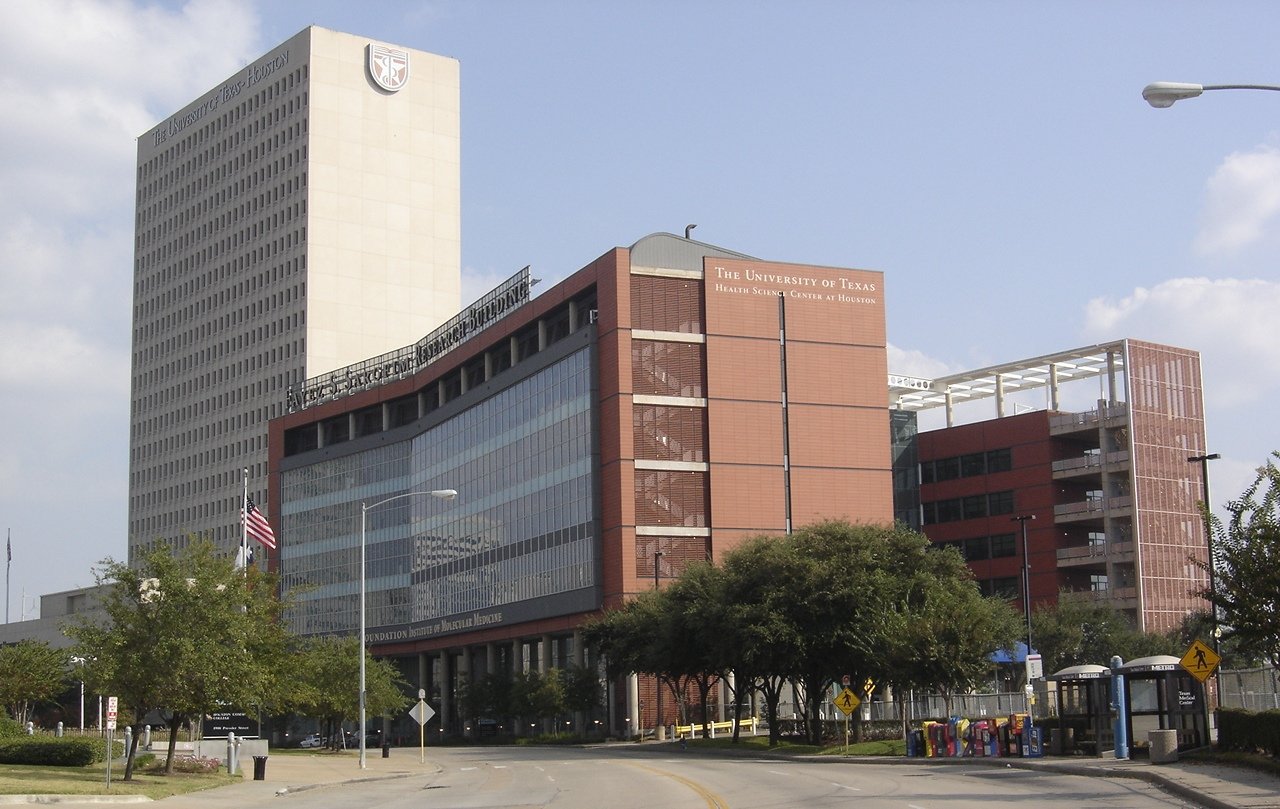
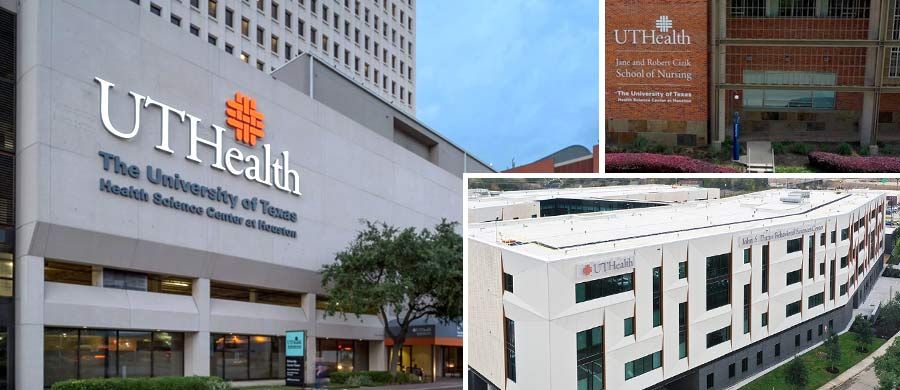
The University of Texas Health Science Center at Houston
Houston, TXpublicwww.uth.edu/
UTHealth Houston isn't a typical undergraduate college; it's a powerhouse professional and graduate health sciences university embedded in the heart of the Texas Medical Center, the largest medical complex in the world. Its identity is defined by a singular, pragmatic mission: to train the next generation of healthcare providers, researchers, and public health leaders through its six specialized schools. The culture is intensely focused, collaborative, and driven by the immediate, real-world application of knowledge in clinical and community settings.
More details
- Undergrad enrollment
- 465
- Institution Type
- Public, Graduate/Professional Health Sciences University
- 4-Year Graduation Rate
- 92%
- 6-Year Graduation Rate
- 93%
- Median Earnings (10yr)
- $88,757
- Average Grant/Scholarship Aid
- $7,082
Outcomes & value
Outcomes & value
- Median earnings (10 yr)
- $88,757
- Median debt at graduation
- $13,063
- Reducing loan balance (3 yr)
- 86%
- Pell (lower-income) share
- 51%
- First-gen share (among federal-aid recipients)
- 41%
- Endowment / student
- $207,761
Earnings = median of students working ~10 years after entry; debt = median of graduates. Value divides 10-yr earnings by one year’s net price — read it as earnings per dollar of annual cost, not a full lifetime ROI; it favors lower-cost schools. Source: U.S. Dept. of Education College Scorecard. Figures lag ~2 years and reflect all students, not your intended major.
Top-earning majors
Median earnings by field of study (highest credential), ~2 years after completion.
- Registered Nursing, Nursing Administration, Nursing Research and Clinical Nursing$70,945
- Dental Support Services and Allied Professions$57,995
Source: U.S. Dept. of Education College Scorecard (field-of-study earnings). Figures cover graduates who received federal aid and lag ~2 years; not all programs report data.
Compare on earnings: best colleges for Nursing
Campus & location
Campus safety
- On-campus violent crimes (2024)
- 3
- Per 1,000 students
- 0.61
On-campus criminal offenses classed as violent (murder/non-negligent manslaughter, rape, robbery, aggravated assault) for the most recent reported year. Source: U.S. Dept. of Education Campus Safety and Security (Clery Act). Counts reflect what’s reported to the school, and urban campuses often report more partly due to non-student incidents nearby — read alongside campus size and setting, not as a standalone safety verdict.
Climate
- Pleasant days / yr
- 98
- Summer high
- 92°F
- Winter low
- 48°F
- Annual rain
- 73.1"
- Natural-hazard risk
- Very High
Pleasant days counts days per year with a mean temperature of 55–75°F, a high at or below 90°F, a low at or above 45°F, and little precipitation — a transparent comfort measure, not a weighting we invented. Computed from Open-Meteo ERA5 daily history (2019–2023). Natural-hazard risk is the county’s composite rating from the FEMA National Risk Index.
Deep dive — research, future-scholar output & economic mobility
Research output
- Institutional h-index
- 764
- Scholarly works
- 143,007
Institutional research volume and impact from OpenAlex. The h-index reflects large research universities and will be low for teaching-focused liberal-arts colleges — not a measure of undergraduate quality.
Quick answers
- How many undergraduates attend The University of Texas Health Science Center at Houston?
- The University of Texas Health Science Center at Houston enrolls approximately 465 undergraduate students.
- Where is The University of Texas Health Science Center at Houston located?
- The University of Texas Health Science Center at Houston is located in Houston, TX.
Admissions
Admission to UTHealth Houston is a targeted, program-specific endeavor rather than a broad undergraduate application. The university does not have an open admissions policy. For its professional and graduate programs, selectivity is the norm. Recent data shows an overall of approximately 28%, derived from 11,425 applicants with 3,217 acceptances and 465 enrolled students. This rate is significantly more selective than the national average, which is cited as around 68%. The process is competitive, with a female acceptance rate reported at 29%. The admissions landscape is characterized by a focus on prerequisite coursework, relevant experience, and program-specific criteria rather than a centralized, holistic undergraduate review. There is no available data on Early Decision acceptance rates or policies for this institution, and the provided links do not contain specific UTHealth Houston admissions figures, suggesting applicants must look directly to individual school requirements.
Compare The University of Texas Health Science Center at Houston
vs Emory University-Oxford Collegevs Citadel Military College of South Carolinavs United States Air Force Academyvs Oregon State University-Cascades Campus
See colleges similar to The University of Texas Health Science Center at Houston →Sources
- Common Data Set
- Common Data Set | Institutional Success and Decision Support - oisds
- Welcome to the 2025-2026 Common Data Set collection!
- Common Data Set: Home
- The University of Texas Health Science Center at Houston
- University of Texas Health Science Center--Houston
- The University of Texas Health Science Center at Houston
- University of Texas Health Science Center at Houston Admission ...
- The University of Texas Health Science Center at Houston
- University of Texas - Health Science Center at Houston