Loading…
← All schools
The University of Texas Medical Branch at Galveston
Galveston, TXpublicutmb.edu
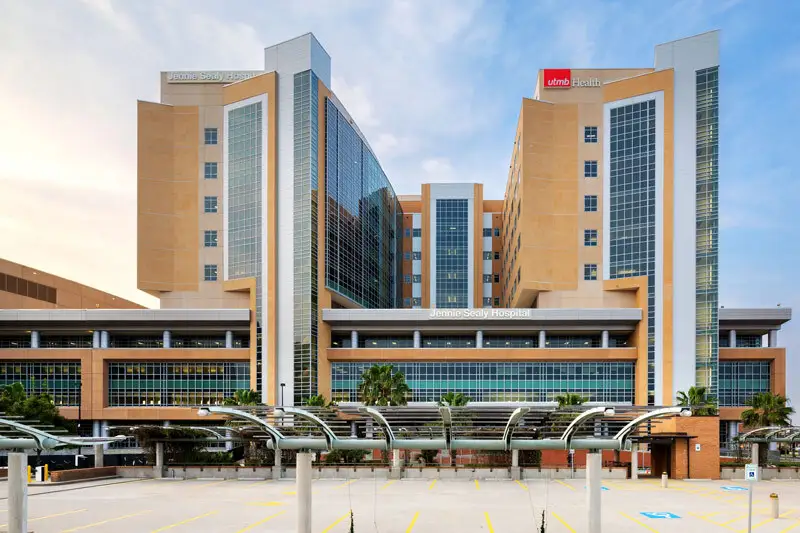
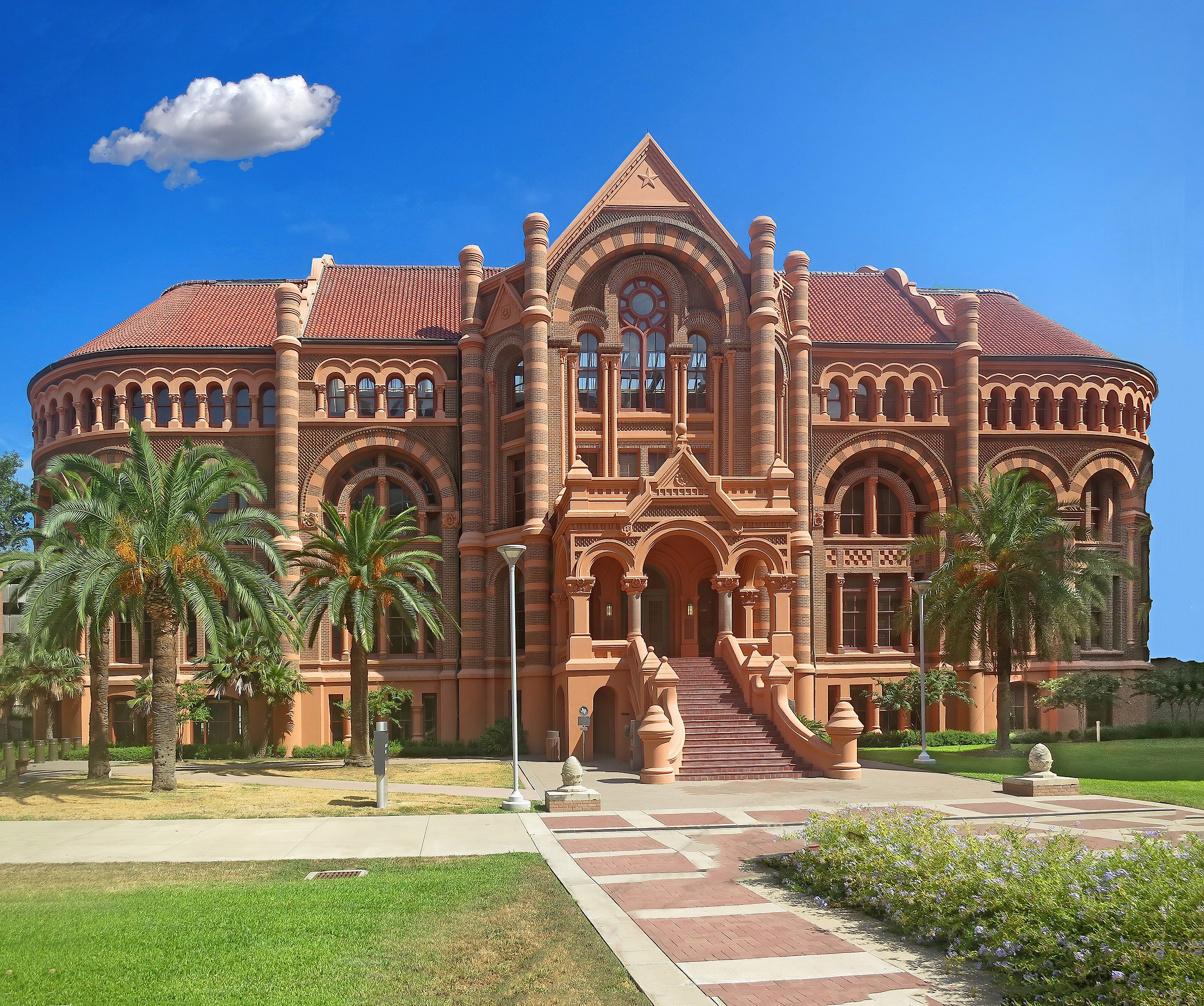
The University of Texas Medical Branch at Galveston isn't a typical undergraduate college; it's a specialized, oceanfront fortress of health education, the first academic health center in Texas. Its identity is forged in the salt air of Galveston Island, where students across five professional schools—Medicine, Nursing, Health Professions, Public and Population Health, and Graduate Biomedical Sciences—learn by doing, immersed in pioneering research and clinical practice from day one. This is a place for focused, mission-driven students who arrive knowing they want to heal, research, or lead in the health sciences, trading a broad liberal arts experience for direct, high-stakes professional training.
More details
- Undergrad enrollment
- 545
- Schools
- Medicine, Nursing, Health Professions, Public & Population Health, Graduate Biomedical Sciences
- Graduation Rate
- 91%
- Median Earnings (10yr)
- $92,961
- Student-to-Faculty Ratio
- 10:1
Outcomes & value
Outcomes & value
- Median earnings (10 yr)
- $92,961
- Median debt at graduation
- $13,396
- Reducing loan balance (3 yr)
- 85%
- Pell (lower-income) share
- 34%
- First-gen share (among federal-aid recipients)
- 38%
- Endowment / student
- $259,877
Earnings = median of students working ~10 years after entry; debt = median of graduates. Value divides 10-yr earnings by one year’s net price — read it as earnings per dollar of annual cost, not a full lifetime ROI; it favors lower-cost schools. Source: U.S. Dept. of Education College Scorecard. Figures lag ~2 years and reflect all students, not your intended major.
Top-earning majors
Median earnings by field of study (highest credential), ~2 years after completion.
- Registered Nursing, Nursing Administration, Nursing Research and Clinical Nursing$69,207
Source: U.S. Dept. of Education College Scorecard (field-of-study earnings). Figures cover graduates who received federal aid and lag ~2 years; not all programs report data.
Compare on earnings: best colleges for Nursing
Campus & location
Campus safety
- On-campus violent crimes (2024)
- 6
- Per 1,000 students
- 1.85
On-campus criminal offenses classed as violent (murder/non-negligent manslaughter, rape, robbery, aggravated assault) for the most recent reported year. Source: U.S. Dept. of Education Campus Safety and Security (Clery Act). Counts reflect what’s reported to the school, and urban campuses often report more partly due to non-student incidents nearby — read alongside campus size and setting, not as a standalone safety verdict.
Climate
- Pleasant days / yr
- 122
- Summer high
- 87°F
- Winter low
- 53°F
- Annual rain
- 48.4"
- Natural-hazard risk
- Relatively High
Pleasant days counts days per year with a mean temperature of 55–75°F, a high at or below 90°F, a low at or above 45°F, and little precipitation — a transparent comfort measure, not a weighting we invented. Computed from Open-Meteo ERA5 daily history (2019–2023). Natural-hazard risk is the county’s composite rating from the FEMA National Risk Index.
Deep dive — research, future-scholar output & economic mobility
Research output
- Institutional h-index
- 618
- Scholarly works
- 60,446
Institutional research volume and impact from OpenAlex. The h-index reflects large research universities and will be low for teaching-focused liberal-arts colleges — not a measure of undergraduate quality.
Quick answers
- How many undergraduates attend The University of Texas Medical Branch at Galveston?
- The University of Texas Medical Branch at Galveston enrolls approximately 545 undergraduate students.
- Where is The University of Texas Medical Branch at Galveston located?
- The University of Texas Medical Branch at Galveston is located in Galveston, TX.
Admissions
Admissions at UTMB Galveston is a story of two distinct tracks: one for its undergraduate health professions programs and another, far more competitive one, for its medical school. For undergraduate programs, reported by external sources vary widely, from a high of 94.2% to lows around 10.6% or 20%, indicating significant fluctuations year-to-year or differences in how specific programs are counted. The most recent referenced suggests an acceptance rate of 58% for undergraduate programs. Notably, the admissions process for its flagship School of Medicine is intensely selective, with one source citing an 11% acceptance rate, a median undergraduate GPA of 3.89, and a median MCAT score of 507 from a pool of 4,838 applicants. All medical school applicants must apply through the Texas Medical and Dental Schools Application Service (TMDSAS) and are required to complete the Casper assessment via the Altus Suite. For some Texas public university admissions, 'Level of applicant's interest' is explicitly 'Not Considered' per the Common Data Set, though it's unclear if this policy applies directly to UTMB's specialized process.
Compare The University of Texas Medical Branch at Galveston
vs Citadel Military College of South Carolinavs United States Air Force Academyvs Emory University-Oxford Collegevs United States Military Academy
See colleges similar to The University of Texas Medical Branch at Galveston →Sources
- Common Data Set 2025-2026
- Common Data Set - Data, Analytics & Institutional Research
- Common Data Set: Home
- Common Data Set | Institutional Success and Decision Support
- Common Data Set (CDS)
- Interactive Common Data Set - Institutional Reporting
- University of Texas Medical Branch Admission Requirements
- Medical Branch at Galveston Admissions & Acceptance
- University of Texas Medical Branch: Statistics
- University of Texas Medical Branch--Galveston
- University of Texas Medical Branch Galveston Acceptance ...