Loading…
← All schools
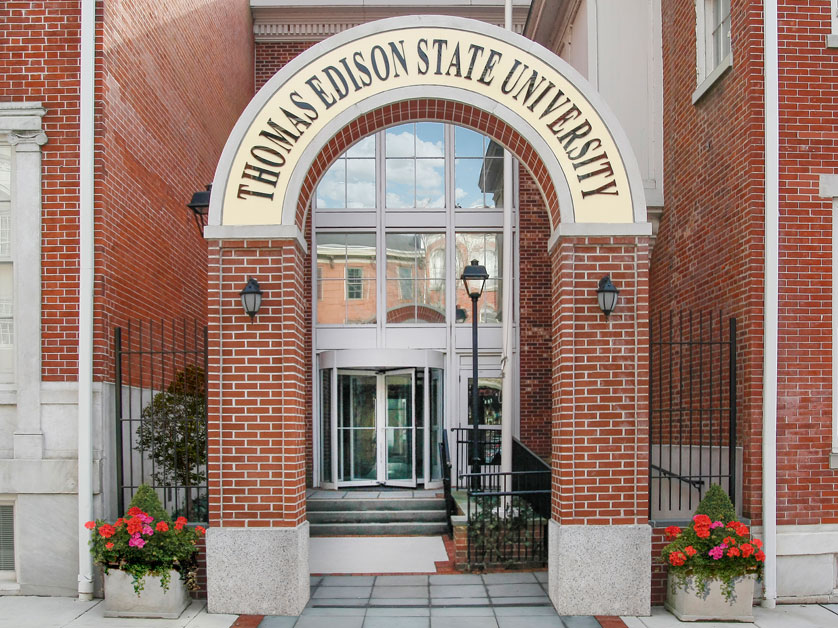
Thomas Edison State University
Trenton, NJpublicwww.tesu.edu/
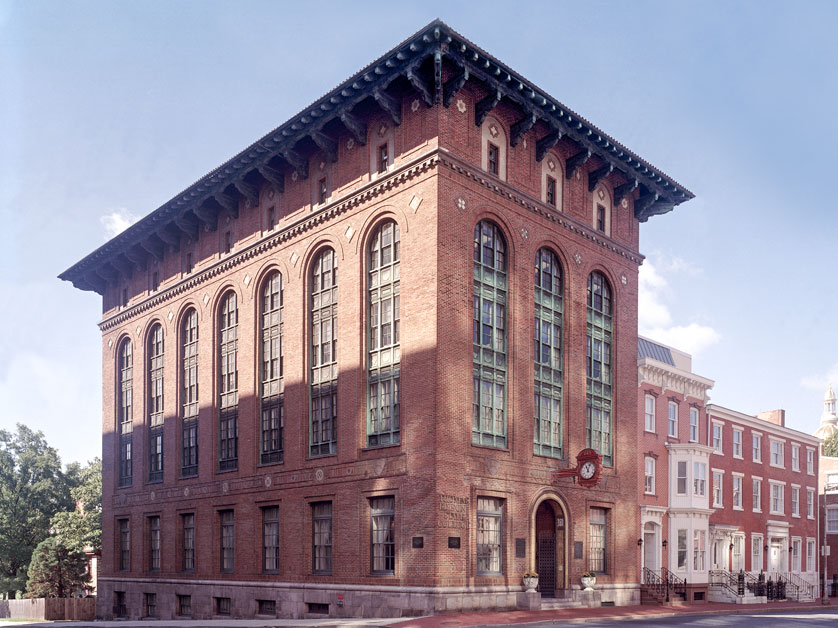
Thomas Edison State University is not a typical college. It’s a public, adult-focused institution in Trenton, New Jersey, built from the ground up for self-directed learners who are finishing what they started. With an open admissions policy and a 100% online, career-focused curriculum, TESU operates like an academic credit bank, aggressively accepting transfer credits and prior learning assessments to help working adults cross the degree finish line efficiently. Its singular mission—serving the adult student—means you won't find dorms, football games, or a traditional campus vibe, but you will find a pragmatic, no-frills path to a credential that delivers strong post-graduation earnings.
More details
- Undergrad enrollment
- 6,707
- In-state tuition
- $6,838
- Out-of-state tuition
- $8,856
- Credit Policy
- Generous transfer & prior learning
- Graduation Rate
- 43%
- Instruction Mode
- 100% Online
- Programs Offered
- 100+ areas of study
- Student Body Focus
- Self-directed adults
- Median Earnings (10yr)
- $69,331
Outcomes & value
Outcomes & value
- Median earnings (10 yr)
- $69,331
- Median debt at graduation
- $12,500
- Reducing loan balance (3 yr)
- 53%
- Pell (lower-income) share
- 24%
- First-gen share (among federal-aid recipients)
- 44%
- Endowment / student
- $1,709
Earnings = median of students working ~10 years after entry; debt = median of graduates. Value divides 10-yr earnings by one year’s net price — read it as earnings per dollar of annual cost, not a full lifetime ROI; it favors lower-cost schools. Source: U.S. Dept. of Education College Scorecard. Figures lag ~2 years and reflect all students, not your intended major.
Top-earning majors
Median earnings by field of study (highest credential), ~2 years after completion.
- Registered Nursing, Nursing Administration, Nursing Research and Clinical Nursing$82,204
- Multi/Interdisciplinary Studies, Other$72,782
- Finance and Financial Management Services$64,005
- Homeland Security, Law Enforcement, Firefighting and Related Protective Services, Other$57,318
- Business Administration, Management and Operations$53,927
Campus & location
Campus safety
- On-campus violent crimes (2024)
- 0
- Per 1,000 students
- 0.00
On-campus criminal offenses classed as violent (murder/non-negligent manslaughter, rape, robbery, aggravated assault) for the most recent reported year. Source: U.S. Dept. of Education Campus Safety and Security (Clery Act). Counts reflect what’s reported to the school, and urban campuses often report more partly due to non-student incidents nearby — read alongside campus size and setting, not as a standalone safety verdict.
Climate
- Pleasant days / yr
- 94
- Summer high
- 85°F
- Winter low
- 30°F
- Annual rain
- 38.8"
- Annual snow
- 14.2"
- Natural-hazard risk
- Relatively High
Pleasant days counts days per year with a mean temperature of 55–75°F, a high at or below 90°F, a low at or above 45°F, and little precipitation — a transparent comfort measure, not a weighting we invented. Computed from Open-Meteo ERA5 daily history (2019–2023). Natural-hazard risk is the county’s composite rating from the FEMA National Risk Index.
Deep dive — research, future-scholar output & economic mobility
Research output
- Institutional h-index
- 21
- Scholarly works
- 249
Institutional research volume and impact from OpenAlex. The h-index reflects large research universities and will be low for teaching-focused liberal-arts colleges — not a measure of undergraduate quality.
Quick answers
- How many undergraduates attend Thomas Edison State University?
- Thomas Edison State University enrolls approximately 6,707 undergraduate students.
- Where is Thomas Edison State University located?
- Thomas Edison State University is located in Trenton, NJ.
Admissions
Forget the Common App essay and the scramble for recommendation letters. Thomas Edison State University employs an open admissions policy, with sources consistently reporting a 100% . The university explicitly states it "provides distinctive undergraduate and graduate education for self-directed adults," and its admissions process reflects that mission. There are no reported SAT or ACT requirements. The process is less about proving academic pedigree and more about documenting readiness to engage in college-level study as an adult. Admissions and Enrollment Counselors are available to guide applicants, but the barrier to entry is intentionally low. This is not a selective institution in the traditional sense; it's an accessible one designed for those with some college credit or life experience seeking to complete a degree.
- Open Admissions: Multiple sources confirm a 100% acceptance rate, characteristic of an open admissions policy.
- No Standardized Tests: SAT/ACT scores are not required for admission.
- Adult-Focused: The process is built for self-directed adults, prioritizing accessibility over selectivity.
Compare Thomas Edison State University
vs Ramapo College of New Jerseyvs Rutgers University-Newarkvs Farmingdale State Collegevs SUNY College at Geneseo
See colleges similar to Thomas Edison State University →Sources
- [PDF] thomas edison state university fy2025 institutional profile report
- Thomas Edison State University - IPEDS - Department of Education
- Admissions | Thomas Edison State University
- Common Data Set: Home
- Apply to Thomas Edison State University - Common App
- Common Data Set | The Office of Institutional Research
- Thomas Edison State University Admissions & Acceptance - Niche
- Thomas Edison State University Admissions - BigFuture
- Thomas Edison State University (TESU) - The Princeton Review
- Thomas Edison State College Admission Requirements - PrepScholar