Loading…
← All schools
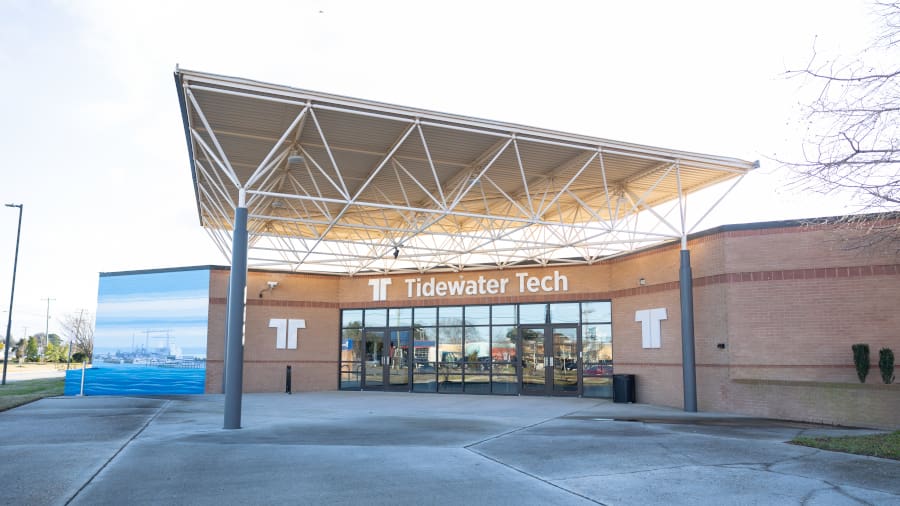
Tidewater Tech-East Little Creek
Norfolk, VAprivate forprofittidewatertechtrades.edu
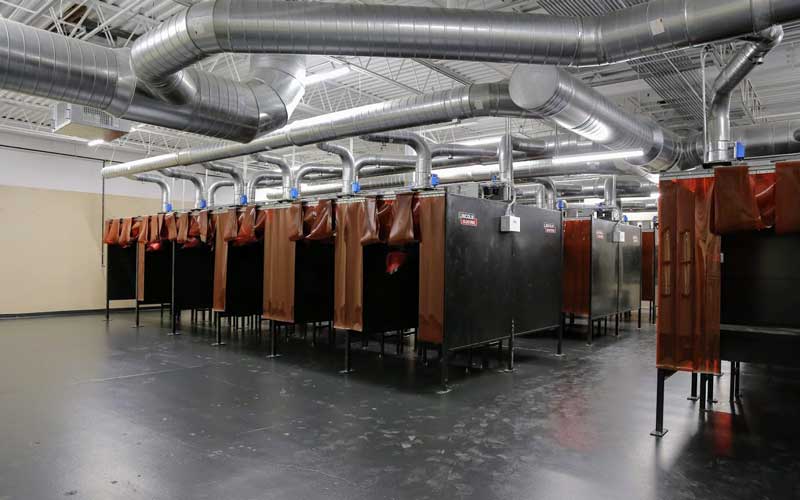
Tidewater Tech-East Little Creek is a no-frills, career-focused technical trade school in Norfolk, Virginia, built for speed and specificity. It operates on a straightforward premise: accept students, train them with hands-on skills in high-demand trades like welding and HVAC, and move them directly into the workforce. This is not a place for a liberal arts exploration; it's a pragmatic launchpad for a skilled trade career, with an open admissions policy and a culture centered on practical, shop-floor competency.
More details
- Undergrad enrollment
- 133
- In-state tuition
- $16,337
- Out-of-state tuition
- $16,337
- Top Majors
- Precision Metal Working, Welding, HVAC, Automotive Tech, Building & Construction
- Average Aid Package
- $4,570
- Student-Faculty Ratio
- 10:1
- Median Earnings (10yr)
- $31,657
- Scholarship Match Program
- Yes, dollar-for-dollar match
Outcomes & value
Outcomes & value
- Median earnings (10 yr)
- $31,657
- Median debt at graduation
- $9,500
- Reducing loan balance (3 yr)
- 18%
- First-gen share (among federal-aid recipients)
- 51%
Earnings = median of students working ~10 years after entry; debt = median of graduates. Value divides 10-yr earnings by one year’s net price — read it as earnings per dollar of annual cost, not a full lifetime ROI; it favors lower-cost schools. Source: U.S. Dept. of Education College Scorecard. Figures lag ~2 years and reflect all students, not your intended major.
Campus & location
Climate
- Pleasant days / yr
- 121
- Summer high
- 85°F
- Winter low
- 39°F
- Annual rain
- 34.6"
- Annual snow
- 3.4"
- Natural-hazard risk
- Relatively Moderate
Pleasant days counts days per year with a mean temperature of 55–75°F, a high at or below 90°F, a low at or above 45°F, and little precipitation — a transparent comfort measure, not a weighting we invented. Computed from Open-Meteo ERA5 daily history (2019–2023). Natural-hazard risk is the county’s composite rating from the FEMA National Risk Index.
Quick answers
- How many undergraduates attend Tidewater Tech-East Little Creek?
- Tidewater Tech-East Little Creek enrolls approximately 133 undergraduate students.
- Where is Tidewater Tech-East Little Creek located?
- Tidewater Tech-East Little Creek is located in Norfolk, VA.
Admissions
Admissions at Tidewater Tech-East Little Creek is defined by accessibility, not selectivity. The school reports a 100% , reflecting an open-door policy for applicants seeking career training. The institution does not require SAT or ACT scores for admission, and the policy on these standardized tests is listed as 'unknown' or 'Data Not Available' in federal databases. The process appears geared toward enrollment rather than competitive screening, with the school hosting community 'Decision Day' events to provide support during the application process. There is no available specific to Tidewater Tech in the provided sources to detail factors like the rigor of secondary school record or level of applicant's interest, which are typical at more selective institutions. The student body includes both full-time and part-time enrollees.
Compare Tidewater Tech-East Little Creek
See colleges similar to Tidewater Tech-East Little Creek →Sources
- Tidewater Tech-East Little Creek - IPEDS
- Tidewater Tech: Transform Your Future With Our Technical ...
- Tidewater Tech-East Little Creek
- Common Data Set - Analytics & Institutional Effectiveness
- Common Data Set 2025-2026
- Common Data Set: Home
- Tidewater Tech-East Little Creek Admission Requirements — SAT ...
- Tidewater Tech-East Little Creek | College Scorecard
- Tidewater Tech - Trades
- Tidewater Tech-East Little Creek - College Search
- Technical Trade Schools In Norfolk, VA | Tidewater Tech