Admit rate has ranged 49%–71% over the last 5 years — notably volatile. Source: IPEDS via Urban Institute.
Acceptance & SAT from Common Data Set / IPEDS; net price, earnings & graduation from the U.S. Dept. of Education College Scorecard. Figures lag ~1–2 years — verify with the school.
Tougaloo College is a small, historically Black liberal arts institution in Mississippi with a legacy that punches far above its weight. Born from missionary roots and forged in the crucible of the Civil Rights Movement, it has evolved into a tight-knit academic community known for producing a remarkable number of future PhDs in the sciences. The campus vibe is familial and vibrant, but the path through its rigorous programs is demanding, reflected in a graduation rate that underscores the challenges many of its students face.
Admission requirements
Test-optional — scores considered if submitted
Required
High school transcript
Grade point average
TOEFL (non-native English)
Considered (not required)
Test scores (SAT/ACT)
College-prep program
Source: IPEDS Admissions survey (2022) via Urban Institute. Covers formal factors only — it does not reflect essays, extracurriculars, or other holistic criteria.
More details
Undergrad enrollment
639
In-state tuition
$12,407
Out-of-state tuition
$12,407
Graduation Rate
33%
On-Campus Housing
64% of students
Most Popular Major
Biology/Biological Sciences, General
Student-Faculty Ratio
9:1
Median Earnings (10yr)
$34,724
Outcomes & value
Outcomes & value
Median earnings (10 yr)
$34,724
Value (earnings ÷ net price)
2.0×
Median debt at graduation
$30,046
Graduation rate
33%
First-year retention
83%
Reducing loan balance (3 yr)
36%
Pell (lower-income) share
63%
First-gen share (among federal-aid recipients)
30%
Financial health
2.5 / 3.0Meets the federal financial-responsibility standard
U.S. Dept. of Education Financial Responsibility Composite Score (FY2022-23). Scale −1.0 to 3.0; ≥1.5 meets the standard. Reported for private nonprofit & for-profit institutions only — public universities are state-backed and not scored, so this is a stability signal, not a ranking.
Top-earning majors
Median earnings by field of study (highest credential), ~2 years after completion.
Sociology$22,485
Sports, Kinesiology, and Physical Education/Fitness$18,771
Source: U.S. Dept. of Education College Scorecard (field-of-study earnings). Figures cover graduates who received federal aid and lag ~2 years; not all programs report data.
Campus & location
Campus safety
On-campus violent crimes (2024)
0
Per 1,000 students
0.00
On-campus criminal offenses classed as violent (murder/non-negligent manslaughter, rape, robbery, aggravated assault) for the most recent reported year. Source: U.S. Dept. of Education Campus Safety and Security (Clery Act). Counts reflect what’s reported to the school, and urban campuses often report more partly due to non-student incidents nearby — read alongside campus size and setting, not as a standalone safety verdict.
Climate
Pleasant days / yr
97
Summer high
90°F
Winter low
43°F
Annual rain
62"
Annual snow
1.4"
Natural-hazard risk
Relatively Moderate
Pleasant days counts days per year with a mean temperature of 55–75°F, a high at or below 90°F, a low at or above 45°F, and little precipitation — a transparent comfort measure, not a weighting we invented. Computed from Open-Meteo ERA5 daily history (2019–2023). Natural-hazard risk is the county’s composite rating from the FEMA National Risk Index.
Deep dive — research, future-scholar output & economic mobility▾
Research output
Institutional h-index
82
Scholarly works
449
Institutional research volume and impact from OpenAlex. The h-index reflects large research universities and will be low for teaching-focused liberal-arts colleges — not a measure of undergraduate quality.
Quick answers
What is the acceptance rate at Tougaloo College?
Tougaloo College's acceptance rate is approximately 60% (Tougaloo, MS), based on the most recent figures we compiled from public and primary sources.
How much does Tougaloo College cost?
At Tougaloo College, the average net price (after aid) is about $17,043 per year. Actual cost varies with financial aid and residency.
How many undergraduates attend Tougaloo College?
Tougaloo College enrolls approximately 639 undergraduate students.
Where is Tougaloo College located?
Tougaloo College is located in Tougaloo, MS.
Admissions
Tougaloo's admissions process is moderately selective, with an of 60%. The college received 2,334 applications for a recent cycle, accepting 1,397 and enrolling 1,286 of those. Applicants are required to submit scores from either the ACT or SAT examination. For admitted students who submitted test scores, half have an ACT composite score between 16 and 27. The average high school GPA for incoming Tougaloo students is reported as 2.8. The college does not appear to offer an early action or early decision plan, and sources on demonstrated interest policies are generic, not Tougaloo-specific; the provided sources do not specify whether Tougaloo considers demonstrated interest in its admissions decisions.
Earnings = median of students working ~10 years after entry; debt = median of graduates. Value divides 10-yr earnings by one year’s net price — read it as earnings per dollar of annual cost, not a full lifetime ROI; it favors lower-cost schools. Source: U.S. Dept. of Education College Scorecard. Figures lag ~2 years and reflect all students, not your intended major.
Academics
Academics at Tougaloo are structured around a liberal arts core with a notable strength in the sciences. The college offers 27 majors, with the option to add special emphases within four of them. The most popular major is Biology/Biological Sciences, General, with about 17 degrees awarded annually in that field. Other popular majors include Economics and other sciences. The student-faculty ratio is exceptionally low at 9:1, facilitating close mentorship. This environment pays dividends: Tougaloo ranks among the top 25 U.S. institutions whose graduates go on to earn PhDs in science and engineering disciplines, and among the top 15 historically Black colleges and universities for the same metric. The college's stated goal is to prepare students to become leaders in education, the humanities, natural sciences, and the social sciences.
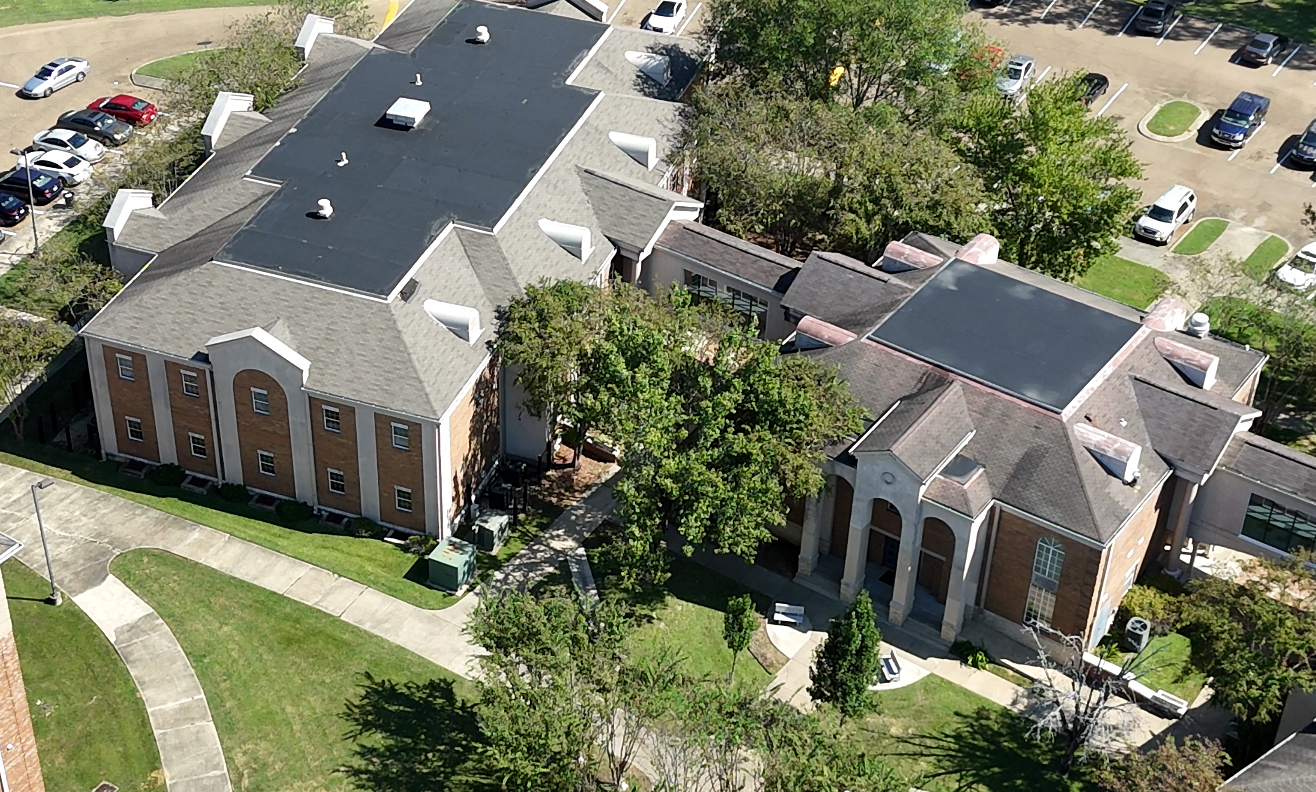
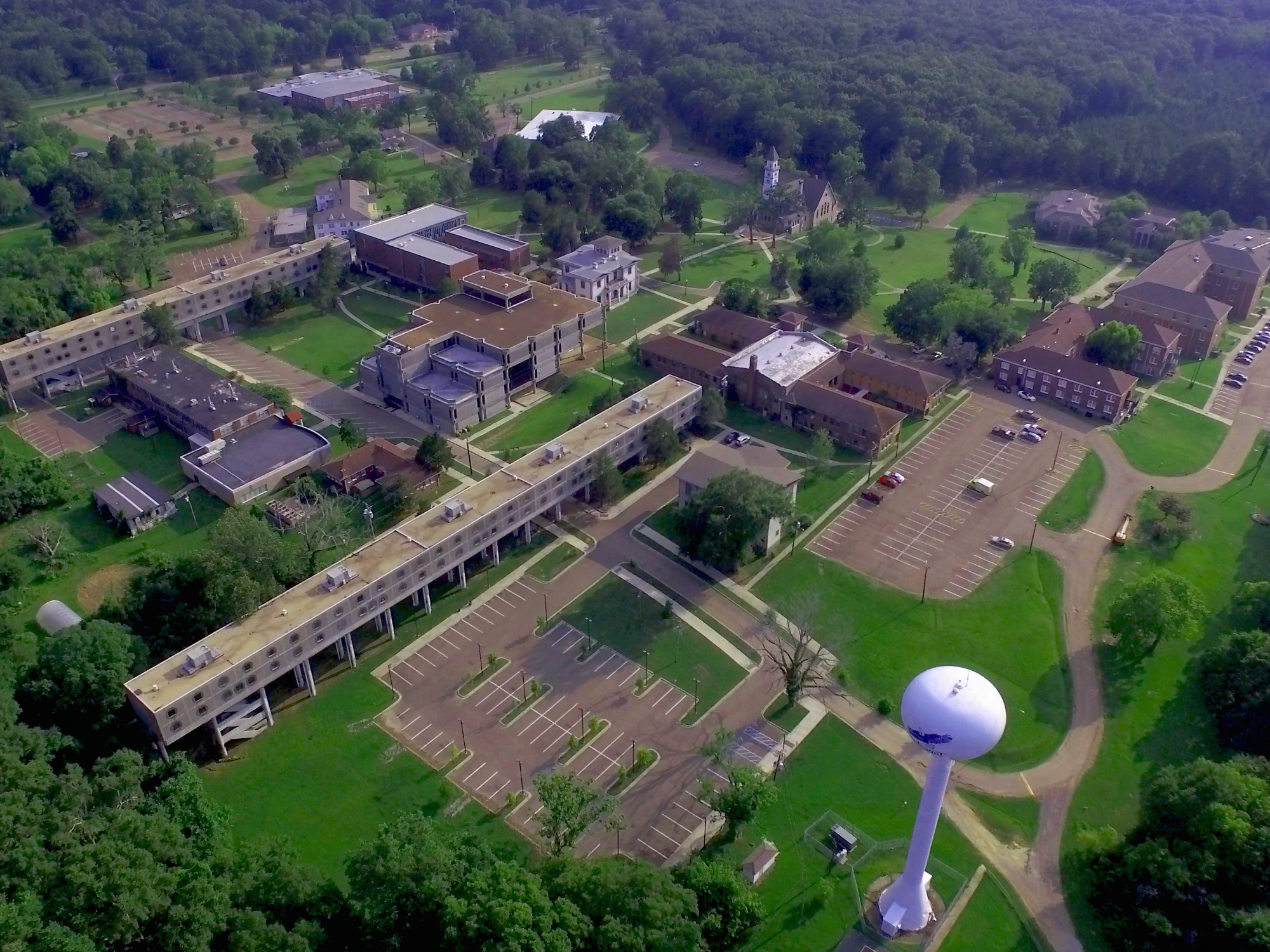
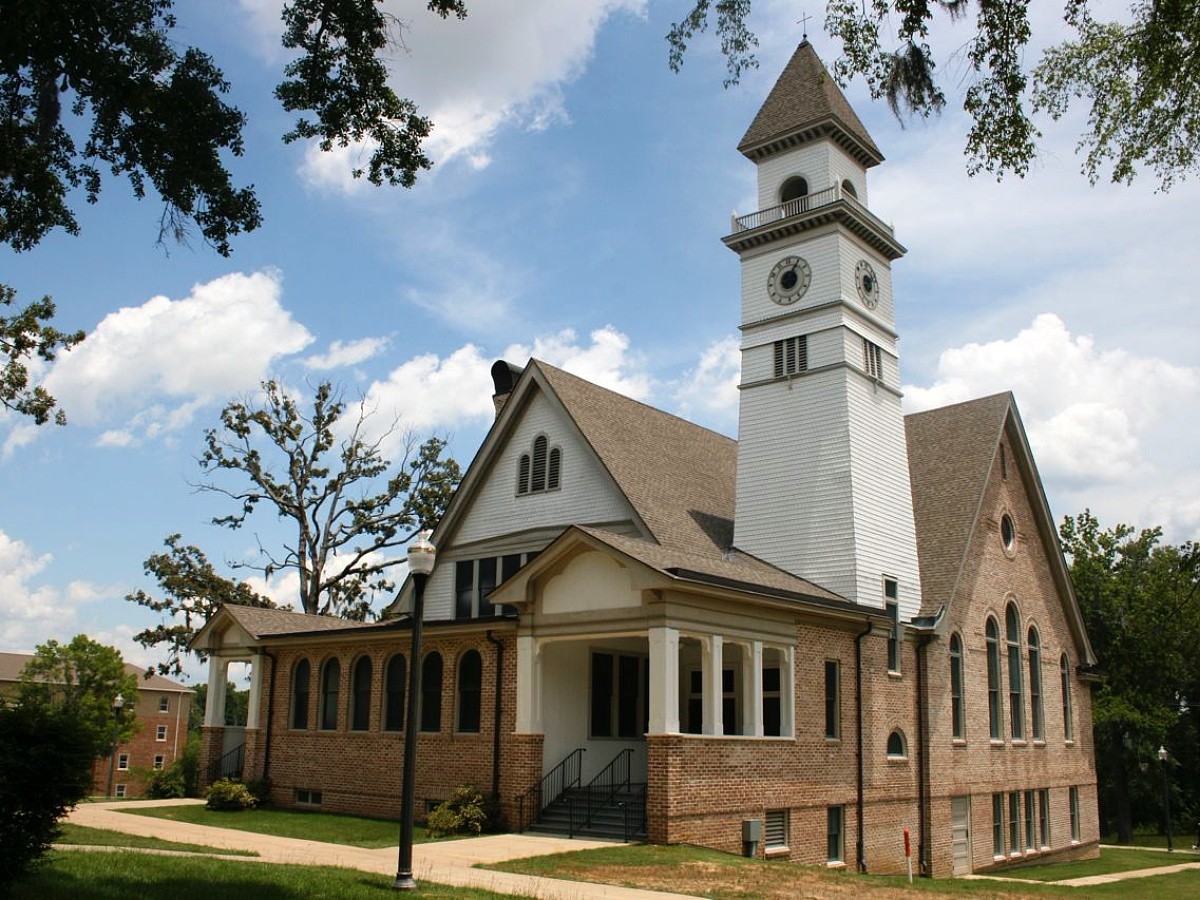
Life on Tougaloo's historic campus is described as a vibrant, close-knit community where students form lifelong friendships and develop leadership skills. The campus itself is a point of pride, described as a place "where history meets the future." A majority of students (64%) live in college-owned, -operated, or -affiliated housing, while 36% live off campus. The college fosters a strong sense of belonging and family, with the campus transforming into a "living canvas of art, history, and radical joy" during special events. Tougaloo fields athletic teams (competing as the Bulldogs) and has a rich history of transforming from a small missionary school into a flourishing community of scholarship, culture, and social life.
Outcomes for Tougaloo graduates present a mixed picture that reflects both the college's high-impact training and the significant hurdles many students navigate. The graduation rate is reported at 32-35%, which sources note is notably low compared to national averages and places the college in the bottom tier for this metric. However, for those who persist, the payoff can be substantial. On average, students who graduate with a bachelor's degree from Tougaloo College make about $34,724 a year during the early years of their career. The college's most celebrated outcome is its track record of producing future doctoral recipients; it is a national leader among institutions whose graduates go on to earn PhDs in science and engineering.
Tougaloo encourages all students to apply for financial aid and provides tools like a Calculator to estimate costs. The college participates in federal Direct Lending programs, meaning students who request loans will need to complete a Master Promissory Note. Sources indicate that students should compare net cost rather than sticker price, as aid packages can significantly reduce the burden. One external source lists an average aid package of $8,391 and a net price after scholarships and grants of $12,158, but the canonical figure for average net price after aid is $17,043. The college directs students to explore scholarship opportunities through UNCF and other external sources. The provided sources do not indicate that Tougaloo College has a "no-loan" policy or that it meets 100% of demonstrated financial need without loans.
Tougaloo College stands out not for luxury amenities or cut-throat prestige, but for its profound historical and its demonstrable, outsized impact on the American academic landscape. This is the college that served as a safe haven and strategic planning center for Civil Rights leaders like Medgar Evers. That spirit of transformative education continues today in its intensely personal, 9:1 student-faculty ratio environment. While its graduation rate signals the very real socioeconomic and academic challenges its student body often confronts, its success metric is qualitatively different: it is a veritable powerhouse at producing the next generation of Black scientists and scholars. For a student passionate about the sciences or humanities, seeking a close-knit, historically resonant community, and possessing the resilience to thrive in a demanding environment, Tougaloo offers a unique and potent path.