Loading…
← All schools
Tri-Community Adult Education
Covina, CApublicwww.tri-communityadulted.org/
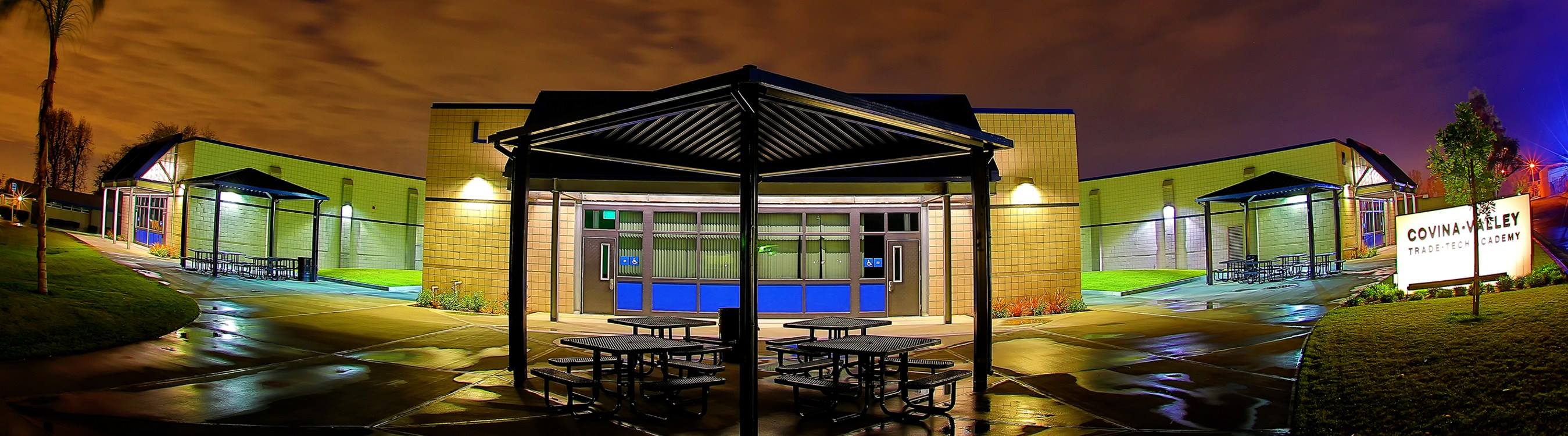
Tri-Community Adult Education is not a traditional college but a pragmatic, no-frills launchpad for adult learners in the San Gabriel Valley. Operating from its main campus in Covina, it functions as a critical second-chance institution, offering high school diplomas, GED prep, and career technical training with a singular focus on workforce readiness and immediate economic mobility. Its character is defined by its student body—where nearly 40% are adults over 25—and its mission to turn academic credits into job skills.
More details
- Undergrad enrollment
- 217
- Location
- Covina, CA (San Gabriel Valley)
- Contact Phone
- (626) 974-4200
- Institution Type
- Adult Education & Career Technical School
- Main Campus Address
- 160 N Barranca Ave, Covina, CA 91723
- Adult Learners (25+)
- 39.2%
- Financial Aid Contact
- (626) 974-6420 / [email protected]
- Pell Grant Recipient Share
- 14.8%
Outcomes & value
Outcomes & value
- Pell (lower-income) share
- 15%
Earnings = median of students working ~10 years after entry; debt = median of graduates. Value divides 10-yr earnings by one year’s net price — read it as earnings per dollar of annual cost, not a full lifetime ROI; it favors lower-cost schools. Source: U.S. Dept. of Education College Scorecard. Figures lag ~2 years and reflect all students, not your intended major.
Campus & location
Campus safety
- On-campus violent crimes (2024)
- 0
On-campus criminal offenses classed as violent (murder/non-negligent manslaughter, rape, robbery, aggravated assault) for the most recent reported year. Source: U.S. Dept. of Education Campus Safety and Security (Clery Act). Counts reflect what’s reported to the school, and urban campuses often report more partly due to non-student incidents nearby — read alongside campus size and setting, not as a standalone safety verdict.
Climate
- Pleasant days / yr
- 198
- Summer high
- 89°F
- Winter low
- 45°F
- Annual rain
- 17.7"
- Annual snow
- 0.7"
- Natural-hazard risk
- Very High
Pleasant days counts days per year with a mean temperature of 55–75°F, a high at or below 90°F, a low at or above 45°F, and little precipitation — a transparent comfort measure, not a weighting we invented. Computed from Open-Meteo ERA5 daily history (2019–2023). Natural-hazard risk is the county’s composite rating from the FEMA National Risk Index.
Quick answers
- How many undergraduates attend Tri-Community Adult Education?
- Tri-Community Adult Education enrolls approximately 217 undergraduate students.
- Where is Tri-Community Adult Education located?
- Tri-Community Adult Education is located in Covina, CA.
Admissions
Admissions at Tri-Community Adult Education is defined by open access and a mission to serve the local community. With an reported at 100%, the institution operates on a non-selective, inclusive model typical of adult education programs, prioritizing access over selectivity. The student body is small and distinctive, with a total enrollment of 217 students. A significant portion of these students—39.2%—are classified as adult learners aged 25 and over, underscoring the school's role in serving non-traditional students. The demographic profile is also notable for having a lower-than-peer-average share of Pell Grant recipients at 14.8%, compared to a peer median of 35%. The admissions process appears to be based on enrollment in adult education coursework rather than competitive application metrics. Prospective students are directed to contact the Financial Aid office directly for assistance, with phone and email provided as primary points of contact.
Compare Tri-Community Adult Education
vs New Mexico Institute of Mining and Technologyvs Oregon State University-Cascades Campusvs University of Alaska Southeastvs University of Hawaii at Hilo
See colleges similar to Tri-Community Adult Education →Sources
- Financial Aid - Tri-Community Adult Ed
- Tri-Community Adult Education - Ibex Insights
- Tri-Community Adult Education | Data USA
- Common Data Set: Home
- Tri-Community Adult Education - Niche
- MDD Background Information - Data Vista
- Tri-Community Adult Education - Covina, CA
- School Profile: Tri-Community Adult Education
- Tri-Community Adult Education (@tricommunityadulted)
- Mission and Vision - Tri-Community Adult Ed
- High School Diploma & GED - Tri-Community Adult Ed