Loading…
← All schools
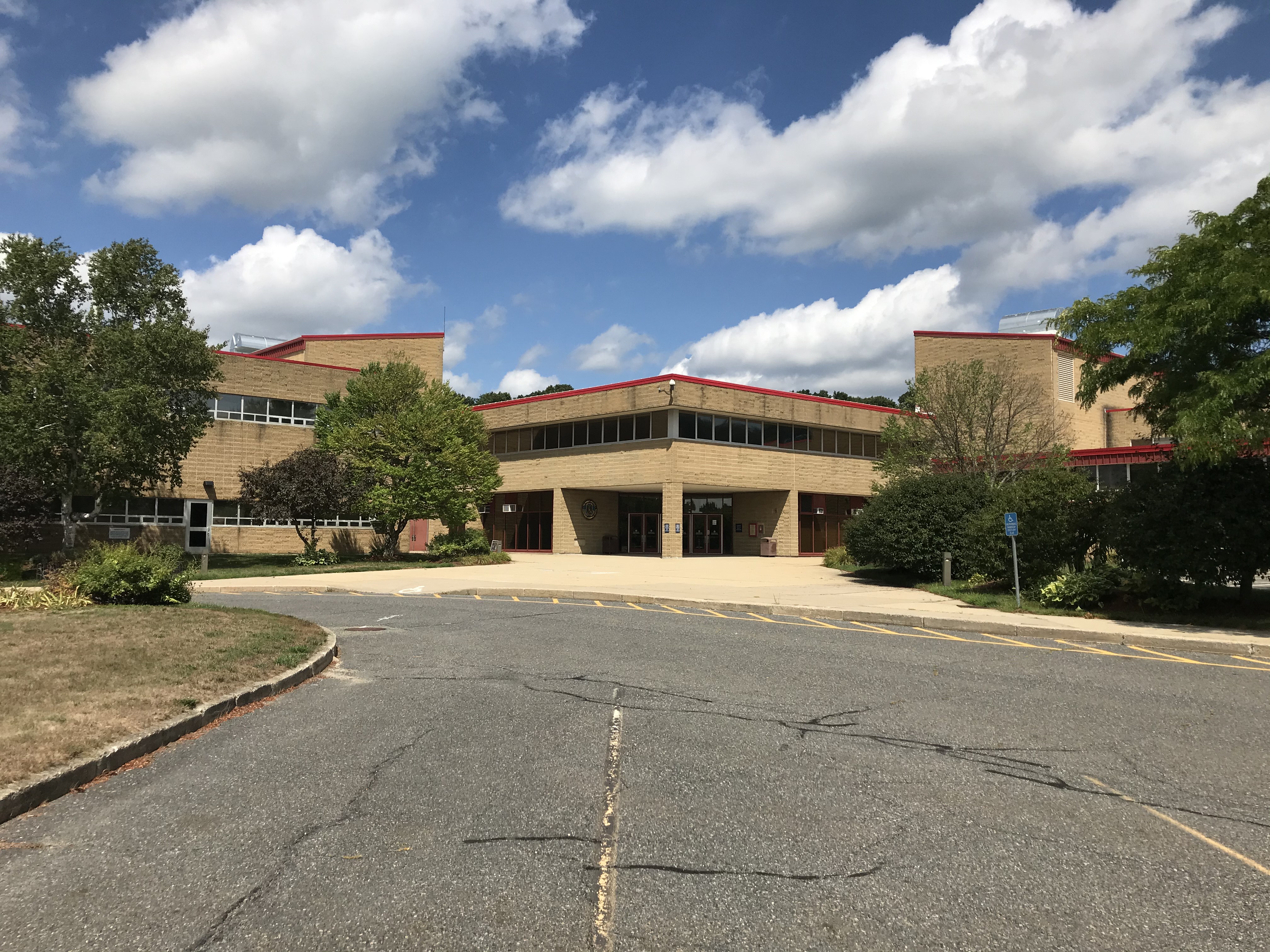
Tri County Regional Vocational Technical High School
Franklin, MApublicwww.tri-county.us/
Tri-County Regional Vocational Technical High School is a public, career-focused high school in Franklin, Massachusetts, that operates more like a specialized trade academy than a traditional comprehensive school. It offers a singular, hands-on education where students split their time between academic coursework and intensive vocational training, preparing them directly for the workforce or further technical study. With a small, tight-knit student body and a culture built around practical skills and school spirit, it represents a distinct and vital pathway in public education.
More details
- Undergrad enrollment
- 72
- Average Grant Aid
- $7,136
- Demonstrated Interest
- Considered (for lottery weight)
- Students in AP Courses
- 7%
- % Students Receiving Grant Aid
- 29%
- 6-Year Graduation Rate (IPEDS)
- 70%
- Students Proficient in Math (State Tests)
- 44%
- 4-Year Grad Rate, Low-Income (2025 Cohort)
- 100%
- Students Proficient in Reading (State Tests)
- 56%
- 4-Year Grad Rate, Students with Disabilities (2025 Cohort)
- 100%
Outcomes & value
Outcomes & value
- Pell (lower-income) share
- 39%
Earnings = median of students working ~10 years after entry; debt = median of graduates. Value divides 10-yr earnings by one year’s net price — read it as earnings per dollar of annual cost, not a full lifetime ROI; it favors lower-cost schools. Source: U.S. Dept. of Education College Scorecard. Figures lag ~2 years and reflect all students, not your intended major.
Campus & location
Campus safety
- On-campus violent crimes (2024)
- 0
On-campus criminal offenses classed as violent (murder/non-negligent manslaughter, rape, robbery, aggravated assault) for the most recent reported year. Source: U.S. Dept. of Education Campus Safety and Security (Clery Act). Counts reflect what’s reported to the school, and urban campuses often report more partly due to non-student incidents nearby — read alongside campus size and setting, not as a standalone safety verdict.
Climate
- Pleasant days / yr
- 98
- Summer high
- 81°F
- Winter low
- 25°F
- Annual rain
- 40.1"
- Annual snow
- 31.6"
- Natural-hazard risk
- Relatively Moderate
Pleasant days counts days per year with a mean temperature of 55–75°F, a high at or below 90°F, a low at or above 45°F, and little precipitation — a transparent comfort measure, not a weighting we invented. Computed from Open-Meteo ERA5 daily history (2019–2023). Natural-hazard risk is the county’s composite rating from the FEMA National Risk Index.
Quick answers
- How much does Tri County Regional Vocational Technical High School cost?
- At Tri County Regional Vocational Technical High School, the average net price (after aid) is about $11,682 per year. Actual cost varies with financial aid and residency.
- How many undergraduates attend Tri County Regional Vocational Technical High School?
- Tri County Regional Vocational Technical High School enrolls approximately 72 undergraduate students.
- Where is Tri County Regional Vocational Technical High School located?
- Tri County Regional Vocational Technical High School is located in Franklin, MA.
Admissions
Admission to Tri-County RVTHS is governed by a formal admissions policy and, for the 2025-2026 cycle, includes a lottery system. All applicants to grades 9-12 must meet the standards established by the School Committee to be considered. The process is designed to be accessible, with one source reporting a 100% , though this is likely reflective of the lottery's nature rather than a lack of selectivity. For the 2025-2026 admissions year, the school implemented a policy granting "ONE additional lottery weight per student provided completion of Demonstration of Interest," formally incorporating this factor into its selection process. The school's total enrollment is small, with 72 students reported for 2024. The student body demographics for the 2025-26 school year show a diverse population, with detailed breakdowns by race and ethnicity provided by the Massachusetts Department of Education.
Compare Tri County Regional Vocational Technical High School
vs United States Coast Guard Academyvs United States Merchant Marine Academyvs Maine Maritime Academyvs Thaddeus Stevens College of Technology
See colleges similar to Tri County Regional Vocational Technical High School →Sources
- Admissions
- Tri-County Regional Vocational Technical in Franklin, MA
- Tri County Regional Vocational Technical High School | Home
- Tri County Regional Vocational Technical High School
- Enrollment Data (2025-26) - Tri-County Regional ...
- Final Tri-County Admissions Policy 2025-2026.docx
- Tri-County Regional Vocational Technical High School
- Tri County Regional Vocational Technical High School
- Tri County Regional Vocational Technical High School
- Academics | Tri-County Regional Vocational Technical High School