Loading…
← All schools
Tricoci University of Beauty Culture
Urbana, ILprivate forprofitwww.tricociuniversity.edu/
Avg net price
$25,061
Earnings (10 yr)
$18,077
Acceptance & SAT from Common Data Set / IPEDS; net price, earnings & graduation from the U.S. Dept. of Education College Scorecard. Figures lag ~1–2 years — verify with the school.
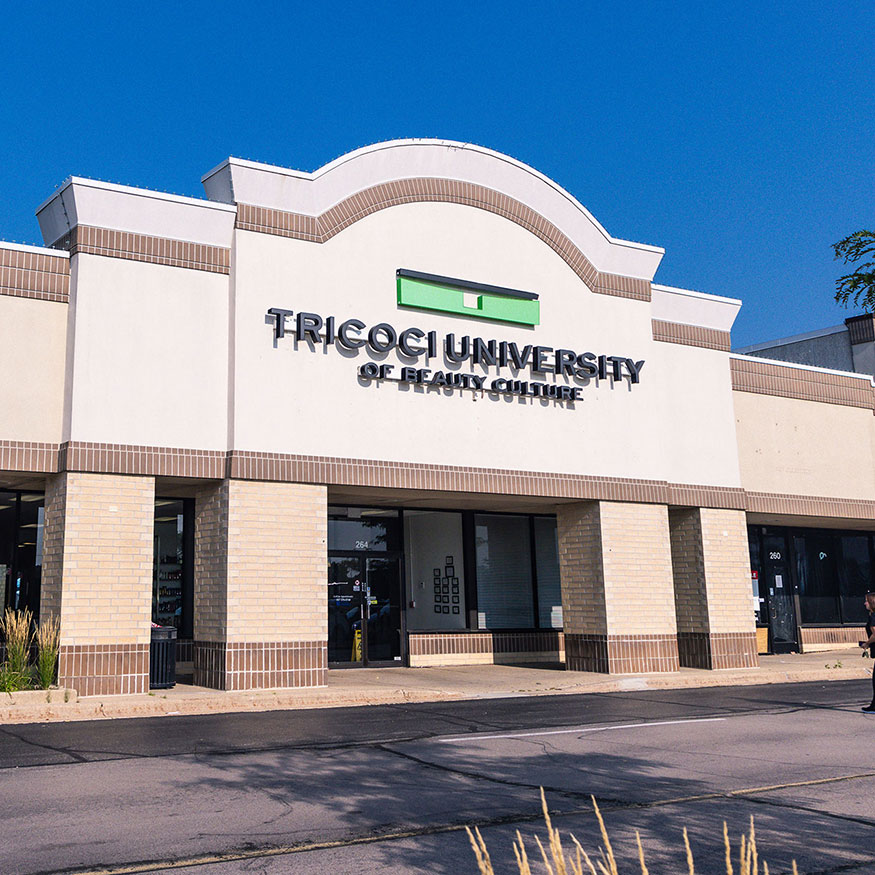
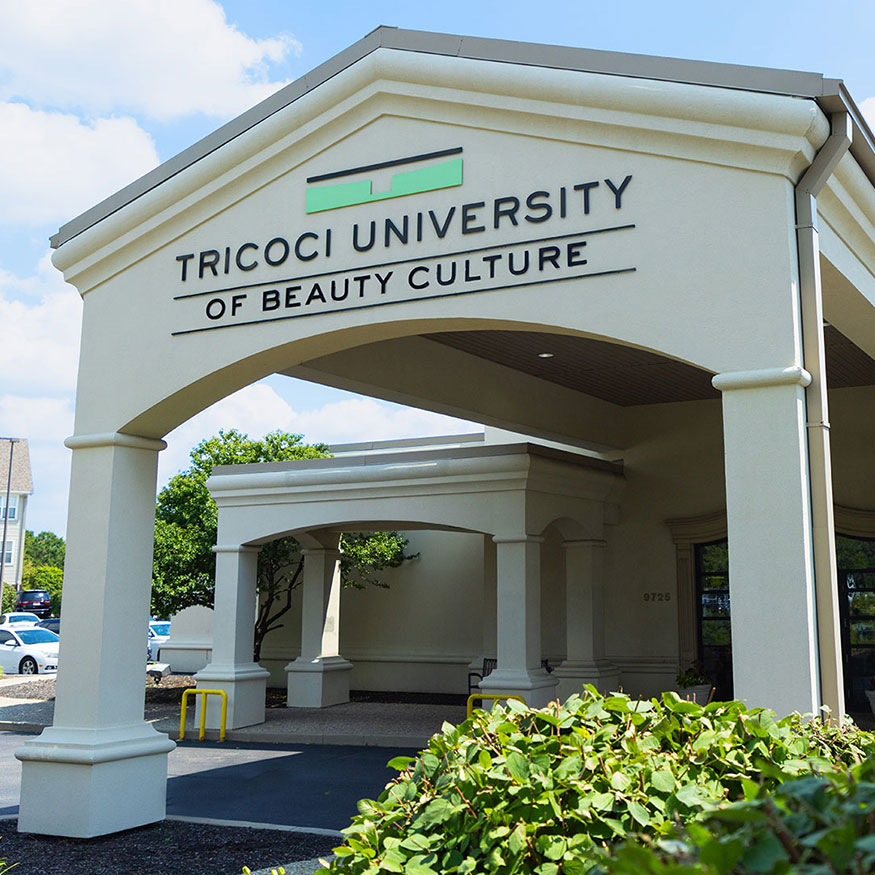
Tricoci University of Beauty Culture is a for-profit, multi-campus cosmetology school network across the Midwest, operating with the pragmatism of a trade school rather than the selectivity of a traditional university. Its identity is built on open-access admissions, a hyper-focused curriculum in beauty services, and a rolling start schedule that prioritizes getting students into the workforce quickly. While it boasts high graduation rates for the sector and has trained over 15,000 graduates, its economic outcomes for alumni, as reported by federal data, are a central point of scrutiny for prospective students weighing the investment.
More details
- Undergrad enrollment
- 173
- Campuses
- 15 across Midwest
- Programs
- Cosmetology, Esthetics, Barbering, Nail Tech
- Institution Type
- For-profit, Certificate-granting
- New Class Starts
- Every 6 weeks
- Median Earnings (10yr)
- $18,077
- Graduation Rate (Highland, IN campus)
- 73%
Outcomes & value
Outcomes & value
- Median earnings (10 yr)
- $18,077
- Value (earnings ÷ net price)
- 0.7×
- Median debt at graduation
- $9,000
- Reducing loan balance (3 yr)
- 34%
- Pell (lower-income) share
- 63%
- First-gen share (among federal-aid recipients)
- 49%
Earnings = median of students working ~10 years after entry; debt = median of graduates. Value divides 10-yr earnings by one year’s net price — read it as earnings per dollar of annual cost, not a full lifetime ROI; it favors lower-cost schools. Source: U.S. Dept. of Education College Scorecard. Figures lag ~2 years and reflect all students, not your intended major.
Financial health
1.7 / 3.0Meets the federal financial-responsibility standard
U.S. Dept. of Education Financial Responsibility Composite Score (FY2022-23). Scale −1.0 to 3.0; ≥1.5 meets the standard. Reported for private nonprofit & for-profit institutions only — public universities are state-backed and not scored, so this is a stability signal, not a ranking.
Campus & location
Campus safety
- On-campus violent crimes (2024)
- 0
On-campus criminal offenses classed as violent (murder/non-negligent manslaughter, rape, robbery, aggravated assault) for the most recent reported year. Source: U.S. Dept. of Education Campus Safety and Security (Clery Act). Counts reflect what’s reported to the school, and urban campuses often report more partly due to non-student incidents nearby — read alongside campus size and setting, not as a standalone safety verdict.
Climate
- Pleasant days / yr
- 91
- Summer high
- 83°F
- Winter low
- 24°F
- Annual rain
- 40"
- Annual snow
- 18.6"
- Natural-hazard risk
- Relatively Moderate
Pleasant days counts days per year with a mean temperature of 55–75°F, a high at or below 90°F, a low at or above 45°F, and little precipitation — a transparent comfort measure, not a weighting we invented. Computed from Open-Meteo ERA5 daily history (2019–2023). Natural-hazard risk is the county’s composite rating from the FEMA National Risk Index.
Deep dive — research, future-scholar output & economic mobility
Research output
- Institutional h-index
- 13
- Scholarly works
- 66
Institutional research volume and impact from OpenAlex. The h-index reflects large research universities and will be low for teaching-focused liberal-arts colleges — not a measure of undergraduate quality.
Quick answers
- How much does Tricoci University of Beauty Culture cost?
- At Tricoci University of Beauty Culture, the average net price (after aid) is about $25,061 per year. Actual cost varies with financial aid and residency.
- How many undergraduates attend Tricoci University of Beauty Culture?
- Tricoci University of Beauty Culture enrolls approximately 173 undergraduate students.
- Where is Tricoci University of Beauty Culture located?
- Tricoci University of Beauty Culture is located in Urbana, IL.
Admissions
Tricoci University operates on an open admission policy, meaning it accepts 100% of applicants who meet its basic requirements. There is no competitive selection process based on grades or test scores; the Department of Education explicitly notes that admissions and test score data are not presented for institutions like Tricoci because they do not have a selective policy. The barrier to entry is procedural, not academic.
Prospective students must complete an admissions interview, submit proof of secondary education (a high school diploma or GED), and be at least 16 years old. The school encourages a 'Look Before You Enroll' approach, advising candidates to review all program details and costs. With new classes starting every six weeks across its 15 campuses, the admissions cycle is continuous and designed for immediate entry, reflecting its mission as a direct pathway to vocational training.
Compare Tricoci University of Beauty Culture
vs Hillsdale Collegevs United States Coast Guard Academyvs Grove City Collegevs William Woods University
See colleges similar to Tricoci University of Beauty Culture →Sources
- Beauty School Admissions Process
- STUDENT CATALOG
- DFR Report PDF - Department of Education
- Tricoci University: Cosmetology School in IL, IN & WI
- STUDENT CATALOG
- Tricoci University of Beauty Culture
- Tricoci University of Beauty Culture Peoria
- Tricoci University Of Beauty Culture Bridgeview Admission
- Tricoci University of Beauty Culture-Chicago NW
- Tricoci University of Beauty Culture Normal