Loading…
← All schools
Turtle Mountain College
Belcourt, NDprivate nonprofitwww.tm.edu/
Avg net price
$3,428
Earnings (10 yr)
$32,079
Graduation rate
43%
Acceptance & SAT from Common Data Set / IPEDS; net price, earnings & graduation from the U.S. Dept. of Education College Scorecard. Figures lag ~1–2 years — verify with the school.
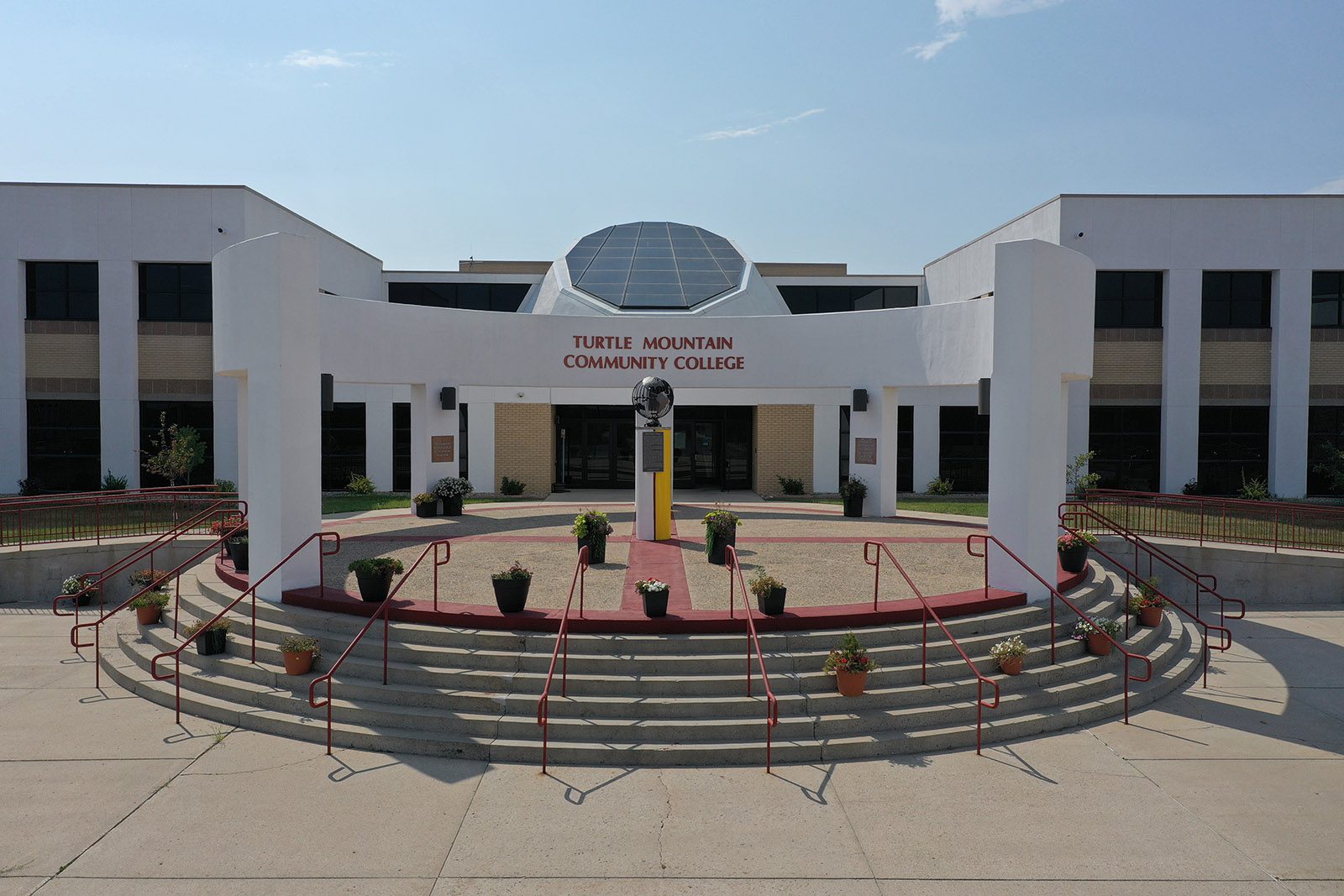
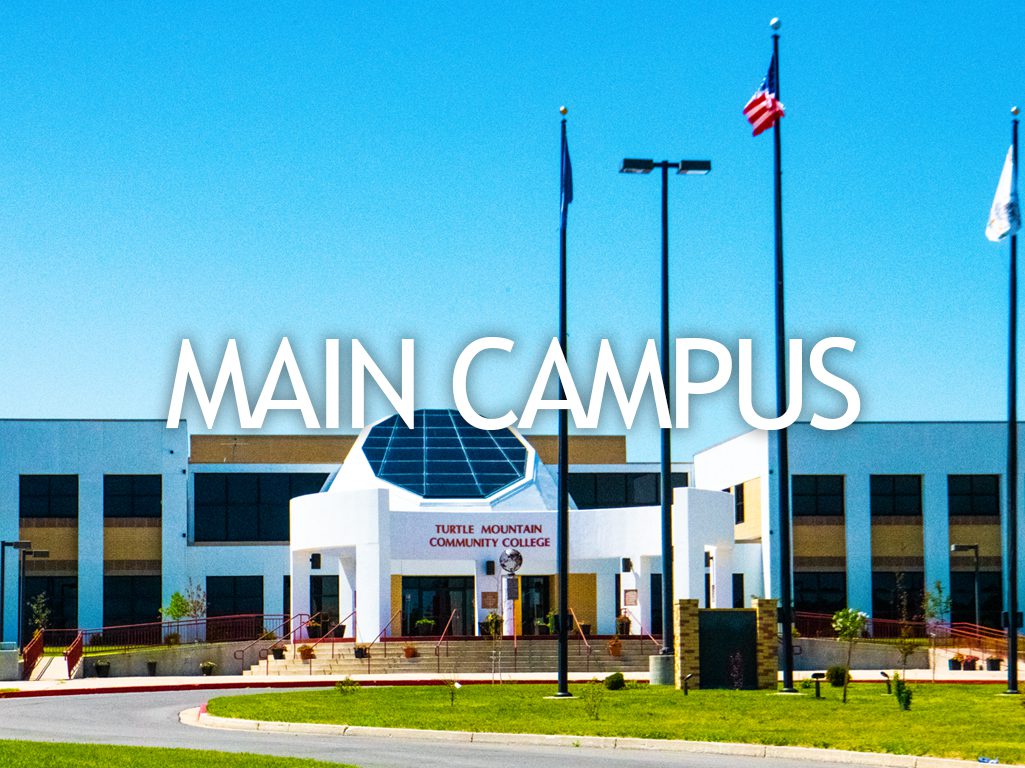
Turtle Mountain College isn't just a community college; it's a vital, autonomous tribal institution, one of the original six tribal colleges founded in the early 1970s. With a 100% acceptance rate and an average net price after aid of just $3,428, its mission is to provide accessible, affordable education deeply rooted in the culture and needs of the Turtle Mountain Band of Chippewa. The curriculum is intensely practical, focusing on career-ready fields like Building Construction Technology and Cybersecurity, while the Anishinabe Campus serves as a powerful cultural and wellness center.
More details
- Undergrad enrollment
- 543
- In-state tuition
- $2,794
- Out-of-state tuition
- $2,794
- Application Fee
- $0
- Graduation Rate
- 43%
- Median Earnings (10yr)
- $32,079
- First-Year Retention Rate
- 100%
Outcomes & value
Outcomes & value
- Median earnings (10 yr)
- $32,079
- Value (earnings ÷ net price)
- 9.4×
- Graduation rate
- 43%
- First-year retention
- 100%
- Pell (lower-income) share
- 58%
- First-gen share (among federal-aid recipients)
- 35%
- Endowment / student
- $4,938
Earnings = median of students working ~10 years after entry; debt = median of graduates. Value divides 10-yr earnings by one year’s net price — read it as earnings per dollar of annual cost, not a full lifetime ROI; it favors lower-cost schools. Source: U.S. Dept. of Education College Scorecard. Figures lag ~2 years and reflect all students, not your intended major.
Top-earning majors
Median earnings by field of study (highest credential), ~2 years after completion.
- Teacher Education and Professional Development, Specific Levels and Methods$47,260
Source: U.S. Dept. of Education College Scorecard (field-of-study earnings). Figures cover graduates who received federal aid and lag ~2 years; not all programs report data.
Campus & location
Campus safety
- On-campus violent crimes (2024)
- 0
- Per 1,000 students
- 0.00
On-campus criminal offenses classed as violent (murder/non-negligent manslaughter, rape, robbery, aggravated assault) for the most recent reported year. Source: U.S. Dept. of Education Campus Safety and Security (Clery Act). Counts reflect what’s reported to the school, and urban campuses often report more partly due to non-student incidents nearby — read alongside campus size and setting, not as a standalone safety verdict.
Climate
- Pleasant days / yr
- 97
- Summer high
- 75°F
- Winter low
- 3°F
- Annual rain
- 17.7"
- Annual snow
- 41.5"
- Natural-hazard risk
- Relatively Low
Pleasant days counts days per year with a mean temperature of 55–75°F, a high at or below 90°F, a low at or above 45°F, and little precipitation — a transparent comfort measure, not a weighting we invented. Computed from Open-Meteo ERA5 daily history (2019–2023). Natural-hazard risk is the county’s composite rating from the FEMA National Risk Index.
Quick answers
- How much does Turtle Mountain College cost?
- At Turtle Mountain College, the average net price (after aid) is about $3,428 per year. Actual cost varies with financial aid and residency.
- How many undergraduates attend Turtle Mountain College?
- Turtle Mountain College enrolls approximately 543 undergraduate students.
- Where is Turtle Mountain College located?
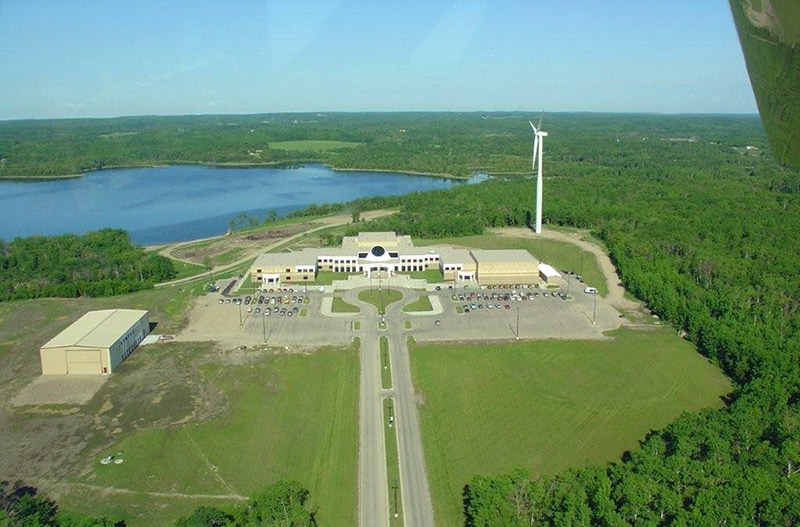
- Turtle Mountain College is located in Belcourt, ND.
Admissions
Turtle Mountain College operates on a mission of radical accessibility. The admissions process is open, with multiple sources citing a 100% . One source notes that in a given cycle, all 67 applicants were accepted, with 840 students ultimately enrolled. There is no application fee, and the college explicitly states its goal is to provide education for current and potential students within the community. While some external databases list no specific SAT/ACT ranges or high school GPA requirements, the college's own materials emphasize support and navigation of the college system as primary goals over competitive selection.
Academics
Academics at Turtle Mountain College are defined by career-focused, practical education. The college offers Associate of Applied Science degrees in fields directly tied to local and regional workforce needs. Popular and specialized majors include Building Construction Technology, Business Administration, and Cybersecurity & Data Privacy. Data analysis shows the college has a distinctive focus, with Transportation and Engineering Technologies among its most specialized degree programs. The academic environment is described as one committed to post-secondary education and scholarly research, functioning as an autonomous Tribal College. Class sizes are not specified in the provided sources, but the emphasis is on creating pathways to employment and further education.
Compare Turtle Mountain College
See colleges similar to Turtle Mountain College →Sources
- CMC Common Data Set - Colorado Mountain College
- Common Data Set: Home
- Decoding the Common Data Set What You Need to Know for Your ...
- [PDF] Common Data Set 2025-2026 - Claremont McKenna College
- How To Use a Common Data Set - The College Solution
- [PDF] Self Study - Turtle Mountain College
- Turtle Mountain College
- Admissions
- Turtle Mountain Community College - Profile, Rankings ...
- Turtle Mountain Community College - Sallie
- Turtle Mountain Community College