Loading…
← All schools
Uintah Basin Technical College
Roosevelt, UTpublicwww.ubtech.edu/
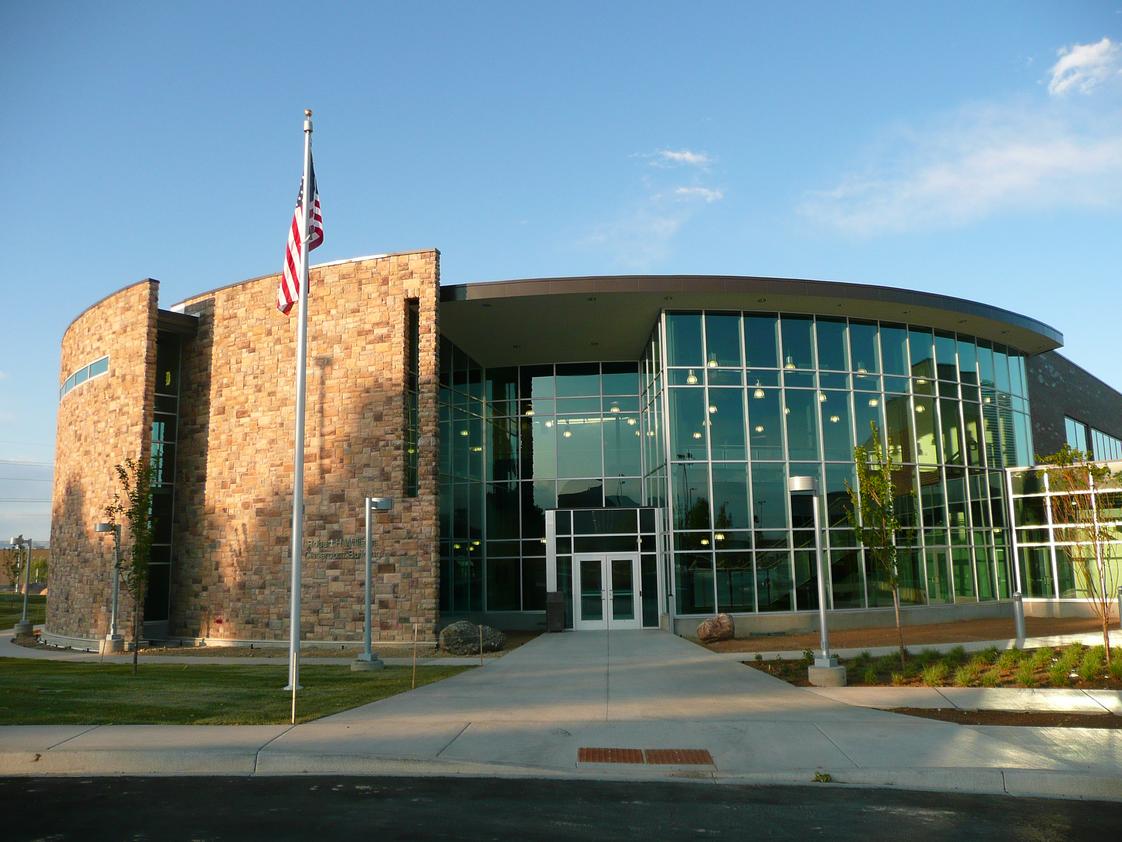
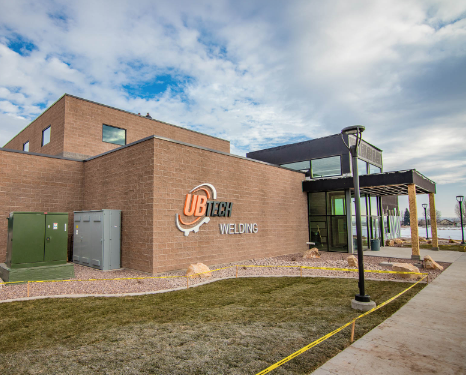
Uintah Basin Technical College is a hyper-practical, open-access institution in Roosevelt, Utah, built for speed and direct economic payoff. It operates with a singular focus: funneling students into high-demand technical fields through competency-based learning and convenient schedules, with no pretense of a traditional liberal arts experience. This is a place where graduation means a job, and the curriculum is a direct pipeline to the regional workforce.
More details
- Undergrad enrollment
- 544
- No-Loan Policy
- Yes (does not participate in federal loan programs)
- Graduation Rate
- 86.36%
- Student Body Focus
- Part-time (91% part-time)
- Highest Degree Offered
- Associate Degree
- Median Earnings (10yr)
- $28,178
Outcomes & value
Outcomes & value
- Median earnings (10 yr)
- $28,178
- Pell (lower-income) share
- 1%
Earnings = median of students working ~10 years after entry; debt = median of graduates. Value divides 10-yr earnings by one year’s net price — read it as earnings per dollar of annual cost, not a full lifetime ROI; it favors lower-cost schools. Source: U.S. Dept. of Education College Scorecard. Figures lag ~2 years and reflect all students, not your intended major.
Campus & location
Campus safety
- On-campus violent crimes (2024)
- 0
On-campus criminal offenses classed as violent (murder/non-negligent manslaughter, rape, robbery, aggravated assault) for the most recent reported year. Source: U.S. Dept. of Education Campus Safety and Security (Clery Act). Counts reflect what’s reported to the school, and urban campuses often report more partly due to non-student incidents nearby — read alongside campus size and setting, not as a standalone safety verdict.
Climate
- Pleasant days / yr
- 62
- Summer high
- 91°F
- Winter low
- 14°F
- Annual rain
- 7.9"
- Annual snow
- 27.1"
- Natural-hazard risk
- Very Low
Pleasant days counts days per year with a mean temperature of 55–75°F, a high at or below 90°F, a low at or above 45°F, and little precipitation — a transparent comfort measure, not a weighting we invented. Computed from Open-Meteo ERA5 daily history (2019–2023). Natural-hazard risk is the county’s composite rating from the FEMA National Risk Index.
Quick answers
- How many undergraduates attend Uintah Basin Technical College?
- Uintah Basin Technical College enrolls approximately 544 undergraduate students.
- Where is Uintah Basin Technical College located?
- Uintah Basin Technical College is located in Roosevelt, UT.
Admissions
Admissions at UBTech is defined by its open-access mission, a stark contrast to the selective frenzy of four-year colleges. The process is less about gatekeeping and more about guiding applicants into the right program. Multiple sources confirm an of 100%, underscoring the college's commitment to providing educational access to the region. The admission criteria are transparent and procedural: determine your desired program, complete the entrance requirements (which are specific to each technical field), and finish pre-registration to verify eligibility. There is no mention of standardized test scores like the SAT or ACT as a barrier; the focus is squarely on program-specific readiness. The ethos is one of inclusion, designed to serve a student body that is largely part-time, with only 9% attending full-time.
Academics
Academics at UBTech are unapologetically vocational and competency-based. The college offers certificates and associate degrees, with the highest degree offered being "at least 1, but less than 2 academic years." Programs are laser-focused on immediate, high-demand employment. The automotive cluster is a standout, encompassing Automotive Technology, Collision Repair and Refinishing, and Diesel Technology. The college continuously adapts its offerings, recently adding programs in Surgical Technology, IT Support, and Network Technician to meet evolving workforce needs. The learning model is built around "convenient schedules" and mastery of skills, not credit-hour accumulation. This pragmatic approach is validated by outcomes: one year post-graduation, the median salary for certificate holders was reported at $50,293, even slightly higher than the $47,956 median for associate degree holders—a telling detail that highlights the value placed on specific, concentrated skill sets.
Compare Uintah Basin Technical College
vs United States Coast Guard Academyvs University of Alaska Southeastvs United States Air Force Academyvs Florida Polytechnic University
See colleges similar to Uintah Basin Technical College →Sources
- Common Data Set | Institutional Effectiveness
- Common Data Set: Home
- Common Data Set 2022-2023
- Common Data Set - Analytics & Institutional Effectiveness
- Where to find Common Data Set (CDS) for college ...
- California Institute of Technology COMMON DATA SET 2003 ...
- Uintah Basin Technical College
- Uintah Basin Technical College — Acceptance Rate, Costs ...
- Uintah Basin Technical College
- Uintah Basin Technical College | Class of 2030 Community
- Uintah Basin Technical College Admissions Statistics
- Uintah Basin Technical College (Top-Ranked Community ...