Loading…
← All schools
Ultrasound Medical Institute
Wellington, FLprivate forprofitwww.nriinstitute.edu/
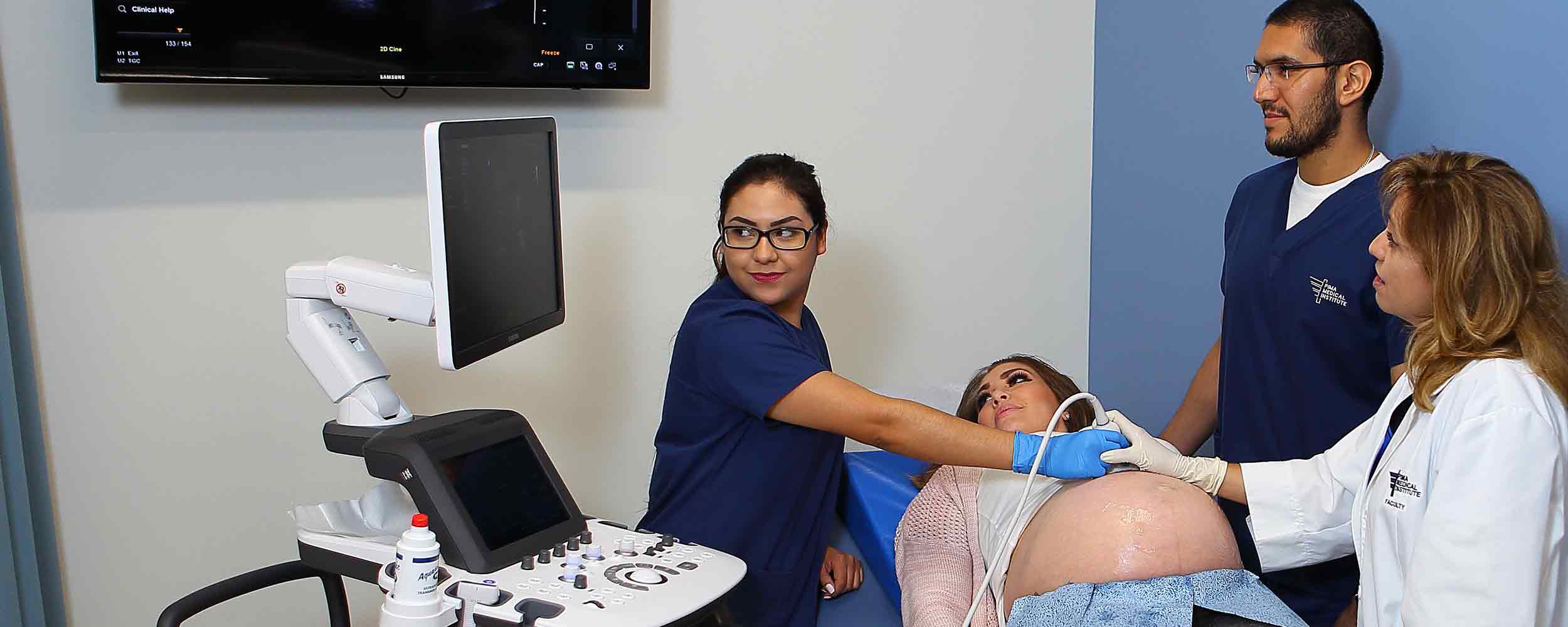
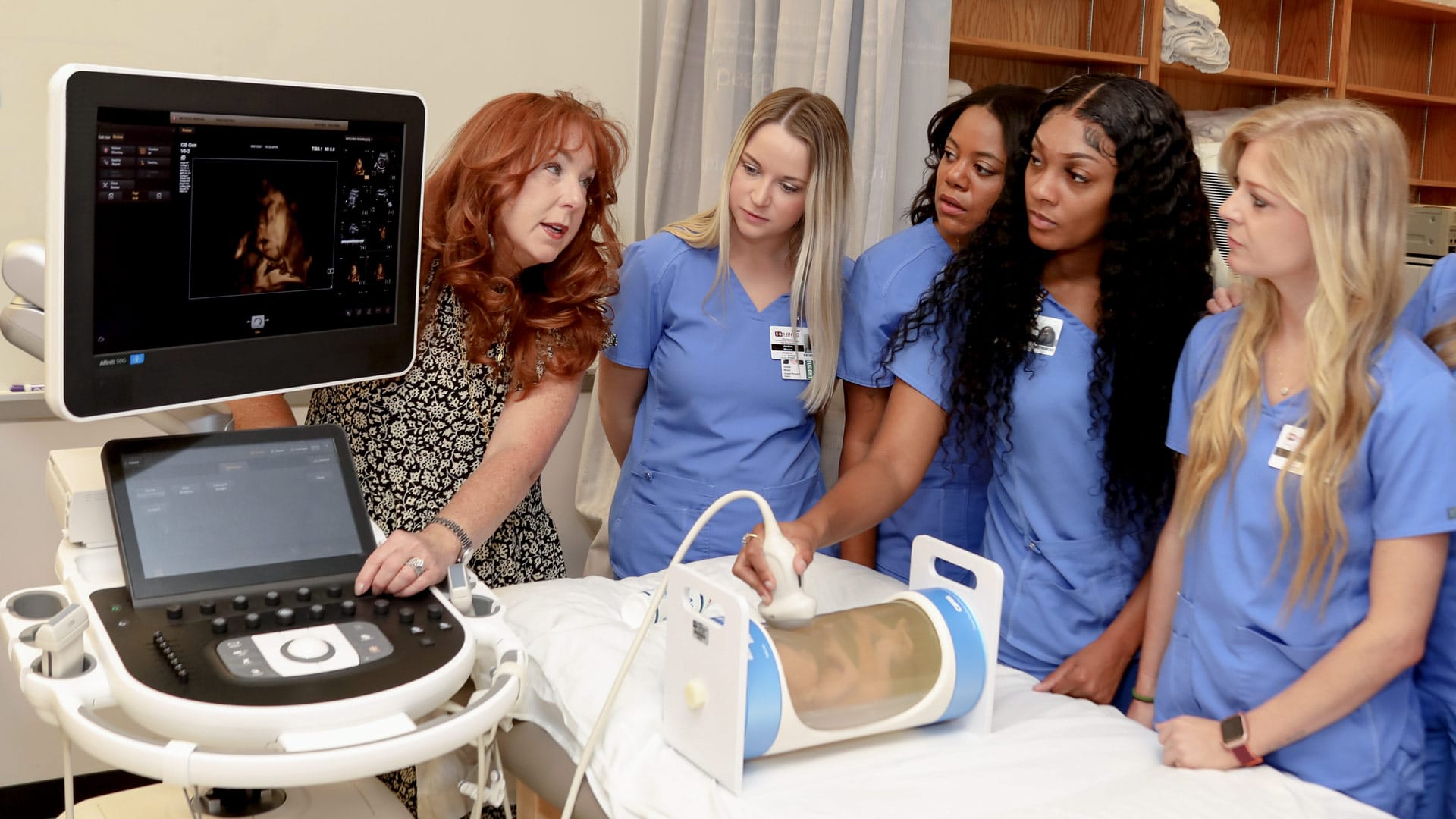
Ultrasound Medical Institute is a tiny, hyper-specialized trade school in Wellington, Florida, laser-focused on training diagnostic medical sonographers. With an open admissions policy and a student body of just over 100, it operates more like a vocational boot camp than a traditional college, offering a direct, no-frills path into a specific healthcare field. Its defining characteristic is its singular academic purpose, but this comes with a challenging financial picture and outcomes that demand careful scrutiny.
More details
- Undergrad enrollment
- 121
- Graduation Rate
- 25%
- Most Popular Program
- Registered Nursing/Sonography
- Average Total Grant Aid
- $3,572 - $5,000
- Students Receiving Grant Aid
- 100%
Outcomes & value
Outcomes & value
- Median debt at graduation
- $20,000
- Pell (lower-income) share
- 64%
Earnings = median of students working ~10 years after entry; debt = median of graduates. Value divides 10-yr earnings by one year’s net price — read it as earnings per dollar of annual cost, not a full lifetime ROI; it favors lower-cost schools. Source: U.S. Dept. of Education College Scorecard. Figures lag ~2 years and reflect all students, not your intended major.
Campus & location
Campus safety
- On-campus violent crimes (2024)
- 0
On-campus criminal offenses classed as violent (murder/non-negligent manslaughter, rape, robbery, aggravated assault) for the most recent reported year. Source: U.S. Dept. of Education Campus Safety and Security (Clery Act). Counts reflect what’s reported to the school, and urban campuses often report more partly due to non-student incidents nearby — read alongside campus size and setting, not as a standalone safety verdict.
Climate
- Pleasant days / yr
- 113
- Summer high
- 88°F
- Winter low
- 62°F
- Annual rain
- 51"
- Natural-hazard risk
- Relatively High
Pleasant days counts days per year with a mean temperature of 55–75°F, a high at or below 90°F, a low at or above 45°F, and little precipitation — a transparent comfort measure, not a weighting we invented. Computed from Open-Meteo ERA5 daily history (2019–2023). Natural-hazard risk is the county’s composite rating from the FEMA National Risk Index.
Quick answers
- How much does Ultrasound Medical Institute cost?
- At Ultrasound Medical Institute, the average net price (after aid) is about $33,936 per year. Actual cost varies with financial aid and residency.
- How many undergraduates attend Ultrasound Medical Institute?
- Ultrasound Medical Institute enrolls approximately 121 undergraduate students.
- Where is Ultrasound Medical Institute located?
- Ultrasound Medical Institute is located in Wellington, FL.
Admissions
Admissions at Ultrasound Medical Institute are defined by accessibility, not selectivity. The institute operates with an open admission policy, meaning virtually all secondary school graduates or students with GED equivalency diplomas are admitted. This is reflected in a reported 100% acceptance rate. For the 2019 cycle, the institute received 63 undergraduate applications and admitted 57 of those applicants, with 42 ultimately enrolling. The gender breakdown of that enrolling class was 10 male students and 32 female students. There is no indication that the institute considers standardized test scores like the SAT or ACT in its admissions process, nor is there evidence of an Early Decision program. The admissions process appears to be a straightforward formality for those meeting the basic educational prerequisites, positioning the school as a point of entry for career-changers and direct-from-high-school students seeking a specific technical credential.
Compare Ultrasound Medical Institute
vs Emory University-Oxford Collegevs Fisk Universityvs Queens University of Charlottevs Hampden-Sydney College
See colleges similar to Ultrasound Medical Institute →Sources
- [PDF] Common Data Set 2022-2023
- Common Data Set - GradGPT
- Common Data Set (2024-25) - MIT Institutional Research
- Ultrasound Medical Institute - Data USA
- Common Data Set 2023-2024 - Office of Institutional Research
- Ultrasound Medical Institute - DFR Report HTML
- Ultrasound Medical Institute Acceptance Rates & Admissions Statistics
- Ultrasound Medical Institute - Niche
- Institute Of Medical Ultrasound Admissions - BigFuture College Search
- Ultrasound Medical Institute Statistics - Overgrad