Loading…
← All schools
Universal Technical Institute of Northern California Inc
Sacramento, CAprivate forprofitwww.uti.edu/
Avg net price
$28,887
Earnings (10 yr)
$48,341
Acceptance & SAT from Common Data Set / IPEDS; net price, earnings & graduation from the U.S. Dept. of Education College Scorecard. Figures lag ~1–2 years — verify with the school.
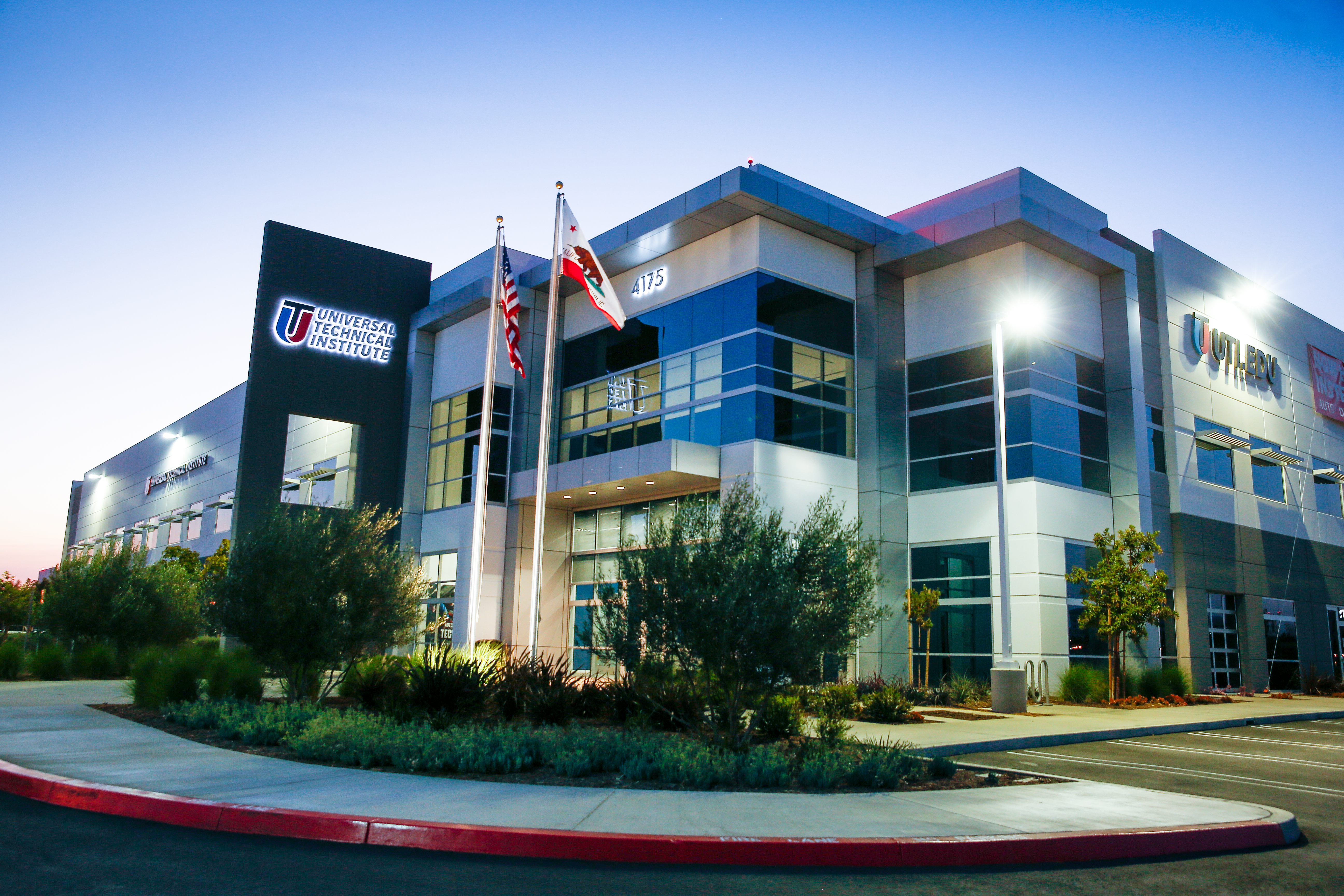
The Universal Technical Institute of Northern California Inc. in Sacramento is a singularly focused trade school that operates on a radically different model than a traditional college. It’s a direct pipeline into the skilled trades, offering intensive, hands-on training in automotive, diesel, welding, and HVACR through an open-admissions policy that prioritizes career readiness over academic selectivity. The culture is that of a working garage, not a quad, where students spend their days in labs designed to mirror real-world shops, aiming for a fast track to a technical career.
More details
- Undergrad enrollment
- 1,214
- Application Fee
- $50
- Graduation Rate
- 69% - 72%
- Most Popular Major
- Mechanical Technologies
- Student-Faculty Ratio
- 39:1
- Median Earnings (10yr)
- $48,341
- Students Receiving Grant/Scholarship Aid
- 78%
Outcomes & value
Outcomes & value
- Median earnings (10 yr)
- $48,341
- Value (earnings ÷ net price)
- 1.7×
- Median debt at graduation
- $13,097
- Reducing loan balance (3 yr)
- 41%
- Pell (lower-income) share
- 57%
- First-gen share (among federal-aid recipients)
- 51%
Earnings = median of students working ~10 years after entry; debt = median of graduates. Value divides 10-yr earnings by one year’s net price — read it as earnings per dollar of annual cost, not a full lifetime ROI; it favors lower-cost schools. Source: U.S. Dept. of Education College Scorecard. Figures lag ~2 years and reflect all students, not your intended major.
Campus & location
Campus safety
- On-campus violent crimes (2024)
- 0
On-campus criminal offenses classed as violent (murder/non-negligent manslaughter, rape, robbery, aggravated assault) for the most recent reported year. Source: U.S. Dept. of Education Campus Safety and Security (Clery Act). Counts reflect what’s reported to the school, and urban campuses often report more partly due to non-student incidents nearby — read alongside campus size and setting, not as a standalone safety verdict.
Climate
- Pleasant days / yr
- 101
- Summer high
- 96°F
- Winter low
- 40°F
- Annual rain
- 23.4"
- Natural-hazard risk
- Relatively High
Pleasant days counts days per year with a mean temperature of 55–75°F, a high at or below 90°F, a low at or above 45°F, and little precipitation — a transparent comfort measure, not a weighting we invented. Computed from Open-Meteo ERA5 daily history (2019–2023). Natural-hazard risk is the county’s composite rating from the FEMA National Risk Index.
Quick answers
- How much does Universal Technical Institute of Northern California Inc cost?
- At Universal Technical Institute of Northern California Inc, the average net price (after aid) is about $28,887 per year. Actual cost varies with financial aid and residency.
- How many undergraduates attend Universal Technical Institute of Northern California Inc?
- Universal Technical Institute of Northern California Inc enrolls approximately 1,214 undergraduate students.
- Where is Universal Technical Institute of Northern California Inc located?
- Universal Technical Institute of Northern California Inc is located in Sacramento, CA.
Admissions
UTI Sacramento operates on an open admissions policy, a defining characteristic that sets it apart from the competitive frenzy of traditional four-year colleges. This policy translates to an that is effectively 100% for applicants who meet the basic requirements. The process is designed to be accessible, with a focus on identifying candidates ready for hands-on technical training rather than filtering by standardized test scores or high school GPAs. The school does not require SAT or ACT scores for admission. The primary gatekeepers are practical: applicants must be at least 16 years old, have a high school diploma or GED, and complete an interview process. The application fee is $50. This approach reflects the institution's mission to provide inclusive education and workforce development in the skilled trades.
Academics
Academics at UTI are synonymous with applied, industry-specific training. The curriculum is a concentrated dive into mechanical technologies, with programs structured to be completed in a matter of months, not years. The school catalog highlights its focus on being "one of the few private career schools in the nation" to offer integrated programs in . Data confirms that is by far the most specialized and popular major, with Precision Production also being a significant offering. Training is intensely hands-on; students spend the vast majority of their time in labs that are designed to replicate real-world automotive and diesel service bays. The student-faculty ratio is 39-to-1, which aligns with a model of demonstration and supervised practice rather than small seminar discussions. This is a place for learning by doing, where the goal is mastery of specific tools, diagnostics, and repair procedures for in-demand trades.
Compare Universal Technical Institute of Northern California Inc
vs Arizona Christian Universityvs Northwest Nazarene Universityvs The College of Idahovs Willamette University
See colleges similar to Universal Technical Institute of Northern California Inc →Sources
- Common Data Set: Home
- [PDF] Common Data Set 2022-2023 | Scripps College
- Decoding the Common Data Set What You Need to Know for Your ...
- Common Data Set - GradGPT
- Common Data Set Ultimate Guide: Use It to Find the Right College
- Common Data Set - Financial Services - Caltech
- Admission Requirements | Universal Technical Institute
- Universal Technical Institute SAT Requirements, ACT, and GPA
- Universal Technical Institute of Northern California Inc Admissions ...
- Universal Technical Institute - Rancho Cucamonga - Niche

.webp&w=3840&q=75)