Loading…
← All schools
Universal Technical Institute of Pennsylvania Inc
Exton, PAprivate forprofitwww.uti.edu/
Avg net price
$24,883
Earnings (10 yr)
$51,222
Acceptance & SAT from Common Data Set / IPEDS; net price, earnings & graduation from the U.S. Dept. of Education College Scorecard. Figures lag ~1–2 years — verify with the school.
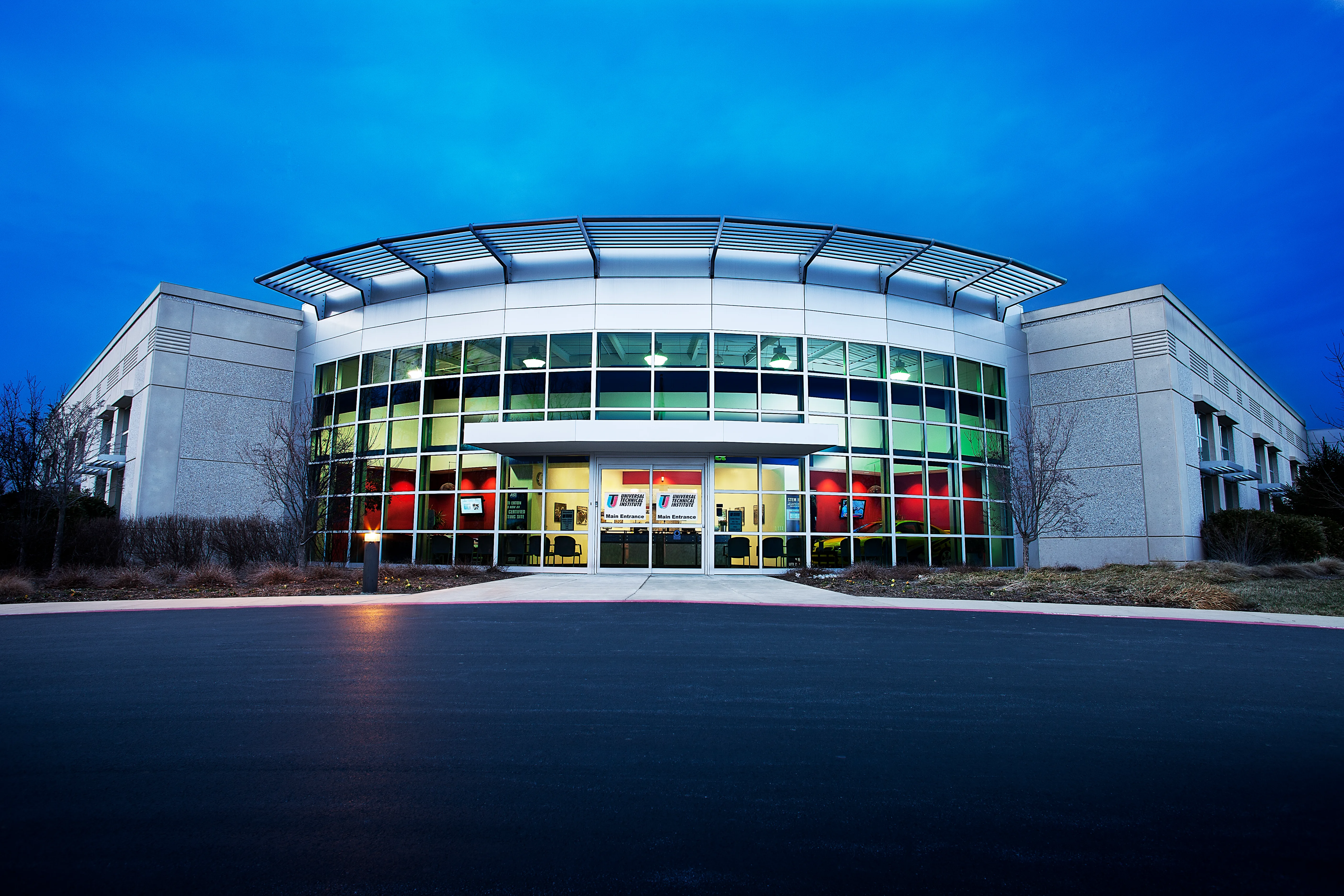
Universal Technical Institute of Pennsylvania Inc in Exton is a singular, no-frills trade school laser-focused on turning hands-on learners into skilled technicians in under two years. Forget ivy-covered quads; its campus is a collection of high-bay labs that look and smell like real-world auto, diesel, and welding shops, creating a culture where everyone fits because they share a single-minded goal: a fast-track to a trade. With an admissions policy that prioritizes readiness over selectivity and a curriculum built around industry partnerships, UTI operates less like a traditional college and more like a career launchpad for the transportation and skilled trades sectors.
More details
- Undergrad enrollment
- 954
- Top Major
- Automotive Mechanics Technology
- Graduation Rate
- 67%
- Median Earnings (10yr)
- $51,222
- Students Receiving Grant Aid
- 79%
- Federal Pell Grant Recipients
- 66%
Outcomes & value
Outcomes & value
- Median earnings (10 yr)
- $51,222
- Value (earnings ÷ net price)
- 2.1×
- Median debt at graduation
- $14,267
- Reducing loan balance (3 yr)
- 49%
- Pell (lower-income) share
- 53%
- First-gen share (among federal-aid recipients)
- 57%
Earnings = median of students working ~10 years after entry; debt = median of graduates. Value divides 10-yr earnings by one year’s net price — read it as earnings per dollar of annual cost, not a full lifetime ROI; it favors lower-cost schools. Source: U.S. Dept. of Education College Scorecard. Figures lag ~2 years and reflect all students, not your intended major.
Campus & location
Campus safety
- On-campus violent crimes (2024)
- 0
On-campus criminal offenses classed as violent (murder/non-negligent manslaughter, rape, robbery, aggravated assault) for the most recent reported year. Source: U.S. Dept. of Education Campus Safety and Security (Clery Act). Counts reflect what’s reported to the school, and urban campuses often report more partly due to non-student incidents nearby — read alongside campus size and setting, not as a standalone safety verdict.
Climate
- Pleasant days / yr
- 94
- Summer high
- 84°F
- Winter low
- 29°F
- Annual rain
- 50"
- Annual snow
- 16.5"
- Natural-hazard risk
- Relatively Moderate
Pleasant days counts days per year with a mean temperature of 55–75°F, a high at or below 90°F, a low at or above 45°F, and little precipitation — a transparent comfort measure, not a weighting we invented. Computed from Open-Meteo ERA5 daily history (2019–2023). Natural-hazard risk is the county’s composite rating from the FEMA National Risk Index.
Quick answers
- How much does Universal Technical Institute of Pennsylvania Inc cost?
- At Universal Technical Institute of Pennsylvania Inc, the average net price (after aid) is about $24,883 per year. Actual cost varies with financial aid and residency.
- How many undergraduates attend Universal Technical Institute of Pennsylvania Inc?
- Universal Technical Institute of Pennsylvania Inc enrolls approximately 954 undergraduate students.
- Where is Universal Technical Institute of Pennsylvania Inc located?
- Universal Technical Institute of Pennsylvania Inc is located in Exton, PA.
Admissions
UTI's admissions process is defined by accessibility, not exclusivity. The school reports a 100% , reflecting its mission to provide career training to those ready to engage with its intensive, hands-on programs. The process is straightforward: applicants must have a high school diploma or GED and complete an admissions interview. Standardized test scores (SAT/ACT) are not part of the admissions requirements, shifting the focus entirely to a candidate's readiness and commitment to technical training. While the outlines factors colleges may consider, UTI's published requirements emphasize foundational eligibility over competitive academic metrics. The school encourages campus tours for prospective students to get a behind-the-scenes look at daily life, suggesting a practical, experience-oriented approach to the decision-making process.
Academics
Academics at UTI are synonymous with industry-specific, immersive technical training. The school's identity is captured in its overwhelming specialization: accounts for nearly 400 degrees awarded, with a distant second. Within that broad category, the curriculum is intensely focused on transportation and repair.
Compare Universal Technical Institute of Pennsylvania Inc
See colleges similar to Universal Technical Institute of Pennsylvania Inc →Sources
- Common Data Set: Home
- [PDF] Common Data Set 202 - Academic Planning and Budget
- Common Data Set Ultimate Guide: Use It to Find the Right College
- The Common Data Set: What It Is & How to Use It In College ...
- Common Data Set - Financial Services - Caltech
- Common Data Set | Office of Planning, Assessment, and ... - opair
- Universal Technical Institute of Pennsylvania Inc - College Decoded
- Admission Requirements | Universal Technical Institute
- Universal Technical Institute - Exton - Niche
- Universal Technical Institute of Pennsylvania Inc | Data USA
- Universal Technical Institute of Pennsylvania Inc Statistics - Overgrad
.webp&w=3840&q=75)