Loading…
← All schools
Universal Technical Institute-South Florida Miramar
Miramar, FLprivate forprofituti.edu
Avg net price
$28,759
Earnings (10 yr)
$52,873
Acceptance & SAT from Common Data Set / IPEDS; net price, earnings & graduation from the U.S. Dept. of Education College Scorecard. Figures lag ~1–2 years — verify with the school.
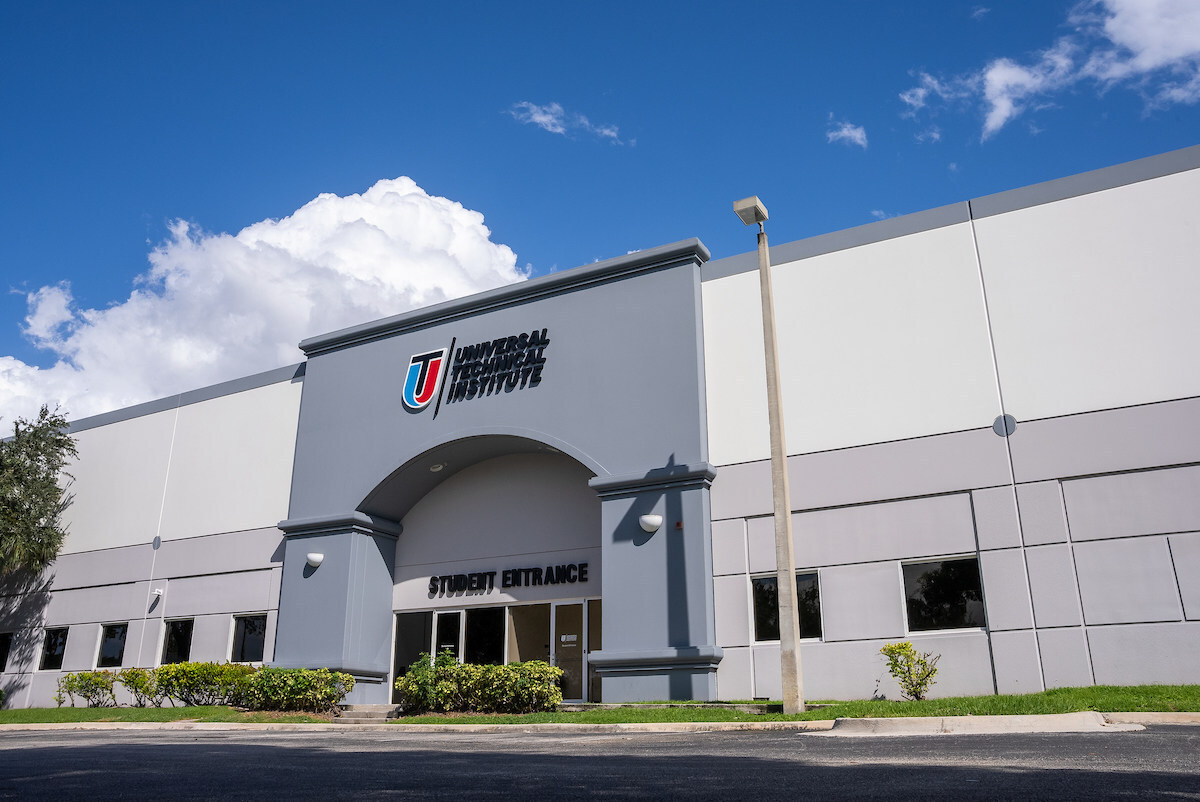
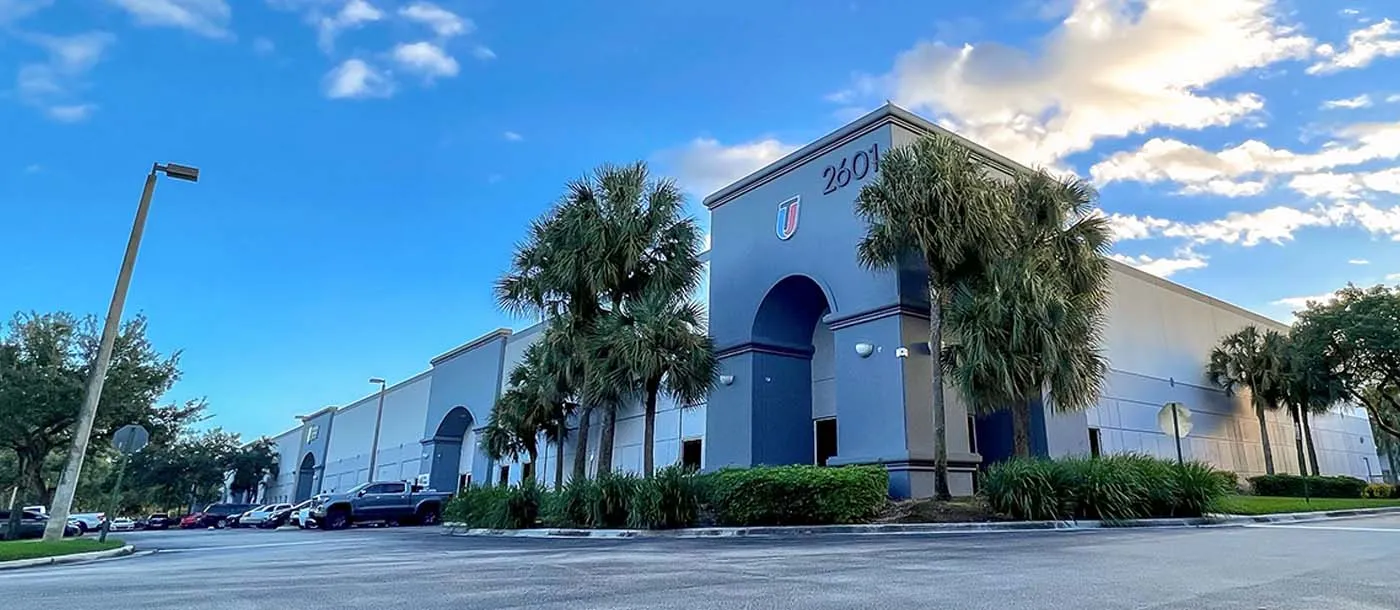
Universal Technical Institute-South Florida Miramar is a private, for-profit trade school laser-focused on turning wrenches, not writing theses. Opened in 2022, this campus is a purpose-built machine for training automotive, diesel, and welding technicians, where the curriculum is grease, the classrooms are labs, and the goal is a job offer, not a transfer. It represents a direct, vocational alternative to the traditional college path, with an admissions policy that's open to nearly all comers but comes with a significant price tag that most students offset with loans.
More details
- Undergrad enrollment
- 791
- Graduation Rate
- 70%
- Institution Type
- Private, For-Profit, 2-Year
- Average Loan Amount
- $8,946
- Typical Student Body
- 791 students
- Student-Faculty Ratio
- 31:1
- Median Earnings (10yr)
- $52,873
- Percent Receiving Loans
- 79%
- Average Grant/Scholarship
- $5,992
- Percent Receiving Grant Aid
- 83%
Outcomes & value
Outcomes & value
- Median earnings (10 yr)
- $52,873
- Value (earnings ÷ net price)
- 1.8×
- Median debt at graduation
- $13,124
- Reducing loan balance (3 yr)
- 48%
- Pell (lower-income) share
- 67%
- First-gen share (among federal-aid recipients)
- 55%
Earnings = median of students working ~10 years after entry; debt = median of graduates. Value divides 10-yr earnings by one year’s net price — read it as earnings per dollar of annual cost, not a full lifetime ROI; it favors lower-cost schools. Source: U.S. Dept. of Education College Scorecard. Figures lag ~2 years and reflect all students, not your intended major.
Campus & location
Campus safety
- On-campus violent crimes (2024)
- 0
On-campus criminal offenses classed as violent (murder/non-negligent manslaughter, rape, robbery, aggravated assault) for the most recent reported year. Source: U.S. Dept. of Education Campus Safety and Security (Clery Act). Counts reflect what’s reported to the school, and urban campuses often report more partly due to non-student incidents nearby — read alongside campus size and setting, not as a standalone safety verdict.
Climate
- Pleasant days / yr
- 100
- Summer high
- 88°F
- Winter low
- 64°F
- Annual rain
- 55.3"
- Natural-hazard risk
- Relatively High
Pleasant days counts days per year with a mean temperature of 55–75°F, a high at or below 90°F, a low at or above 45°F, and little precipitation — a transparent comfort measure, not a weighting we invented. Computed from Open-Meteo ERA5 daily history (2019–2023). Natural-hazard risk is the county’s composite rating from the FEMA National Risk Index.
Quick answers
- How much does Universal Technical Institute-South Florida Miramar cost?
- At Universal Technical Institute-South Florida Miramar, the average net price (after aid) is about $28,759 per year. Actual cost varies with financial aid and residency.
- How many undergraduates attend Universal Technical Institute-South Florida Miramar?
- Universal Technical Institute-South Florida Miramar enrolls approximately 791 undergraduate students.
- Where is Universal Technical Institute-South Florida Miramar located?
- Universal Technical Institute-South Florida Miramar is located in Miramar, FL.
Admissions
Getting in here is about showing up, not standing out. UTI-Miramar practices what is effectively an open admissions policy, with one source stating its is 100%. There is no mention of standardized test scores (SAT/ACT) being required or considered, and the process is devoid of the , demonstrated interest, or early decision rituals that define selective colleges. The school is a private, for-profit, 2-year institution, and its admissions office appears geared toward facilitating enrollment for those seeking hands-on career training. The primary barrier to entry isn't academic selectivity, but rather the commitment to a focused, intensive program and navigating the associated costs.
Academics
Forget lecture halls; think bays, lifts, and welding booths. Academics at UTI-Miramar are synonymous with industry-specific technical training. The curriculum is built around three core program areas: automotive, diesel, and collision repair (welding). Instruction is intensely hands-on, designed to "prepare graduates for careers in industries using the provided training, primarily as automotive, diesel, collision..." technicians. The school has made a "significant investment in late-model vehicles, equipment, training aids, and modern facilities" to simulate real-world shop environments. This is a training ground where the measure of success is technical competency, not a GPA. Students are guided to assess their strengths and align them with specific career paths within the trades.
Compare Universal Technical Institute-South Florida Miramar
vs Lubbock Christian Universityvs East Texas Baptist Universityvs Meredith Collegevs Averett University
See colleges similar to Universal Technical Institute-South Florida Miramar →Sources
- Universal Technical Institute-South Florida Miramar
- Common Data Set 2018-2019 – UF Main Campus 1 | Page
- Universal Technical Institute-South Florida Miramar
- Common Data Set: Home
- Decoding the Common Data Set What You Need to Know for ...
- How To Use a Common Data Set
- Universal Technical Institute-South Florida Miramar
- Universal Technical Institute - Miramar
- Universal Technical Institute-South Florida Miramar - My Future
- Trade & Vocational School in Miramar, FL
- Universal Technical Institute-Orlando Statistics