Loading…
← All schools
Universal Technical Institute-Southern California
Long Beach, CAprivate forprofituti.edu
Avg net price
$27,506
Earnings (10 yr)
$52,873
Acceptance & SAT from Common Data Set / IPEDS; net price, earnings & graduation from the U.S. Dept. of Education College Scorecard. Figures lag ~1–2 years — verify with the school.
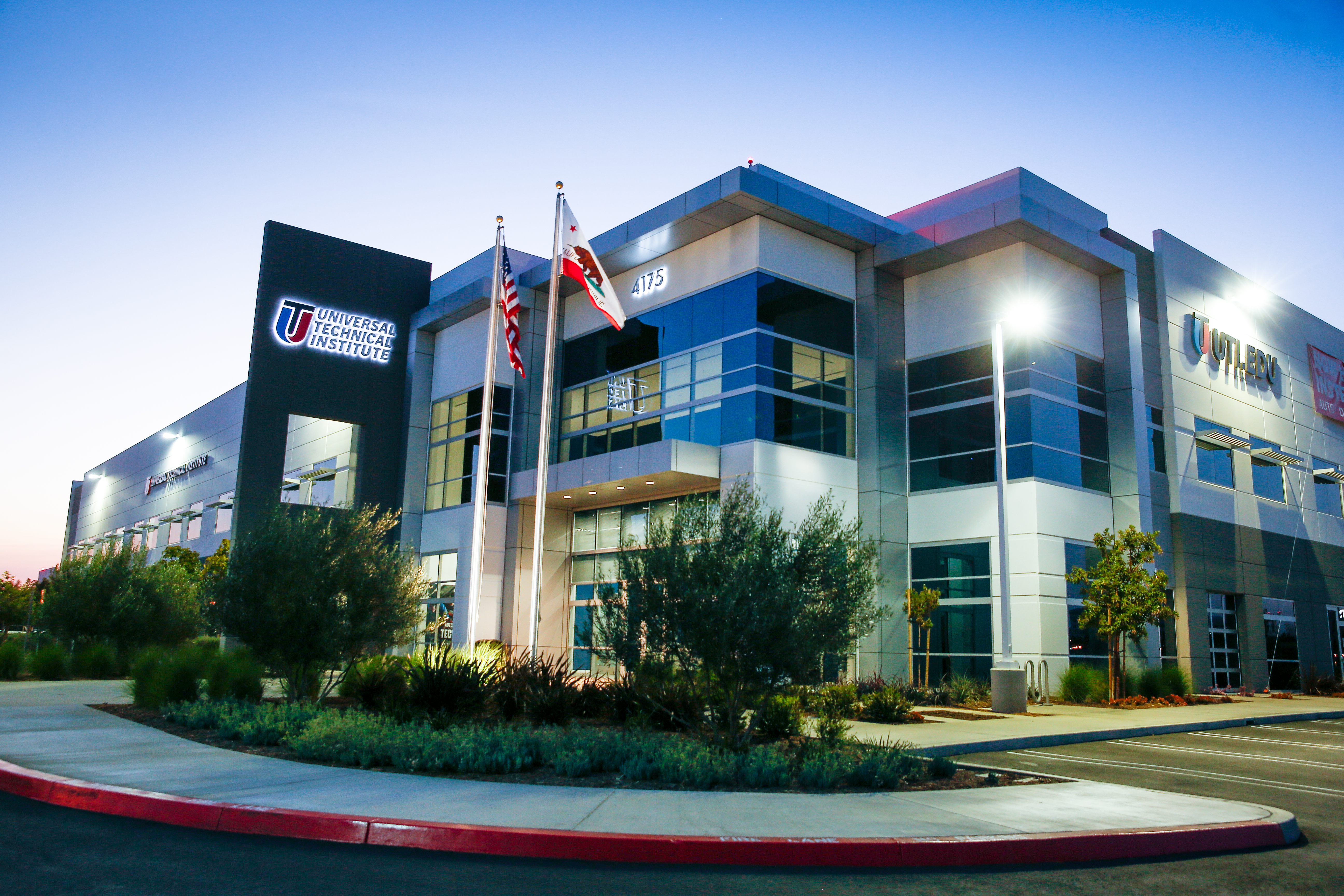
Universal Technical Institute-Southern California is a singular, no-frills trade school in Long Beach where the admissions policy is 'open' and the curriculum is pure, unadulterated hands-on training for the transportation industry. Forget dorms and football teams; this is a place where students spend their days in labs designed to mirror real-world shops, aiming directly for careers as automotive, diesel, collision repair, and motorcycle technicians. It's a fast-track, high-cost vocational education with a student body that has grown 79% in five years, where success is measured not by selectivity but by on-time graduation and job placement.
More details
- Undergrad enrollment
- 1,701
- Financial Aid
- 83% receive grants/scholarships
- Popular Majors
- Mechanical Technologies, Precision Production
- Student-Faculty Ratio
- 46:1
- Median Earnings (10yr)
- $52,873
- On-Time Graduation Rate
- 52%
- Federal Pell Grant Recipients
- 76% of students
Outcomes & value
Outcomes & value
- Median earnings (10 yr)
- $52,873
- Value (earnings ÷ net price)
- 1.9×
- Median debt at graduation
- $13,124
- Reducing loan balance (3 yr)
- 48%
- Pell (lower-income) share
- 63%
- First-gen share (among federal-aid recipients)
- 55%
Earnings = median of students working ~10 years after entry; debt = median of graduates. Value divides 10-yr earnings by one year’s net price — read it as earnings per dollar of annual cost, not a full lifetime ROI; it favors lower-cost schools. Source: U.S. Dept. of Education College Scorecard. Figures lag ~2 years and reflect all students, not your intended major.
Campus & location
Campus safety
- On-campus violent crimes (2024)
- 0
On-campus criminal offenses classed as violent (murder/non-negligent manslaughter, rape, robbery, aggravated assault) for the most recent reported year. Source: U.S. Dept. of Education Campus Safety and Security (Clery Act). Counts reflect what’s reported to the school, and urban campuses often report more partly due to non-student incidents nearby — read alongside campus size and setting, not as a standalone safety verdict.
Climate
- Pleasant days / yr
- 262
- Summer high
- 82°F
- Winter low
- 47°F
- Annual rain
- 13.1"
- Natural-hazard risk
- Very High
Pleasant days counts days per year with a mean temperature of 55–75°F, a high at or below 90°F, a low at or above 45°F, and little precipitation — a transparent comfort measure, not a weighting we invented. Computed from Open-Meteo ERA5 daily history (2019–2023). Natural-hazard risk is the county’s composite rating from the FEMA National Risk Index.
Quick answers
- How much does Universal Technical Institute-Southern California cost?
- At Universal Technical Institute-Southern California, the average net price (after aid) is about $27,506 per year. Actual cost varies with financial aid and residency.
- How many undergraduates attend Universal Technical Institute-Southern California?
- Universal Technical Institute-Southern California enrolls approximately 1,701 undergraduate students.
- Where is Universal Technical Institute-Southern California located?
- Universal Technical Institute-Southern California is located in Long Beach, CA.
Admissions
UTI-Southern California operates on an open admission policy, which translates to an of virtually 100%. There are no reported SAT or ACT score requirements, and the process is designed for accessibility rather than selectivity. The school's conditional admission status means all accepted students remain so until they fulfill initial requirements, such as a financial aid interview. This approach has fueled significant growth, with the student population expanding by 79% over a recent five-year period. The institution does not utilize early decision or early action programs; admissions are rolling and focused on readiness for technical training.
Academics
The academic mission is laser-focused and practical. UTI awards Associate's Degrees and Undergraduate Certificates or Diplomas, with instruction almost exclusively in and . The school's programs are designed to prepare graduates for careers as . Training occurs in hands-on labs built to mirror real workplaces, emphasizing the direct application of skills. The student-to-faculty ratio is notably high, reported at 46:1 in one source, which reflects a training model centered on lab instruction rather than small seminars. Discussions among prospective students on forums like Reddit often center on the school's reputation within the diesel tech industry, highlighting its role as a dedicated gateway to skilled trades.
Compare Universal Technical Institute-Southern California
vs Vanguard University of Southern Californiavs Concordia University-Irvinevs Biola Universityvs Willamette University
See colleges similar to Universal Technical Institute-Southern California →Sources
- Common Data Set - Office of Institutional Research
- Common Data Set: Home
- The Common Data Set: What It Is & How to Use It In College ...
- Decoding the Common Data Set What You Need to Know for Your ...
- Common Data Set - Institutional Research, Assessment, and Analytics
- Common Data Set - Financial Services - Caltech
- Universal Technical Institute-Southern California - College Decoded
- Universal Technical Institute-Southern California
- Universal Technical Institute SAT Requirements, ACT, and GPA
- Universal Technical Institute-Southern California in Long Beach, CA