Loading…
← All schools
Universidad Adventista de las Antillas
Mayaguez, PRprivate nonprofituaa.edu
Acceptance
100%
Avg net price
$9,919
Earnings (10 yr)
$28,465
Graduation rate
36%
Admit rate has ranged 83%–100% over the last 5 years — notably volatile. Source: IPEDS via Urban Institute.
Acceptance & SAT from Common Data Set / IPEDS; net price, earnings & graduation from the U.S. Dept. of Education College Scorecard. Figures lag ~1–2 years — verify with the school.
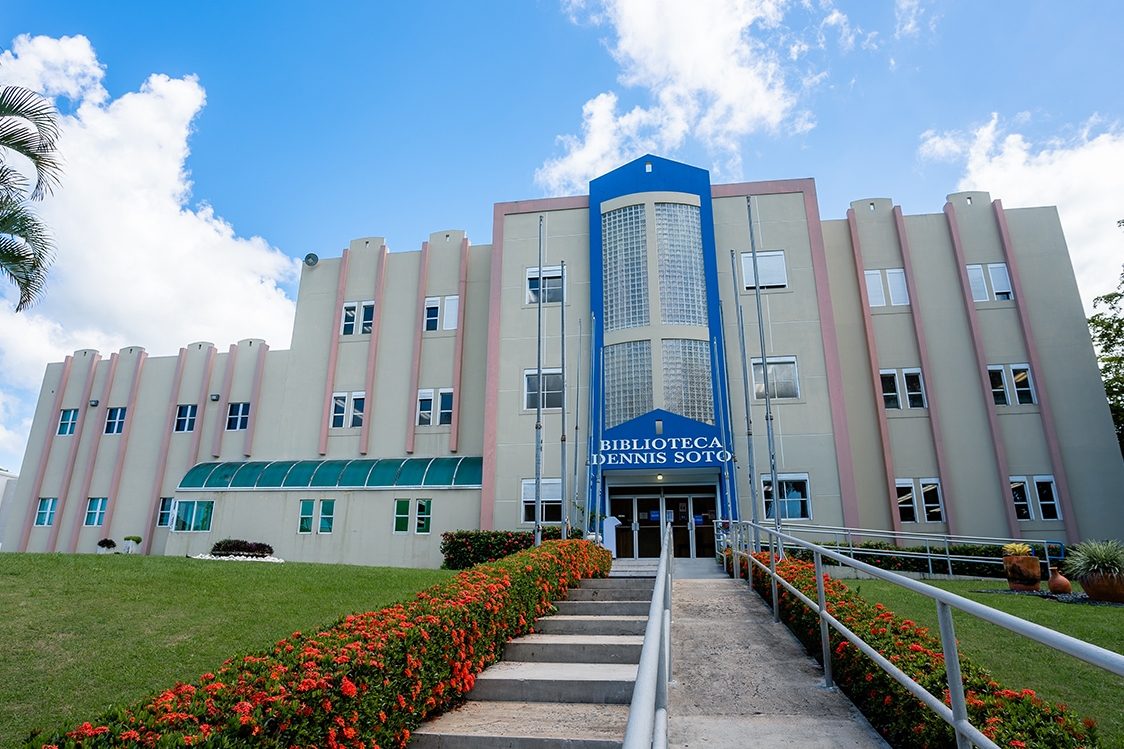
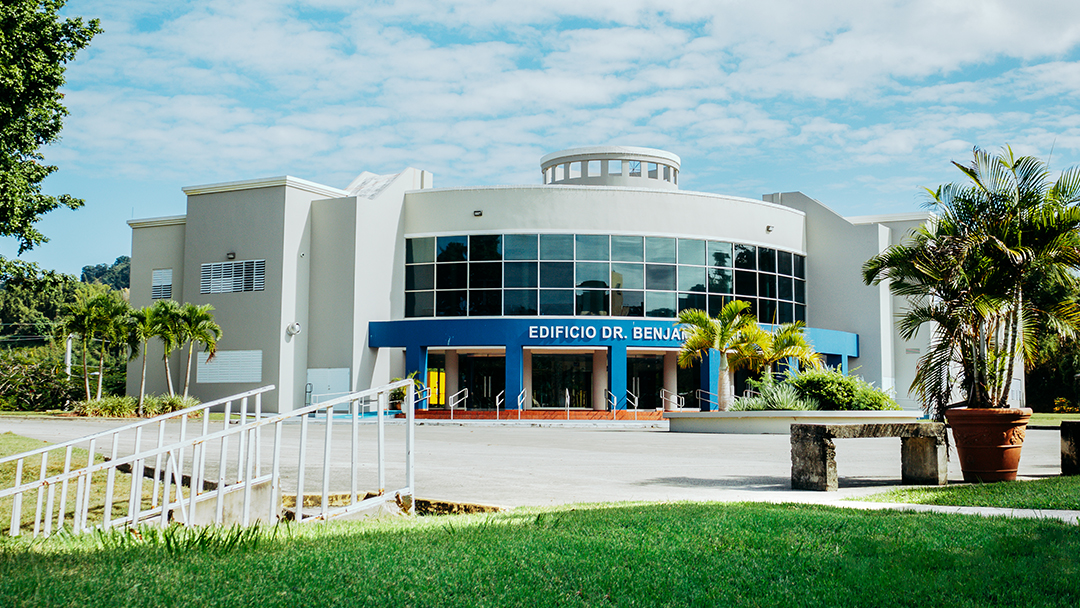
Universidad Adventista de las Antillas is a small, open-admission Seventh-day Adventist institution on a sprawling 284-acre campus in Mayagüez, Puerto Rico. It operates with a distinct religious mission, offering a practical, career-focused education where nursing dominates the academic landscape and nearly every applicant is admitted. The experience is defined by its affordability, its supportive but stretched 18:1 student-faculty ratio, and a graduation timeline that often extends beyond four years.
Admission requirements
Test-blind — scores not considered
Required
- High school transcript
- Grade point average
Considered (not required)
- Letters of recommendation
- TOEFL (non-native English)
Source: IPEDS Admissions survey (2022) via Urban Institute. Covers formal factors only — it does not reflect essays, extracurriculars, or other holistic criteria.
More details
- Undergrad enrollment
- 830
- In-state tuition
- $8,350
- Out-of-state tuition
- $8,350
- Campus Size
- 284 acres
- Application Fee
- $20
- Graduation Rate
- 36%
- Most Popular Major
- Registered Nursing
- First-Year Retention
- 78%
- Student-Faculty Ratio
- 18:1
- Median Earnings (10yr)
- $28,465
Outcomes & value
Outcomes & value
- Median earnings (10 yr)
- $28,465
- Value (earnings ÷ net price)
- 2.9×
- Median debt at graduation
- $15,750
- Graduation rate
- 36%
- First-year retention
- 80%
- Reducing loan balance (3 yr)
- 44%
- Pell (lower-income) share
- 79%
- First-gen share (among federal-aid recipients)
- 38%
Top-earning majors
Median earnings by field of study (highest credential), ~2 years after completion.
- Theological and Ministerial Studies$23,649
- Registered Nursing, Nursing Administration, Nursing Research and Clinical Nursing$17,446
Source: U.S. Dept. of Education College Scorecard (field-of-study earnings). Figures cover graduates who received federal aid and lag ~2 years; not all programs report data.
Compare on earnings: best colleges for Nursing
Campus & location
Campus safety
- On-campus violent crimes (2024)
- 0
- Per 1,000 students
- 0.00
On-campus criminal offenses classed as violent (murder/non-negligent manslaughter, rape, robbery, aggravated assault) for the most recent reported year. Source: U.S. Dept. of Education Campus Safety and Security (Clery Act). Counts reflect what’s reported to the school, and urban campuses often report more partly due to non-student incidents nearby — read alongside campus size and setting, not as a standalone safety verdict.
Climate
- Pleasant days / yr
- 55
- Summer high
- 88°F
- Winter low
- 68°F
- Annual rain
- 51.7"
Pleasant days counts days per year with a mean temperature of 55–75°F, a high at or below 90°F, a low at or above 45°F, and little precipitation — a transparent comfort measure, not a weighting we invented. Computed from Open-Meteo ERA5 daily history (2019–2023).
Quick answers
- What is the acceptance rate at Universidad Adventista de las Antillas?
- Universidad Adventista de las Antillas's acceptance rate is approximately 100% (Mayaguez, PR), based on the most recent figures we compiled from public and primary sources.
- How much does Universidad Adventista de las Antillas cost?
- At Universidad Adventista de las Antillas, the average net price (after aid) is about $9,919 per year. Actual cost varies with financial aid and residency.
- How many undergraduates attend Universidad Adventista de las Antillas?
- Universidad Adventista de las Antillas enrolls approximately 830 undergraduate students.
- Where is Universidad Adventista de las Antillas located?
- Universidad Adventista de las Antillas is located in Mayaguez, PR.
Admissions
This is an open-admission institution. The is 100%, meaning virtually every applicant who meets the basic requirements is admitted. There is no mention of an Early Decision program or a policy regarding demonstrated interest in the provided sources, and standardized test scores (SAT/ACT) are not required for admission. The process is designed to be accessible, with a modest $20 application fee. The undergraduate student body is relatively small, with 781 students enrolled as of fall 2023.
Academics
Academics are heavily oriented toward health sciences and service-oriented fields, reflecting the institution's Adventist mission. The most popular major by a significant margin is Registered Nursing, which accounted for 86 of the first majors awarded in a recent cycle. Other notable programs include Psychology, Biology, and Theology. The university offers degrees up to the master's level. The student-faculty ratio is 18:1, which suggests classes are moderately sized but not exceptionally intimate. A key indicator of student satisfaction, the first-year retention rate, is 78%.
Compare Universidad Adventista de las Antillas
vs Livingstone Collegevs Inter American University of Puerto Rico-Metrovs EDP University of Puerto Rico Inc-San Juanvs Faulkner University
See colleges similar to Universidad Adventista de las Antillas →Sources
- Common Data Set: Home
- Decoding the Common Data Set What You Need to Know for Your ...
- Common Data Set - GradGPT
- The Common Data Set: What It Is & How to Use It In College ...
- Researching Colleges With the Common Data Set
- [PDF] Common Data Set 2024-2025 - [email protected]
- Universidad Adventista de las Antillas Requirements for Admission
- Universidad Adventista de las Antillas Admissions - BigFuture
- Universidad Adventista de las Antillas Admissions
- Universidad Adventista de las Antillas - Tuition and Acceptance Rate