Loading…
← All schools
University of Alaska Southeast
Juneau, AKpublicwww.uas.alaska.edu/
Acceptance
63%
Avg net price
$12,357
Earnings (10 yr)
$48,475
Graduation rate
28%
Admit rate has ranged 56%–64% over the last 5 years. Source: IPEDS via Urban Institute.
Acceptance & SAT from Common Data Set / IPEDS; net price, earnings & graduation from the U.S. Dept. of Education College Scorecard. Figures lag ~1–2 years — verify with the school.
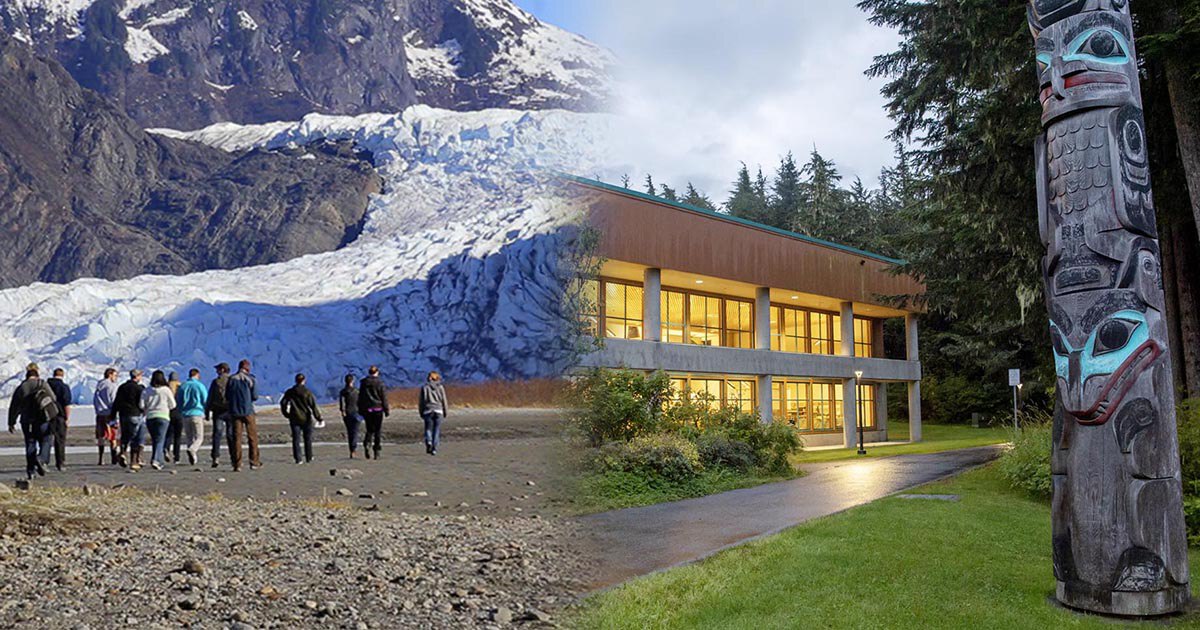
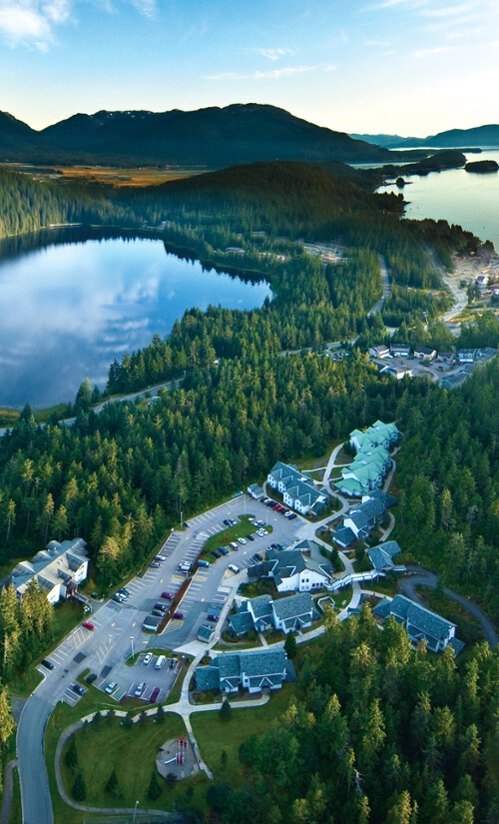
The University of Alaska Southeast is a small, public university that treats the wilds of the Inside Passage as its primary classroom. Anchored in Juneau, UAS is less a traditional campus and more a launchpad for students drawn to marine biology, outdoor leadership, and the unique professional demands of life in the 49th state. It's a place where the academic catalog reads like an adventure guide, and success is measured as much by resilience and practical skill as by a diploma.
Admission requirements
Test-blind — scores not considered
Required
- High school transcript
- Grade point average
- TOEFL (non-native English)
Considered (not required)
- College-prep program
- Demonstrated competencies
Source: IPEDS Admissions survey (2022) via Urban Institute. Covers formal factors only — it does not reflect essays, extracurriculars, or other holistic criteria.
More details
- Undergrad enrollment
- 907
- In-state tuition
- $7,056
- Out-of-state tuition
- $20,640
- Setting
- Juneau, Alaska (Inside Passage)
- Campus Housing
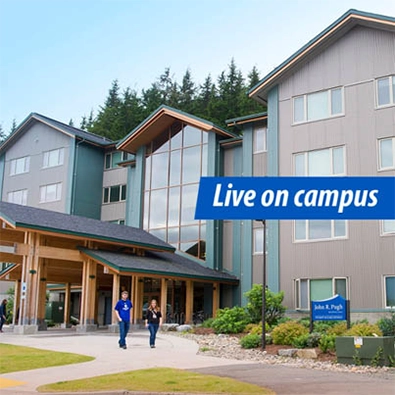
- 21% of students
- Popular Majors
- Business, Education, Biological Sciences
- Graduation Rate
- 28%
- First-Year Retention
- 76%
- Median Earnings (10yr)
- $48,475
Outcomes & value
Outcomes & value
- Median earnings (10 yr)
- $48,475
- Value (earnings ÷ net price)
- 3.9×
- Median debt at graduation
- $19,111
- Graduation rate
- 28%
- First-year retention
- 76%
- Reducing loan balance (3 yr)
- 58%
- Pell (lower-income) share
- 14%
- First-gen share (among federal-aid recipients)
- 40%
Top-earning majors
Median earnings by field of study (highest credential), ~2 years after completion.
- Business Administration, Management and Operations$55,383
- Teacher Education and Professional Development, Specific Levels and Methods$42,682
- Multi/Interdisciplinary Studies, Other$37,208
Source: U.S. Dept. of Education College Scorecard (field-of-study earnings). Figures cover graduates who received federal aid and lag ~2 years; not all programs report data.
Compare on earnings: best colleges for Business
Campus & location
Campus safety
- On-campus violent crimes (2024)
- 0
- Per 1,000 students
- 0.00
On-campus criminal offenses classed as violent (murder/non-negligent manslaughter, rape, robbery, aggravated assault) for the most recent reported year. Source: U.S. Dept. of Education Campus Safety and Security (Clery Act). Counts reflect what’s reported to the school, and urban campuses often report more partly due to non-student incidents nearby — read alongside campus size and setting, not as a standalone safety verdict.
Climate
- Pleasant days / yr
- 45
- Summer high
- 64°F
- Winter low
- 26°F
- Annual rain
- 136.1"
- Annual snow
- 322.3"
- Natural-hazard risk
- Very Low
Pleasant days counts days per year with a mean temperature of 55–75°F, a high at or below 90°F, a low at or above 45°F, and little precipitation — a transparent comfort measure, not a weighting we invented. Computed from Open-Meteo ERA5 daily history (2019–2023). Natural-hazard risk is the county’s composite rating from the FEMA National Risk Index.
Deep dive — research, future-scholar output & economic mobility
Research output
- Institutional h-index
- 123
- Scholarly works
- 2,169
Institutional research volume and impact from OpenAlex. The h-index reflects large research universities and will be low for teaching-focused liberal-arts colleges — not a measure of undergraduate quality.
Quick answers
- What is the acceptance rate at University of Alaska Southeast?
- University of Alaska Southeast's acceptance rate is approximately 63% (Juneau, AK), based on the most recent figures we compiled from public and primary sources.
- How much does University of Alaska Southeast cost?
- At University of Alaska Southeast, the average net price (after aid) is about $12,357 per year. Actual cost varies with financial aid and residency.
- How many undergraduates attend University of Alaska Southeast?
- University of Alaska Southeast enrolls approximately 907 undergraduate students.
- Where is University of Alaska Southeast located?
- University of Alaska Southeast is located in Juneau, AK.
Admissions
Admissions at UAS are accessible, with an of 63%. The process is straightforward and , meaning SAT or ACT scores are not required for admission. For the most recent data, 346 students applied and 219 were admitted. Of those accepted, a significant portion—41%—ended up enrolling, resulting in a relatively high rate. The university emphasizes a student-centered approach, encouraging prospective students to contact the admissions office directly for inquiries and assistance. While specific details on the importance of factors like demonstrated interest are not explicitly outlined in the provided sources for UAS, the admissions team is presented as a supportive resource for navigating the application process.
Compare University of Alaska Southeast
vs Oregon State University-Cascades Campusvs Texas A&M University-Texarkanavs University of Hawaii at Hilovs Northwestern Oklahoma State University
See colleges similar to University of Alaska Southeast →Sources
- External Reporting - University of Alaska Southeast
- Common Data Set - University of Alaska Anchorage
- Common Data Set: Home
- Common Data Set | Planning, Analysis and Institutional Research
- UAS Overview - University of Alaska Southeast
- [PDF] Common Data Set 202
- University of Alaska Southeast SAT Scores and GPA - PrepScholar
- University of Alaska--Southeast Admissions - US News Best Colleges
- University of Alaska Southeast - Niche
- Undergraduate Admission | Catalog | University of Alaska Southeast