Admit rate has ranged 44%–69% over the last 5 years — notably volatile, though the latest figure above (41%) falls outside that window. Source: IPEDS via Urban Institute.
Acceptance & SAT from Common Data Set / IPEDS; net price, earnings & graduation from the U.S. Dept. of Education College Scorecard. Figures lag ~1–2 years — verify with the school.
The University of Arkansas at Pine Bluff delivers a classic, community-focused HBCU experience with a 41% acceptance rate and a mission to provide accessible, high-impact education. Its strength lies in hands-on programs like nursing and industrial technology, preparing graduates for careers where the median earnings ten years out are $35,550. While the graduation rate is 40%, students find a supportive, tight-knit campus where the average net price is a manageable $12,653.
Admission requirements
Test scores required
Required
High school transcript
Grade point average
Test scores (SAT/ACT)
TOEFL (non-native English)
Source: IPEDS Admissions survey (2022) via Urban Institute. Covers formal factors only — it does not reflect essays, extracurriculars, or other holistic criteria.
More details
Undergrad enrollment
1,807
In-state tuition
$9,412
Out-of-state tuition
$17,992
HBCU Status
Yes
Notable Majors
Nursing (6%), Music (5%), Social Work (5%), Industrial Tech (5%)
Law School Pathway
Auto-admission for 3.4 GPA + 154 LSAT
Early-Career Earnings
~$24,000
Average Financial Aid Package
$10,883–$12,219
Outcomes & value
Outcomes & value
Median earnings (10 yr)
$35,550
Value (earnings ÷ net price)
2.8×
Median debt at graduation
$24,202
Graduation rate
40%
First-year retention
64%
Reducing loan balance (3 yr)
37%
Pell (lower-income) share
70%
First-gen share (among federal-aid recipients)
37%
Top-earning majors
Median earnings by field of study (highest credential), ~2 years after completion.
Industrial Production Technologies/Technicians$44,468
Rehabilitation and Therapeutic Professions$30,771
Business Administration, Management and Operations$30,409
Criminal Justice and Corrections$29,141
Social Work$28,598
Accounting and Related Services
Campus & location
Campus safety
On-campus violent crimes (2024)
17
Per 1,000 students
8.52
On-campus criminal offenses classed as violent (murder/non-negligent manslaughter, rape, robbery, aggravated assault) for the most recent reported year. Source: U.S. Dept. of Education Campus Safety and Security (Clery Act). Counts reflect what’s reported to the school, and urban campuses often report more partly due to non-student incidents nearby — read alongside campus size and setting, not as a standalone safety verdict.
Climate
Pleasant days / yr
82
Summer high
91°F
Winter low
39°F
Annual rain
54"
Annual snow
3"
Natural-hazard risk
Relatively Moderate
Pleasant days counts days per year with a mean temperature of 55–75°F, a high at or below 90°F, a low at or above 45°F, and little precipitation — a transparent comfort measure, not a weighting we invented. Computed from Open-Meteo ERA5 daily history (2019–2023). Natural-hazard risk is the county’s composite rating from the FEMA National Risk Index.
Deep dive — research, future-scholar output & economic mobility▾
Research output
Institutional h-index
100
Scholarly works
1,648
Institutional research volume and impact from OpenAlex. The h-index reflects large research universities and will be low for teaching-focused liberal-arts colleges — not a measure of undergraduate quality.
Economic mobility
Mobility rate
2.8%
Bottom → top quintile
9%
From bottom quintile
32%
Mobility rate = the share of students who both start in the bottom household-income quintile and reach the top quintile; bottom → top is that chance conditional on starting at the bottom. Source: Opportunity Insights Mobility Report Cards (Chetty, Friedman, Saez, Turner & Yagan). Reflects 1980–82 birth cohorts, so it’s directional, not current.
Quick answers
What is the acceptance rate at University of Arkansas at Pine Bluff?
University of Arkansas at Pine Bluff's acceptance rate is approximately 41% (Pine Bluff, AR), based on the most recent figures we compiled from public and primary sources.
What SAT score do you need for University of Arkansas at Pine Bluff?
Admitted students at University of Arkansas at Pine Bluff typically score 845–1108 on the SAT (the middle-50% range). Scores outside this band are still admitted, especially with strong applications.
How much does University of Arkansas at Pine Bluff cost?
At University of Arkansas at Pine Bluff, the average net price (after aid) is about $12,653 per year. Actual cost varies with financial aid and residency.
How many undergraduates attend University of Arkansas at Pine Bluff?
University of Arkansas at Pine Bluff enrolls approximately 1,807 undergraduate students.
Where is University of Arkansas at Pine Bluff located?
University of Arkansas at Pine Bluff is located in Pine Bluff, AR.
Admissions
UAPB maintains a moderately selective admissions process, with ranging from 41% (per U.S. News) to 57.5% (per PrepScholar and College Board). Applicants must submit ACT or SAT scores (school code 001086), though specific score ranges aren't publicly emphasized. The Princeton Review notes an automatic admission pathway to UAPB's law school for students with a 3.4 GPA and 154 LSAT score, including a 25% tuition discount. The university's admissions focus appears holistic, prioritizing accessibility while maintaining academic standards.
Earnings = median of students working ~10 years after entry; debt = median of graduates. Value divides 10-yr earnings by one year’s net price — read it as earnings per dollar of annual cost, not a full lifetime ROI; it favors lower-cost schools. Source: U.S. Dept. of Education College Scorecard. Figures lag ~2 years and reflect all students, not your intended major.
$28,055
Teacher Education and Professional Development, Specific Subject Areas$27,204
Family and Consumer Sciences/Human Sciences, General$26,187
Source: U.S. Dept. of Education College Scorecard (field-of-study earnings). Figures cover graduates who received federal aid and lag ~2 years; not all programs report data.
UAPB offers over 50 degrees and certifications, with standout programs in Registered Nursing (6% of majors), Music (5%), Social Work (5%), and Industrial Technology (5%). The university emphasizes hands-on learning and faculty mentorship, with Niche reviewers praising the 'nurturing environment' created by dedicated professors. Degrees range from certificates to doctoral studies, with a particular strength in combining technical training with liberal arts foundations. The academic culture reflects its HBCU mission—rigorous but supportive, with an emphasis on practical skills and leadership development.
Life at UAPB revolves around its tight-knit HBCU community, described by Niche as having a 'strong sense of family.' The university fosters this through:
Culture & Belonging: Facebook posts highlight a campus where 'opportunity, culture, and excellence come together,' with particular outreach to students.
Support Systems: Extensive campus life resources aim to help students 'live their best life,' including academic support and community-building initiatives.
Traditions: While specific traditions aren't detailed in sources, the HBCU identity permeates events and daily interactions, creating what students call a 'vibrant' atmosphere.
Early-career graduates earn approximately $24,000 annually—$7,000 below the expected benchmark for similar institutions (per College Factual). U.S. News rankings incorporate a six-year graduation rate (exact percentage unspecified), suggesting outcomes vary significantly by program. The university emphasizes its 'rich history' of student success, though detailed post-grad data (e.g., employment rates by major) isn't publicly available. Retention and graduation metrics are tracked internally, indicating an institutional focus on improving longitudinal outcomes.
UAPB's in-state tuition and fees total $9,412 annually, rising to $17,992 for out-of-state students. The average financial aid package is $10,883–$12,219, significantly offsetting costs for many students. The Calculator helps families estimate actual costs after grants and scholarships. Aid packages are built around the (COA), which includes books, housing, and other expenses—a budgeting approach that underscores UAPB's commitment to affordability, especially for Arkansas residents.
1. HBCU Vibe: A familial, culturally affirming environment that prioritizes Black student success. 2. Practical Academics: Programs like Industrial Technology and Nursing blend classroom theory with real-world skills. 3. Accessibility: Moderate selectivity and robust aid make it a viable option for and low-income students. 4. Law School Pipeline: The automatic admission agreement for high-achieving undergraduates is rare among regional public universities.
It's a school that balances heritage with forward-looking professional training, all within a community that 'expects you to belong' (per Facebook posts).
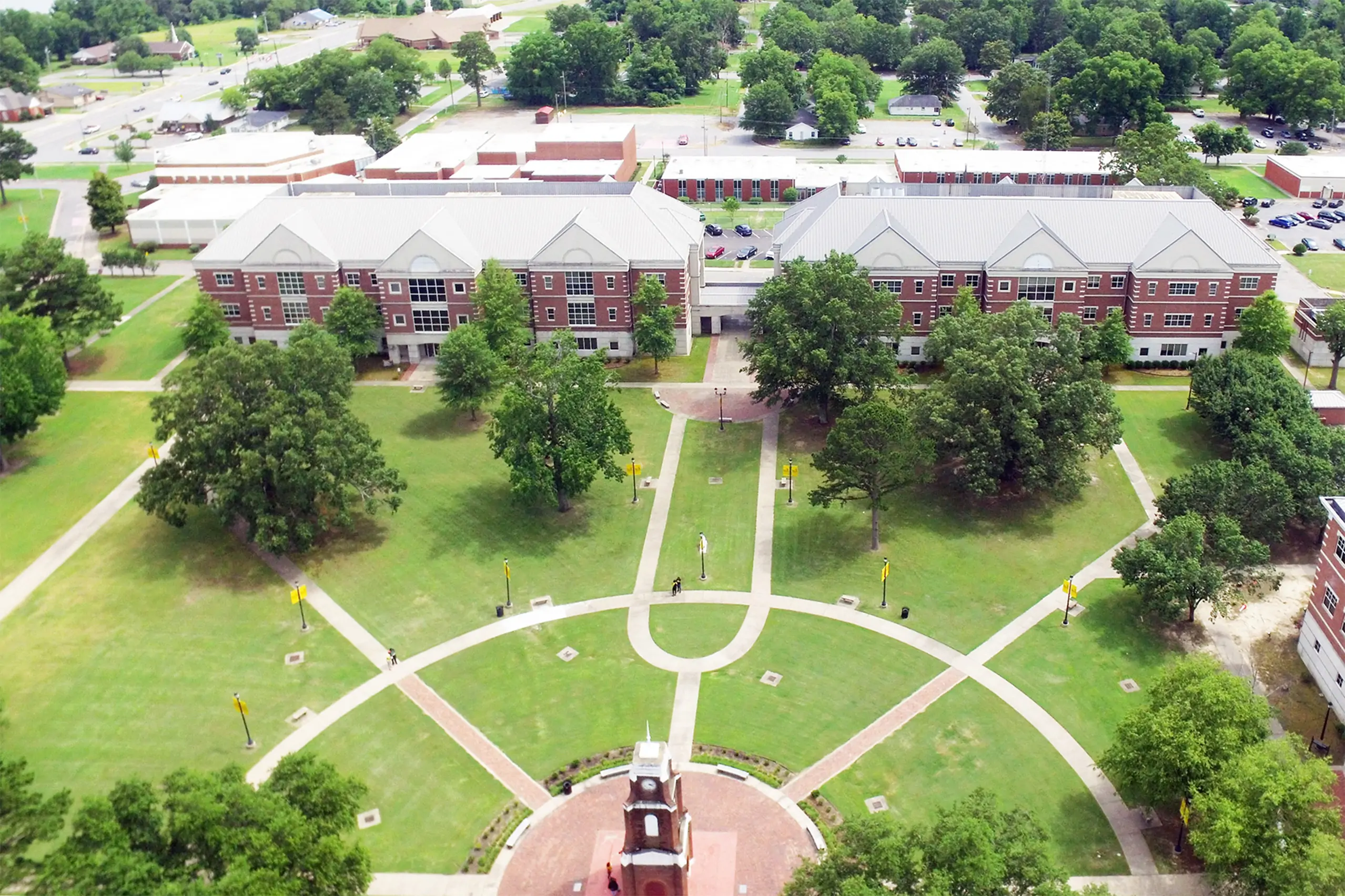
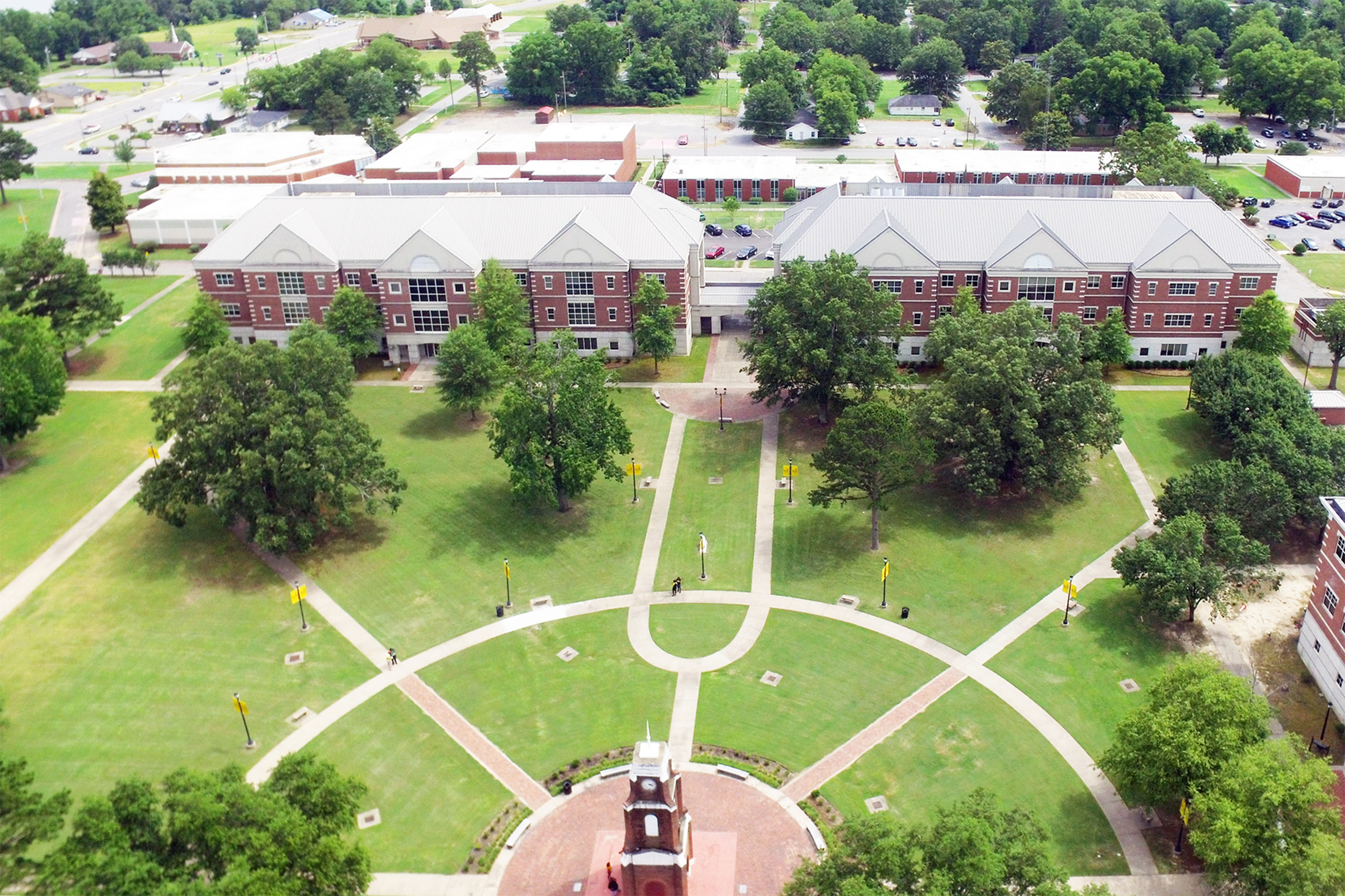
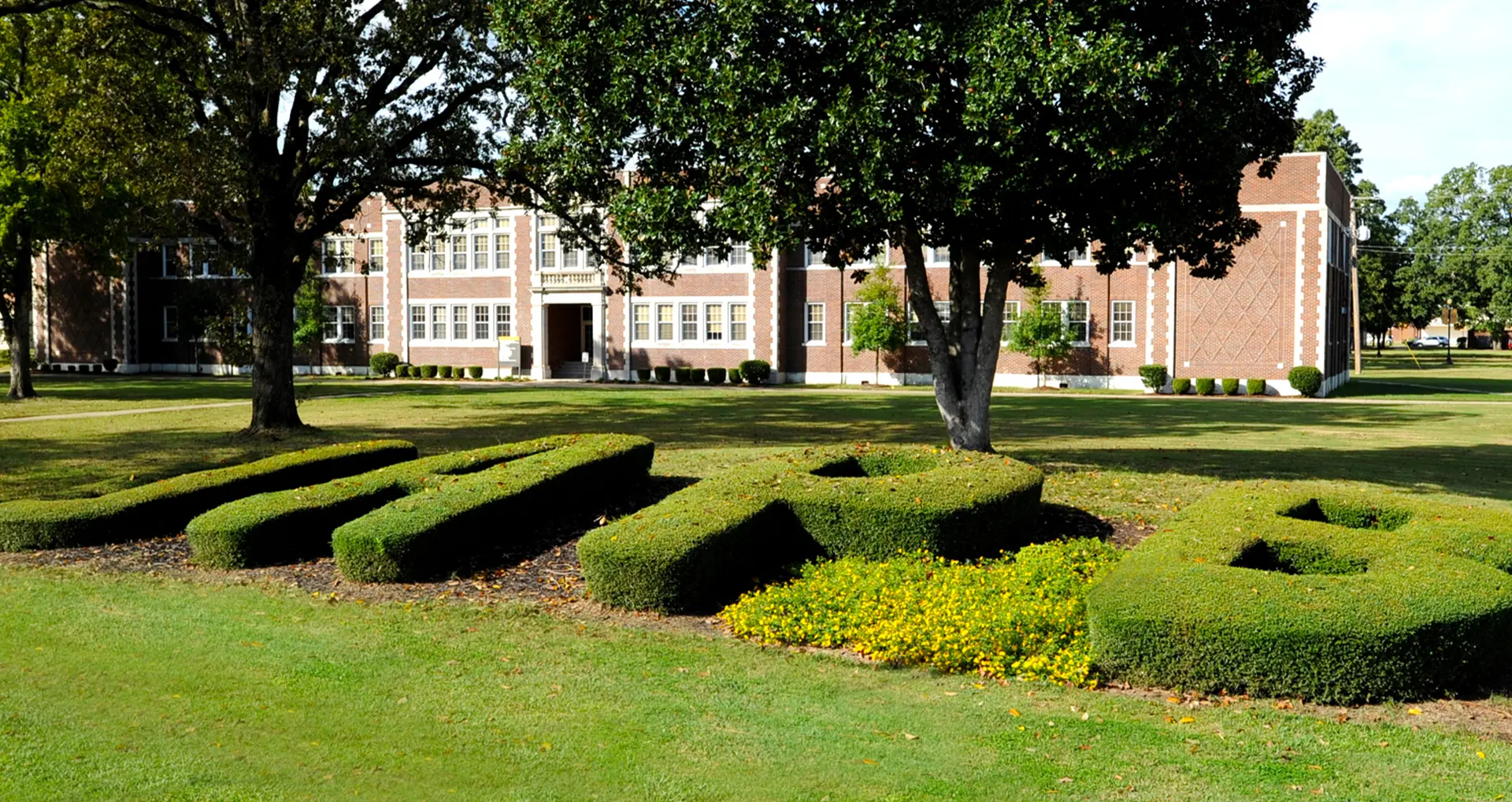
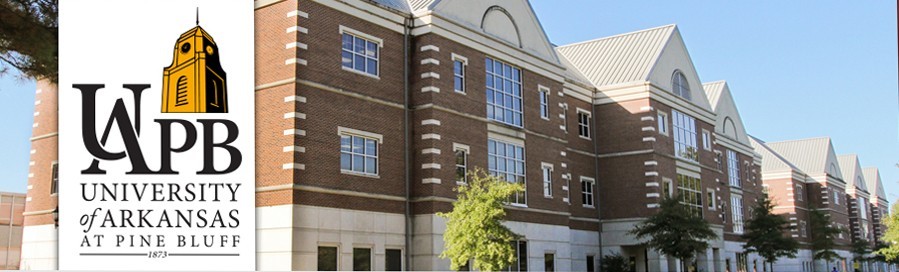
University of Arkansas at Pine Bluff logo · sourceUAPB At A Glance - University of Arkansas at Pine Bluff · sourceUAPB Main Campus - University of Arkansas at Pine Bluff · sourceUniversity of Arkansas at Pine Bluff - University of Arkansas System · source