Loading…
← All schools
University of Oklahoma-Health Sciences Center
Oklahoma City, OKpublicouhsc.edu/
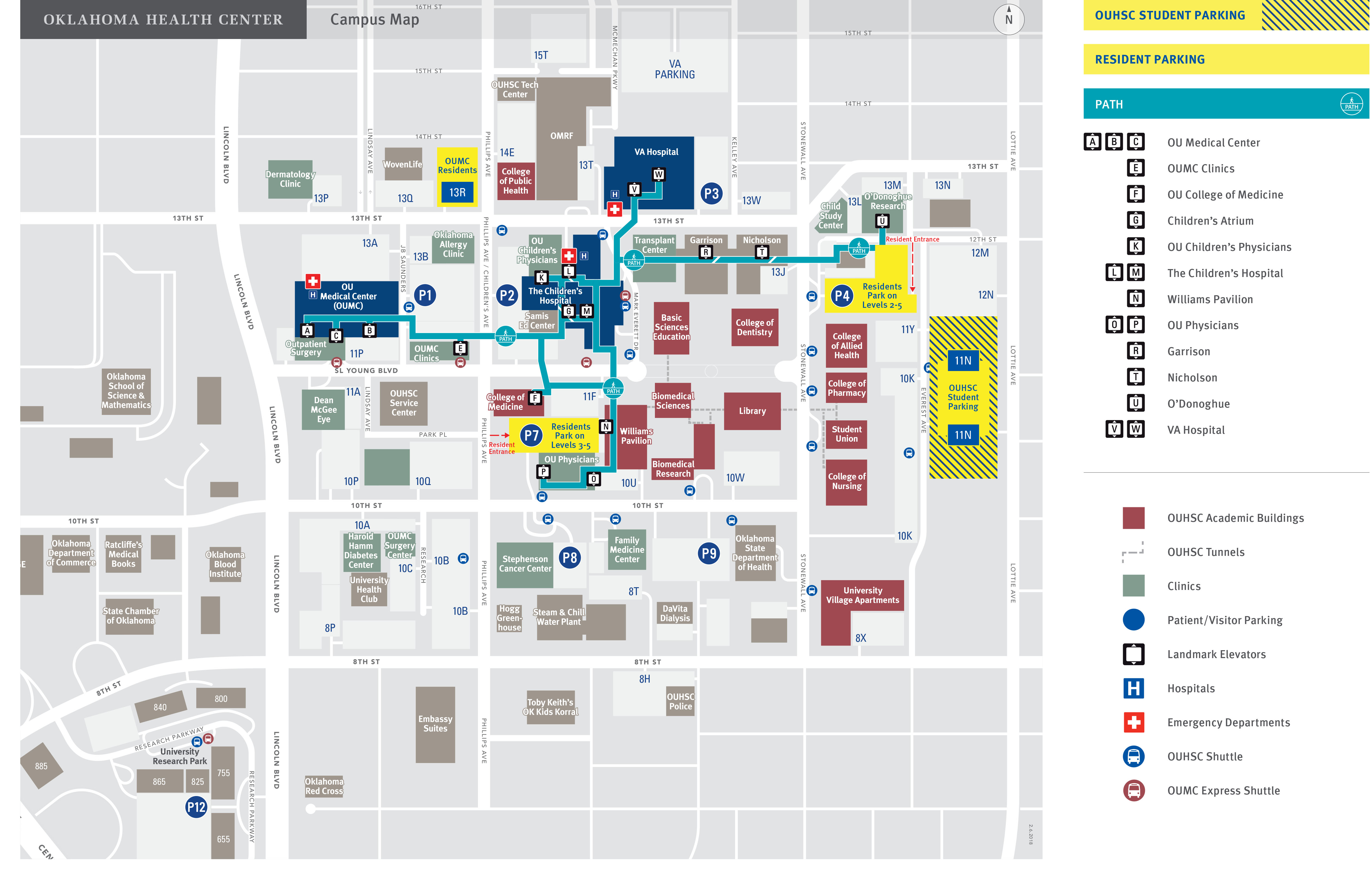
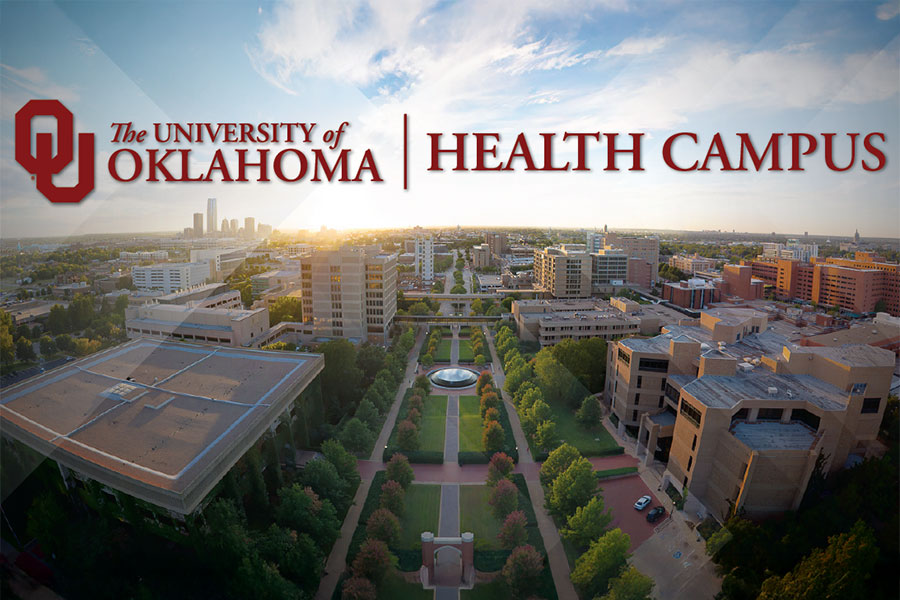
The University of Oklahoma Health Sciences Center (OUHSC) isn't a typical undergraduate campus; it's a powerhouse professional health sciences university embedded in the heart of Oklahoma City. As one of the nation's few comprehensive academic health centers, it consolidates seven professional colleges—from medicine and dentistry to pharmacy and allied health—into a single, intensely focused campus dedicated to training the state's healthcare workforce. The vibe is less about football Saturdays and more about clinical rotations, with an admissions landscape that ranges from broadly accessible undergraduate health sciences programs to fiercely competitive graduate and professional schools, most notably its medical school, which is ranked in the top 2% nationally.
More details
- Undergrad enrollment
- 1,214
- Location
- Oklahoma City, OK
- Academic Focus
- Health Sciences & Professional Programs
- Graduation Rate
- 93%
- Institution Type
- Public, Comprehensive Academic Health Center
- Student Life Vibe
- Professional, tight-knit, urban campus
- Professional Colleges
- 7 (Allied Health, Dentistry, Graduate Studies, Medicine, Nursing, Pharmacy, Public Health)
- Median Earnings (10yr)
- $63,126
- In-State Preference (Medicine)
- At least 75% of each class
Outcomes & value
Outcomes & value
- Median earnings (10 yr)
- $63,126
- Median debt at graduation
- $20,654
- Reducing loan balance (3 yr)
- 68%
- Pell (lower-income) share
- 29%
- First-gen share (among federal-aid recipients)
- 28%
- Endowment / student
- $202,127
Earnings = median of students working ~10 years after entry; debt = median of graduates. Value divides 10-yr earnings by one year’s net price — read it as earnings per dollar of annual cost, not a full lifetime ROI; it favors lower-cost schools. Source: U.S. Dept. of Education College Scorecard. Figures lag ~2 years and reflect all students, not your intended major.
Top-earning majors
Median earnings by field of study (highest credential), ~2 years after completion.
- Dental Support Services and Allied Professions$66,461
- Allied Health Diagnostic, Intervention, and Treatment Professions$61,218
- Registered Nursing, Nursing Administration, Nursing Research and Clinical Nursing$59,468
- Nutrition Sciences$44,649
Source: U.S. Dept. of Education College Scorecard (field-of-study earnings). Figures cover graduates who received federal aid and lag ~2 years; not all programs report data.
Compare on earnings: best colleges for Nursing
Campus & location
Campus safety
- On-campus violent crimes (2024)
- 3
- Per 1,000 students
- 0.82
On-campus criminal offenses classed as violent (murder/non-negligent manslaughter, rape, robbery, aggravated assault) for the most recent reported year. Source: U.S. Dept. of Education Campus Safety and Security (Clery Act). Counts reflect what’s reported to the school, and urban campuses often report more partly due to non-student incidents nearby — read alongside campus size and setting, not as a standalone safety verdict.
Climate
- Pleasant days / yr
- 82
- Summer high
- 91°F
- Winter low
- 33°F
- Annual rain
- 36.7"
- Annual snow
- 7.7"
- Natural-hazard risk
- Relatively High
Pleasant days counts days per year with a mean temperature of 55–75°F, a high at or below 90°F, a low at or above 45°F, and little precipitation — a transparent comfort measure, not a weighting we invented. Computed from Open-Meteo ERA5 daily history (2019–2023). Natural-hazard risk is the county’s composite rating from the FEMA National Risk Index.
Quick answers
- How many undergraduates attend University of Oklahoma-Health Sciences Center?
- University of Oklahoma-Health Sciences Center enrolls approximately 1,214 undergraduate students.
- Where is University of Oklahoma-Health Sciences Center located?
- University of Oklahoma-Health Sciences Center is located in Oklahoma City, OK.
Admissions
Admissions at OUHSC is a story of two tiers: broadly accessible undergraduate pathways and hyper-competitive graduate professional programs. For first-time freshmen, the process and requirements are handled through the broader University of Oklahoma system, with data suggesting a high for those who meet baseline requirements. One source indicates an acceptance rate of 97.1%, with admitted students having an average GPA of 3.63 and SAT scores ranging from 1140 to 1350 (ACT 23-29).
However, this paints a misleadingly simple picture. OUHSC's identity is defined by its graduate and professional programs, each with its own distinct and often stringent admissions funnel. The medical school, for instance, is a focal point of selectivity. For the Class of 2028, the program received 2,142 applications and admitted 188 students, representing an acceptance rate of approximately 8.8%. Other reports cite the medical school's overall acceptance rate around 6.9% to 11.2%. The school has a pronounced in-state preference, with a policy that at least 75% of each entering medical class must be Oklahoma residents.
Early admissions opportunities exist for certain programs, like the medical school's provisional acceptance track, which guarantees a spot for high-achieving undergraduates who maintain a specified GPA and MCAT score. For other health professions, selectivity varies dramatically by program. For example, the Audiology (AuD) program reported 35 applicants for 5 admits, while the Communication Sciences & Disorders (BS) program admitted 31 of 34 applicants.
The application process is decentralized, with requirements, materials, and fees varying significantly by program level (undergraduate, graduate, professional). All applicants must use the ApplyOUHSC portal.
Compare University of Oklahoma-Health Sciences Center
vs Florida Polytechnic Universityvs West Virginia University Institute of Technologyvs United States Coast Guard Academyvs Oregon State University-Cascades Campus
See colleges similar to University of Oklahoma-Health Sciences Center →Sources
- Other Reports
- Admissions and Records - ApplyOUHSC
- Common Data Set 2020-2021
- A. General Information
- Student Consumer Information - Student Affairs
- The University of Oklahoma Common Data Set 2025-2026
- University of Oklahoma-Health Sciences Center
- University of Oklahoma Health Campus - College
- University of Oklahoma-Health Sciences Center SAT Scores, ACT ...