Admit rate has ranged 48%–96% over the last 5 years — notably volatile. Source: IPEDS via Urban Institute.
Acceptance & SAT from Common Data Set / IPEDS; net price, earnings & graduation from the U.S. Dept. of Education College Scorecard. Figures lag ~1–2 years — verify with the school.
The University of Puerto Rico at Cayey offers a distinctly Puerto Rican public university experience, where a selective, mid-50s acceptance rate filters applicants into a suburban campus known as a cradle for the island's artists and intellectuals. Its academic identity is anchored by a strong, structured biology program and business administration, serving just over 2,200 undergraduates. While graduation rates and post-graduate earnings lag behind national averages, the university provides a crucial, relatively affordable gateway to higher education for Puerto Rican students, with a net price under $11,000 and a vibrant campus life infused with local culture.
Admission requirements
Test scores required
Required
High school transcript
Grade point average
Test scores (SAT/ACT)
Source: IPEDS Admissions survey (2022) via Urban Institute. Covers formal factors only — it does not reflect essays, extracurriculars, or other holistic criteria.
More details
Undergrad enrollment
2,069
In-state tuition
$5,354
Out-of-state tuition
$5,354
6-Year Graduation Rate
53%
Median Earnings (10yr)
$30,958
First-Year Retention Rate
76%
Average Financial Aid Award
$5,733–$6,091
Students Receiving Financial Aid
92%
Outcomes & value
Outcomes & value
Median earnings (10 yr)
$30,958
Value (earnings ÷ net price)
3.0×
Median debt at graduation
$5,000
Graduation rate
50%
First-year retention
76%
Reducing loan balance (3 yr)
70%
Pell (lower-income) share
76%
First-gen share (among federal-aid recipients)
19%
Top-earning majors
Median earnings by field of study (highest credential), ~2 years after completion.
Chemistry$26,896
Psychology, General$19,045
Teacher Education and Professional Development, Specific Subject Areas$16,169
Source: U.S. Dept. of Education College Scorecard (field-of-study earnings). Figures cover graduates who received federal aid and lag ~2 years; not all programs report data.
On-campus criminal offenses classed as violent (murder/non-negligent manslaughter, rape, robbery, aggravated assault) for the most recent reported year. Source: U.S. Dept. of Education Campus Safety and Security (Clery Act). Counts reflect what’s reported to the school, and urban campuses often report more partly due to non-student incidents nearby — read alongside campus size and setting, not as a standalone safety verdict.
Climate
Pleasant days / yr
179
Summer high
82°F
Winter low
65°F
Annual rain
44.5"
Pleasant days counts days per year with a mean temperature of 55–75°F, a high at or below 90°F, a low at or above 45°F, and little precipitation — a transparent comfort measure, not a weighting we invented. Computed from Open-Meteo ERA5 daily history (2019–2023).
Quick answers
What is the acceptance rate at University of Puerto Rico at Cayey?
University of Puerto Rico at Cayey's acceptance rate is approximately 53% (Cayey, PR), based on the most recent figures we compiled from public and primary sources.
What SAT score do you need for University of Puerto Rico at Cayey?
Admitted students at University of Puerto Rico at Cayey typically score 843–1073 on the SAT (the middle-50% range). Scores outside this band are still admitted, especially with strong applications.
How much does University of Puerto Rico at Cayey cost?
At University of Puerto Rico at Cayey, the average net price (after aid) is about $10,176 per year. Actual cost varies with financial aid and residency.
How many undergraduates attend University of Puerto Rico at Cayey?
University of Puerto Rico at Cayey enrolls approximately 2,069 undergraduate students.
Where is University of Puerto Rico at Cayey located?
University of Puerto Rico at Cayey is located in Cayey, PR.
Admissions
With an of 53%, UPR Cayey occupies a selective space within Puerto Rico's public university system, admitting just over half of its applicants. For the admitted class, the middle 50% SAT range is 843–1073. The university reports a high rate—the percentage of admitted students who enroll—of 76.74%, indicating that most students who are accepted choose to attend. The admissions process does not appear to offer an Early Decision option, and while sources discuss the as a tool for understanding factors like demonstrated interest, no specific data from UPR Cayey's own CDS regarding the consideration of status or demonstrated interest is provided in the snippets.
Earnings = median of students working ~10 years after entry; debt = median of graduates. Value divides 10-yr earnings by one year’s net price — read it as earnings per dollar of annual cost, not a full lifetime ROI; it favors lower-cost schools. Source: U.S. Dept. of Education College Scorecard. Figures lag ~2 years and reflect all students, not your intended major.
Academics
Academics at Cayey are defined by a few key, high-demand programs. Biology/Biological Sciences is noted as a "very structure[d] program" and is the most popular major, granting around 84 degrees annually. Business Administration, with concentrations in Management and Accounting, forms the other pillar of its academic offerings. The campus functions as a "university college," suggesting a focus on undergraduate education within the larger UPR system. With just over 2,200 undergraduates, the environment is likely more intimate than the flagship Rio Piedras campus.
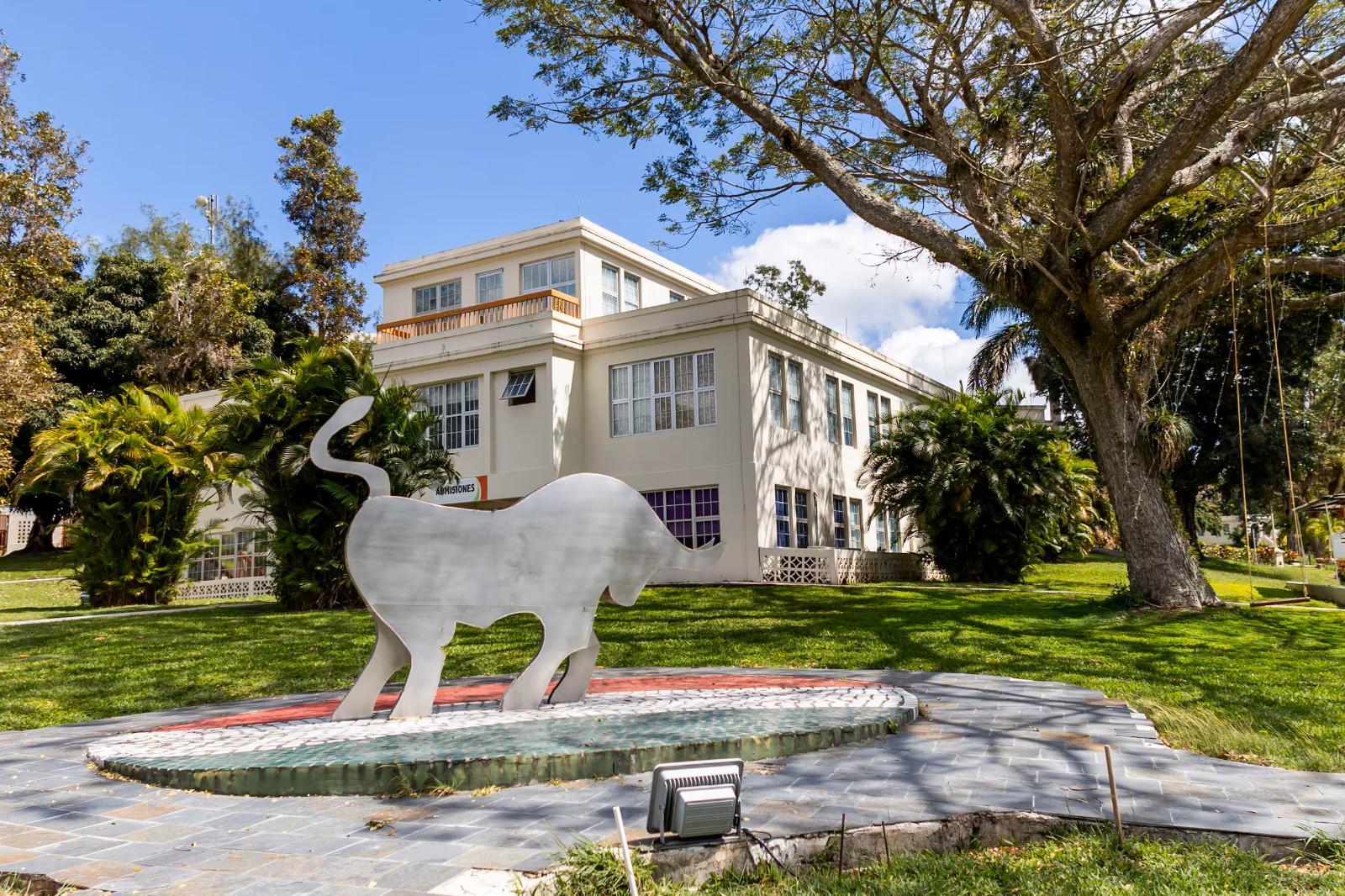
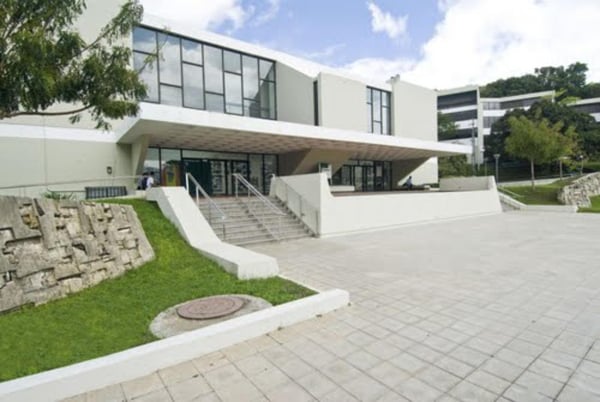
Life on the suburban Cayey campus is deeply intertwined with Puerto Rican culture. The campus itself has been described as a "cradle of Puerto Rican art and culture," nurturing generations of local painters and poets. With over 2,200 undergraduates, the student body is substantial, and while specific details on clubs are scarce, the broader UPR system is known for a "lively and diverse social scene" featuring numerous student organizations and cultural events. On-campus housing is available and even recommended for exchange students for security and convenience, though it's not clear if it's guaranteed for all. The social fabric is undoubtedly colored by the island's vibrant festivals, music, and cuisine, which reflect its Spanish, Taíno, and African heritage.
Graduation and earnings outcomes at UPR Cayey tell a story of significant challenge. The four-year graduation rate is notably low at 10%, though the six-year rate rises to 53%. The first-year retention rate is 76%, suggesting many students persist initially but face obstacles to timely completion. Financially, the median earnings ten years after entry are $30,958, which is below the national median for bachelor's degree holders. Early-career earnings are lower, with graduates reporting an average of $13,977 one year after graduation and $29,334 after five years. These figures highlight the economic realities for many graduates within Puerto Rico's context.
Affordability is a central part of UPR Cayey's value proposition. The average —the cost after grants and scholarships—is $10,176 per year. The average financial aid package is reported to be between $5,733 and $6,091. A significant majority of students (92%) receive some form of financial aid. The university provides a net price calculator on its website for prospective students to estimate their costs. The available financial aid policy documents emphasize demonstrating financial need according to federal and state regulations as a primary requirement for aid eligibility. There is no indication in the provided sources that UPR Cayey has a "no-loan" policy or commits to meeting the full demonstrated financial need of all admitted students.
UPR Cayey stands out not for elite rankings or wealthy endowments, but as a vital, culturally rooted institution for Puerto Rico. Its 53% makes it a selective gateway within the island's public system, filtering students into an environment celebrated as a "cradle of Puerto Rican art and culture." It carves a distinct niche with its strong, structured programs in biology and business administration. While its graduation rates and postgraduate earnings metrics are sobering, they reflect the broader socioeconomic challenges of the region rather than the institution's commitment. Ultimately, it offers a quintessentially Puerto Rican undergraduate experience—vibrant, community-focused, and accessible—at an average that keeps the dream of a college degree within reach for thousands of local families.
University of Puerto Rico at Cayey seal · sourceUniversity of Puerto Rico at Cayey · sourceUniversity of Puerto Rico at Cayey · sourceUniversity of Puerto Rico at Cayey - Wikipedia · source